Best Times to Post Naver Blog Content for Maximum Engagement

In the highly dynamic digital landscape of South Korea, where Naver stands as the popular search engine and content hub, achieving maximum visibility and user engagement on your Naver blog hinges significantly on strategic timing. Understanding when your target audience is most active and receptive can transform your blog content from simply publishing to becoming a catalyst for meaningful interactions and shares.
This in-depth exploration dissects the optimal Naver blog posting times for engagement, meticulously analyzing Korean online behavior, prevalent mobile usage trends, and Naver’s unique algorithm to empower brands, bloggers, and content strategists with a competitive.
Table of Contents
- Why Timing Matters on Naver Blog for User Engagement, Naver Search, and Search Rankings
- Naver Blog Posting Times for Engagement
- Ideal Days for Publishing Naver Blog Content
- Optimal Times to Post Naver Blog Content Throughout the Day
- Mobile vs. Desktop User Behavior
- The Influence of Seasonality and Cultural Context
- Integrating Timing into Your Overall Naver Blog Strategy
- Final Thoughts: Timing Plus Consistency
- Frequently Asked Questions
Why Timing Matters on Naver Blog for User Engagement, Naver Search, and Search Rankings
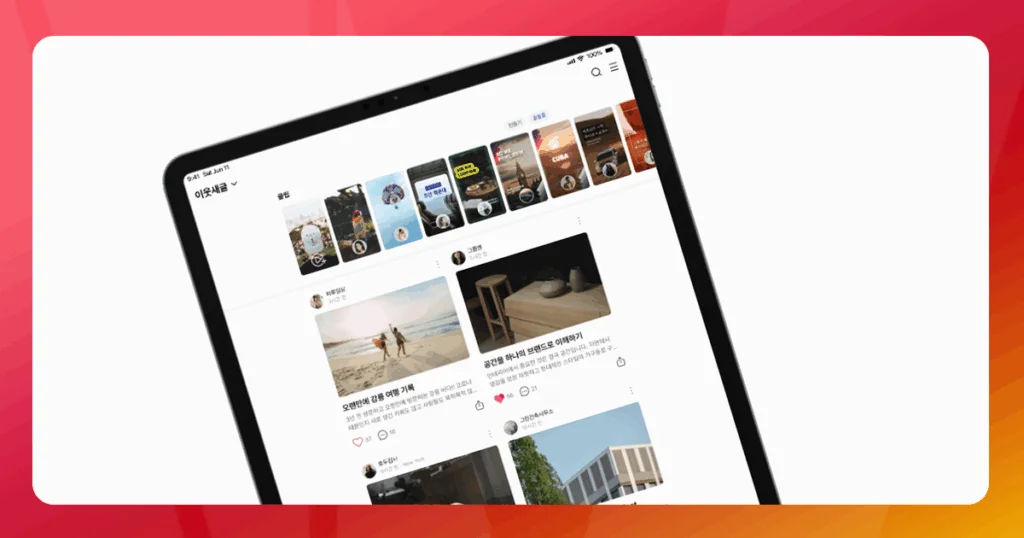
Unlike Western platforms like Google or Medium, NAVER Blog is tightly integrated with search visibility and user-generated content discovery. Because** blog posts** are indexed quickly on NAVER and often featured in real-time search rankings, publishing during peak activity windows increases your chances of being noticed, engaged, and shared. Moreover, NAVER users are highly mobile, so timing must align with commute hours, lunch breaks, and evening wind-downs. A od post at the wrong time could go unnoticed.
Naver Blog Posting Times for Engagement
Ideal Days for Publishing Naver Blog Content
- Tuesday through Thursday: These weekdays emerge as the prime periods for engagement. Mondayften witnesses a sluggish start as individuals recalibrate after the weekend, while Friday experiences a gradual decline as weekend preparations commence. Theidweek period is particularly conducive for targeting professional readers and users engaged in “search mode,” seeking specific information.
- Saturday (Morning Specific): While weekend blog readership may generally dip, Saturday mornings, specifically between 9 AM and 11 AM, still present a noteworthy engagement window. This period particularly favors lifestyle, parenting, and beauty-related content. Korean users are more likely to have leisure time and engage in casual browsing during this time.
- Discouraged Periods: Sunday and Monday: Sunday evenings and Monday mornings typically exhibit diminished interaction rates. rs are either winding down the weekend or initiating the workweek and are less inclined to bractively owse or participate in blog discussions actively.
Optimal Times to Post Naver Blog Content Throughout the Day

- Early Morning Window (6 AM to 8 AM): This period captures the attention of Korean users who promptly check their mobile devices upon waking, particularly during their commute. rt-form, visually rich content like beauty tips, motivational posts, or concise product showcases thrives in this window.
- Lunchtime Window (11:30 AM to 1:30 PM): Many individuals turn to their mobile devices for entertainment and information during the traditional Korean lunch hour around noon. s presents a highly advantageous opportunity for blog visibility, particularly for food critiques, trending topics, and news articles.
- Evening Prime Time (7 PM to 10 PM): This constitutes the prime window for blog readership. Following inner and household responsibilities, Naver users often engage in leisurely browsing. Lifestyle narratives, parenting guidance, technology reviews, and in-depth, long-form articles excel during this period.
- Avoid Posting Between 2 AM and 6 AM: While Naver’s indexing remains operational around the clock, engagement levels plummet to near zero during these wee hours, unless your content caters to a specific niche audience, such as night shift workers or dedicated gamers.
Mobile vs. Desktop User Behavior
Mobile devices form the primary avenue for accessing Naver blog content, particularly during transit and short breaks. etheless, desktop views remain significant, notably during work hours and for in-depth material.
- Mobile-Centric Peak Times:
- Morning Commutes (6 AM to 9 AM)
- Lunchtime (11:30 AM to 1:30 PM)
- Evening Leisure (7 PM to 10 PM)
- Desktop-Preferred Windows:
- Office Hours (9 AM to 11 AM)
- Mid-Afternoon (2 PM to 4 PM)
The Influence of Seasonality and Cultural Context
- Holidays and Significant National Celebrations: Publishing during pivotal Korean holidays like Seollal or Chuseok can substantially elevate visibility if the content aligns with the occasion (e.g., gift guides, holiday-themed beauty tips). ever, avoid overt promotions during days predominantly reserved for family time.
- Back-to-School and Exam Periods: These periods are conducive to disseminating educational resources, productivity advice, and parenting content.
- Korean Consumer Events: Synchronize your blog content posting schedule with major retail campaigns, such as Korean Black Friday (Korea Sale Festa) or brand-specific anniversaries, to capitalize on increased consumer activity on Naver Shopping.
Integrating Timing into Your Overall Naver Blog Strategy
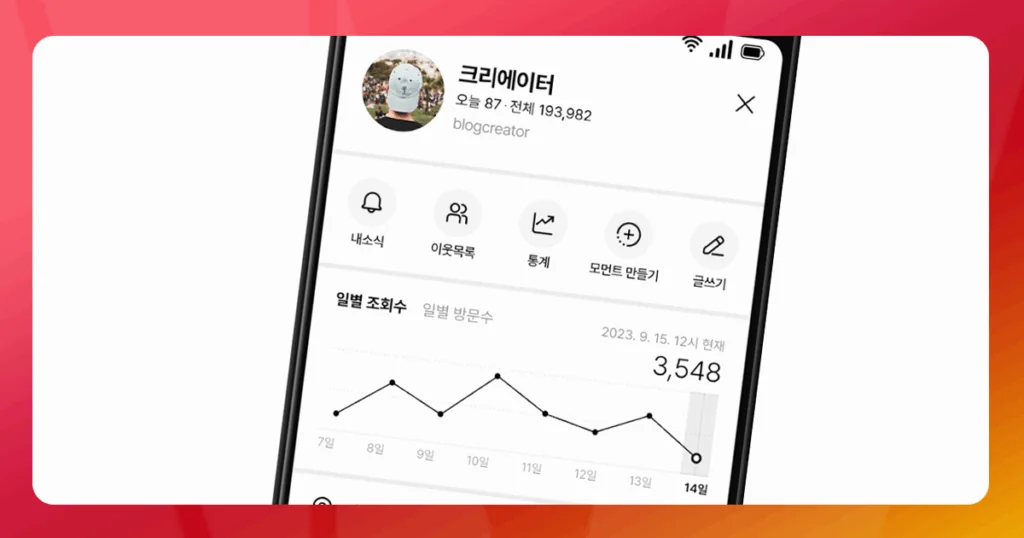
A well-defined timing strategy is crucial for optimizing your blog’s performance. ond simply creating content, understanding when to publish can significantly impact visibility, engagement, and, ultimately, your blogging goals. Here’s an in-depth look at how to integrate timing effectively into your overall strategy.
Maintain a Consistent Posting Calendar: The Foundation of Reliability
Establishing a regular publishing schedule, such as 2-3 times per week, is essential. Consistencyerves multiple purposes. Firstit signals activity to NAVER’s algorithm (or any search engine algorithm), indicating that your blog is regularly updated and relevant. Thisan positively influence search rankings. Secondand equally important, it builds reader expectation. Wheneaders know when to expect new content, they are more likely to return to your blog. Itosters a sense of anticipation and routine.
- Practical Tips:
- Plan high-quality content and map it onto a calendar.
- Use scheduling tools to automate publishing.
- Communicate your posting schedule to your audience.
Repurpose Top-Performing Posts: Leverage Success for Strategic Timing
Analyzing past performance is key to refining your timing strategy. a particular blog post garnered significant engagement when published on a Tuesday morning, this provides valuable insight. sider re-sharing this content or updating it with fresh information and republishing it at the same time slot. s tactic capitalizes on known successful timing patterns. reinforces the idea that certain times align better with your audience’s online behavior and availability.
- Practical Tips:
- Track post analytics to identify high-performing content and publication times.
- Update evergreen content to keep it relevant and repost it strategically.
- A/B test different Naver blog posting times for engagement to find optimal slots for other content types.
Monitor Competitor Behavior: Stay Informed and Adapt Strategically
Observing competitor activity can provide valuable clues about industry best practices and audience behavior within your niche. attention to when similar blogs in your field publish their updates. k for patterns and trends. s market research enables you to adapt your timing strategies to remain competitive. is essential to be aware of the current posting environment and to avoid publishing when your competitors are overwhelming the Naver search results.
- Practical Tips:
- Subscribe to competitor blogs and monitor their posting frequency.
- Analyze competitors’ social media activity to see when they are most active.
- Use competitive analysis tools to gain deeper insights into Naver SEO and other SEO strategies.
YoByonsistently applying these strategies and adapting to feedback and changes in the online landscape. , you can significantly enhance your blog’s reach, engagement, and overall effectiveness. Effectiveiming is not just about chance but strategy, observation, and continuous improvement.
Match Post Timing with Content Type
Understanding the nuanced relationship between content type and ideal naver blog posting times for engagement can significantly enhance user experience. Orn-depth content s,uch as product reviews or comprehensive service guides, scheduling for the evening hours proves more effective. ing these times, readers are generally more relaxed and have the leisure to delve into detailed information. the other hand, quick tips, daily inspirations, or brief announcements capture readers’ attention best during the morning, seeking concise, motivating content. aligning your posting schedule with the typical reader’s mindset and daily routine, you can optimize the impact of your valuable content, leading to better readership and interaction rates.
Content TypeIdeal Posting TimeReasoningIn-Depth Reviews/GuidesEvening (7 PM-10 PM)Readers are relaxed and have more time for detailed information.Quick Tips/InspirationsMorning (6 AM-8 AM)Captures the attention of users checking devices, seeking concise content before the day begins.Daily AnnouncementsMorning (6 AM-8 AM)Best when users seek brief updates before starting work/activities.Food Critiques/News CommentaryLunchtime (11:30 AM-1:30 PM)Users often browse for entertainment/info during breaks; aligns with meal times.Lifestyle NarrativesEvening (7 PM-10 PM)Preferred when users wind down and engage in leisurely browsing.Product Showcases (Short-Form)Morning (6 AM-8 AM)Visually rich, concise showcases are ideal for users quickly checking for updates.Educational ResourcesBack-to-School/Exam PeriodsTiming aligns with students’ needs and parental involvement during these specific times.Gift Guides (Holidays)Pivotal Korean HolidaysContent is relevant and appeals to shopping needs during these times.Productivity AdviceBack-to-School/Exam PeriodsUsers are more receptive to productivity tools and tips during these periods.Technology ReviewsEvening (7 PM-10 PM)Often require an in-depth understanding; users have more time for technical details in the evening.
Want Growth? Timing Alone Isn’t Enough
A consistent posting schedule is crucial for maximizing results, regardless of timing. ablish a reliable rhythm that aligns with user habits and adjusts to algorithm changes.
For sustained growth, optimize your content deployment around the most favorable days and times, but remain vigilant in monitoring and responding to the insights revealed by your analytics.
For those seeking expert guidance in managing their Naver blog strategy, Inquivix assists global brands in localizing and refining their blog calendars to resonate deeply with Korean audiences and drive significant traffic.