Why Korean Cafe Franchises Scale So Fast and Why Most Fail Within 24 Months
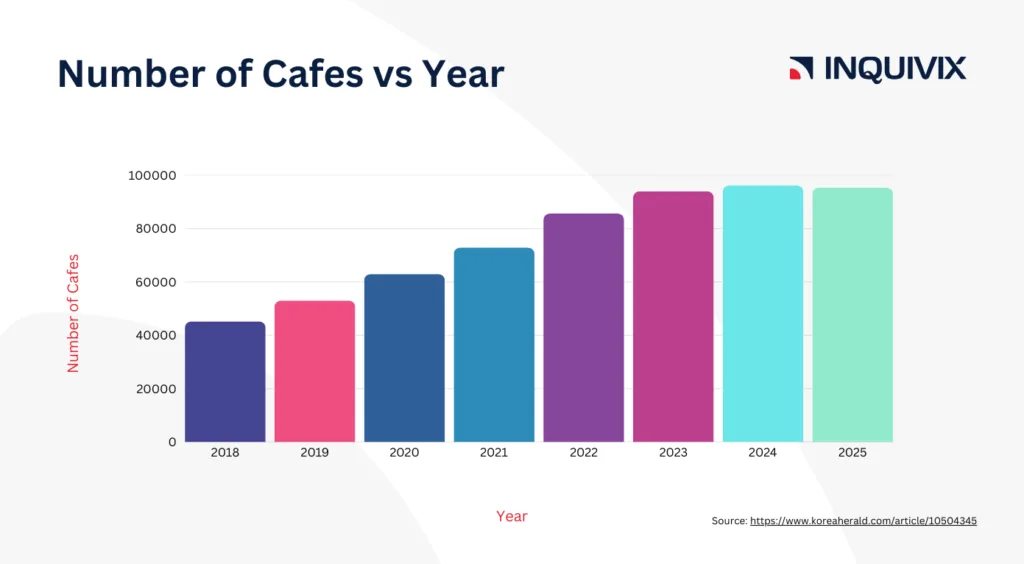
Between 2018 and 2025, the Korean cafe industry experienced unprecedented growth, with the total number of coffee shops more than doubling from approximately 45,000 to a peak of almost 100,000 outlets nationwide. This growth was fueled by a post-pandemic shift in consumer habits and a surge of small-scale entrepreneurs seeking low-barrier business entries, resulting in a market density that now exceeds 1,500 cafes per million people. Together with the rapid growth, the South Korean coffee market is defined by rapid expansion and a high structural failure rate that typically occurs within 24 months. While the Korean cafe industry growth has been historically aggressive, data from the National Tax Service (NTS) indicates the cafes that registered officially for tax purposes experienced the first decline (-1.9%) in total cafe numbers in seven years as of early 2025.
The fast scaling of a Korean cafe franchise is not necessarily an indicator of brand health. Instead, it is a byproduct of “turnkey” infrastructure, ready-made business models where the franchisor handles everything from interior construction to equipment sourcing. This system is designed for rapid setup by individuals with limited industry experience, allowing brands to launch dozens of locations in months. This cycle directly affects the viability of any Korean cafe franchise entering the market from abroad.
This report by Inquivix Digital Agency details the institutional mechanisms driving franchise saturation in Korea and the operational pressures that collapse individual units after the initial contract period. Success in this market requires navigating a landscape where a cafe business in Korea is often treated as a short-term financial asset rather than a long-term hospitality business.
The Rapid Growth of Cafe Franchises in Korea
The expansion of the Korean cafe industry is driven by a standardized business model that prioritizes speed and volume. Unlike independent businesses that require extensive planning, a Korean cafe franchise can typically open within 60 to 90 days. This is made possible through a high degree of operational standardization that allows for rapid store deployment across different regions.
This growth is not solely a response to consumer demand. Instead, it is a structured system designed to attract capital from individual investors who are looking for established business models with low entry requirements.
The Standardized Infrastructure System
In Korea, franchisors offer a complete package that covers every physical and technical requirement of the business. This ensures that stores can be opened quickly and consistently.
- Operational Training for Non-Professionals: Because the menus and supply chains are already established, the training period is short. This allows individuals with no background in food and beverage to begin operations immediately.
- Fixed Construction and Design: The franchisor manages the entire renovation process through approved contractors. This allows a cafe store to be built out in a matter of weeks, though it gives the owner no control over the construction costs or the final layout.
- Centralized Equipment Sourcing: Franchisees are required to purchase specific machinery, such as espresso machines and automated ordering kiosks, directly from the franchisor. These systems are delivered and installed in a ready-to-use state.
Capital Influx and Market Saturation
A primary driver of franchise saturation in Korea is the continuous entry of new owners into the market. Many individuals invest their personal savings or retirement funds into these franchises because the initial barriers to entry are low.
- Aggressive Territory Expansion: To increase brand presence, franchisors often open new units in close proximity to existing ones. This often leads to “cannibalization,” where several stores from the same brand compete for the same local customers.
- Competition for High-Traffic Locations: New brands often deliberately open stores directly next to established, successful competitors. While this helps them capture existing foot traffic, it creates an oversupply of options that reduces the profit margins for every store on that block.
The Cost of a Rigid System
While the standardized system allows for a fast launch, it results in a rigid business structure. Owners are often bound by strict contracts that prevent them from adjusting their menu or pricing to meet local competition. This lack of flexibility becomes a significant issue when the market shifts, contributing to the high failure rate seen after the first 24 months of operation.
Why Saturation is a Built-In Market Feature
The current state of franchise saturation Korea is a structural characteristic of the industry. Market growth is driven by the increasing density of outlets rather than the rising profitability of individual units. This creates an environment where a high volume of cafe store openings is necessary for franchisor revenue, even as the market reaches a physical limit.
The Scale of the Franchise Sector in Korea
As of 2024, the number of coffee franchise brands in South Korea has exceeded 800, managing tens of thousands of individual outlets. Unlike other markets where a few global brands dominate, the Korean market is fragmented across numerous domestic budget brands and mid-tier franchises.
- Volume of Outlets: Of the estimated 100,000 coffee shops in Korea, approximately 70% to 80% operate under a franchise model in major urban areas.
- Brand Proliferation: Leading budget franchises, such as Mega MGC Coffee and Compose Coffee, have each surpassed 2,500 locations nationwide within a short timeframe, contributing significantly to the high density of Korean cafe franchise units per square kilometer.
Store Saturation and Internal Competition
Franchisors often prioritize market share over individual store protection. This leads to specific types of saturation:
- Internal Cannibalization: Brands frequently allow new outlets to open within a short distance of existing ones. While this increases total brand visibility, it divides the existing customer base, reducing revenue for the original franchisee.
- Competitor Clustering: It is standard practice to open a new Korean cafe franchise directly adjacent to a competitor with proven foot traffic. This results in clusters where multiple competing brands operate on a single block, leading to price competition that reduces profit margins for all operators.
Revenue Models Dependent on New Openings
For many franchisors, the primary income comes from initial setup fees and supply markups rather than ongoing sales royalties. This shifts the corporate incentive toward opening new stores rather than ensuring the long-term survival of existing ones.
- Construction and Interior Profits: Franchisors generate significant one-time revenue from mandatory construction and equipment sales during the launch phase.
- Mandatory Supply Chains: Franchisees must purchase all inventory, from beans to packaging, directly from the franchisor at set prices. As local competition forces store owners to lower their retail prices, these fixed supply costs make it difficult for individual units to maintain profitability.
The 24-Month Failure Wall: Operational Pressures
In the South Korean market, the 24-month mark is a critical threshold for a Korean cafe franchise. This period usually coincides with the end of the initial equipment warranties, the first major contract renewal, and the peak of local market saturation. Business failure at this stage is rarely due to a single factor but is the result of specific operational and structural pressures that become unsustainable after the first two years.
Mandatory Interior Remodeling and Contract Terms
One of the most significant financial pressures on a cafe store owner is the mandatory remodeling clause found in many franchise agreements. To maintain a modern brand image, franchisors often require franchisees to renovate their store interiors every 24 to 36 months.
- Capital Exhaustion: These renovations are often funded entirely by the owner and must be completed by contractors approved by the franchisor. For many owners, this expense arrives just as they are beginning to recoup their initial investment, leading to a debt cycle.
- Renovate or Terminate: Failure to comply with remodeling demands can lead to contract termination. Many owners choose to close their doors at the 24-month mark rather than reinvesting significant capital into a saturated market.
Rising Supply Costs and Fixed Retail Prices
As a Korea cafe franchise matures, the gap between operational costs and revenue often narrows. Franchisees are typically locked into “exclusive supply” contracts that mandate the purchase of all raw materials from the franchisor.
- Markup Inflation: While the franchisor benefits from bulk purchasing, these savings are not always passed down to the store owner. Instead, franchisors may apply a markup to ingredients like coffee beans, milk, and syrups, which serve as a primary revenue stream for the headquarters.
- Price Stagnation: In highly saturated districts, owners are often unable to raise their prices to offset these rising costs because competitors, including other units of the same franchise, are locked into the same budget pricing model (e.g., 1,500 KRW for a large Americano).
Labor Costs and Automation Expenses
In the Korean cafe industry, automated kiosks are the primary tool for managing high labor costs and increasing the efficiency of a small-scale cafe store. According to a survey by the Korea Federation of Small and Medium Enterprises, business owners who implemented kiosks reported an average reduction of 1.2 employees per store, leading to a monthly savings of approximately 1.38 million KRW in labor expenses. Despite these savings, labor and technology maintenance remain significant financial burdens.
- Minimum Wage Impact: Annual increases in the Korean minimum wage disproportionately affect small cafe store units with thin profit margins. While kiosks reduce the total number of staff, the cost of the remaining essential labor continues to rise, making it difficult to maintain the “low-cost” pricing model central to many franchises.
- Maintenance of Automated Systems: By the 24-month mark, the initial equipment, such as kiosks, high-volume espresso machines, and ice makers, often requires expensive repairs. Without the protection of initial warranties, these maintenance costs can eliminate the store’s monthly profit.
- The “Technology Trap”: Small operators often lack the technical support found in larger corporations. When an automated kiosk or Point of Sale (POS) system fails, the resulting downtime leads to immediate revenue loss, as these stores are often no longer staffed to handle manual ordering and payments efficiently.
The “2-Year Exit” Strategy
Due to these pressures, a trend has emerged where owners intentionally plan for a “2-year exit.” Instead of aiming for long-term sustainability, they operate the store aggressively for 24 months and then attempt to sell the business (including the “premium” or Gwonri-geum) to a new, unsuspecting investor before the mandatory renovation costs or equipment failures occur.
Common Miscalculations by Foreign Businesses
For a foreigner looking to build a cafe business in Korea, entering the market involves risks that go beyond general market saturation. Many international investors apply business logic from their home countries that does not align with the unique regulatory and digital landscape of Korea. These miscalculations often accelerate the transition toward the 24-month failure wall.
Why Naver Matters More Than Google in Korea
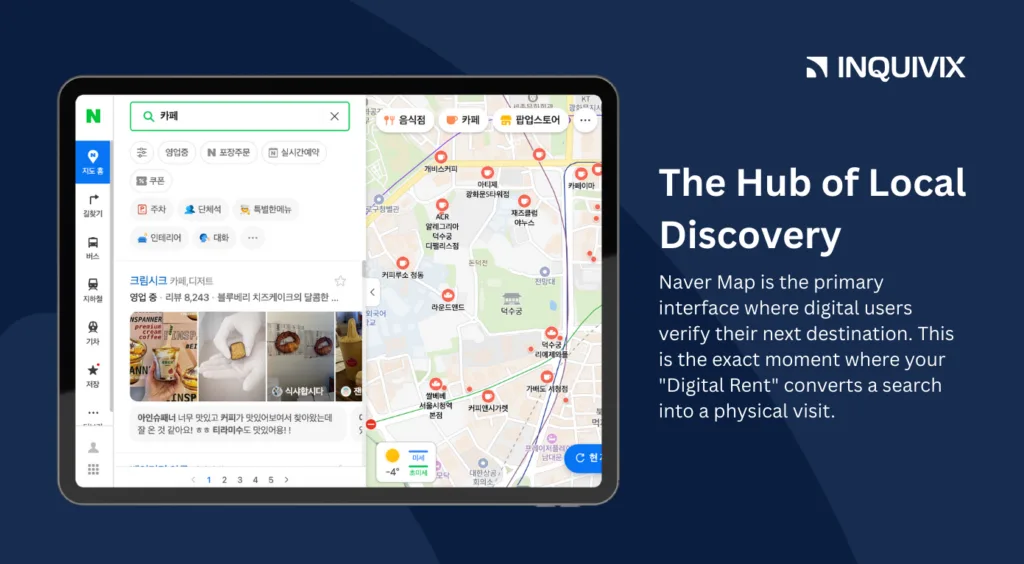
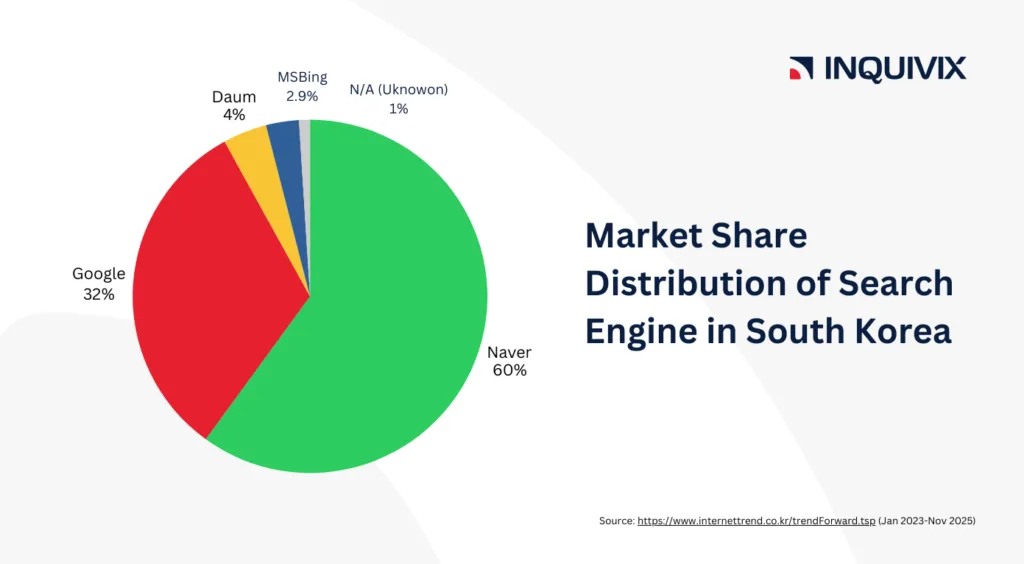
In most global markets, discovery happens on Google or Instagram. However, to sustain a cafe business in Korea, a brand must be fully integrated into the Naver ecosystem. Naver is not just a search engine; it is the primary gateway through which consumers discover, verify, and navigate to physical locations.
Naver Smart Place: The Digital Storefront
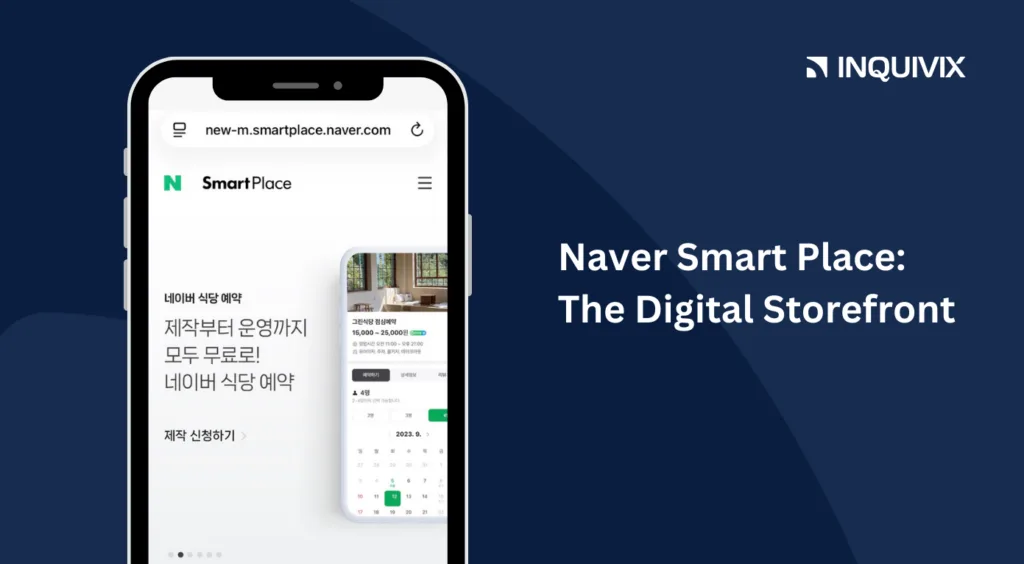
- Naver Smart Place is the most critical tool for local discovery. It functions as a combination of a business listing, a map pin, and an SEO landing page.
- Search Visibility: If a cafe store is not correctly registered with optimized keywords (such as “Good atmosphere cafe” or “Specialty coffee” in Korean), it will not appear in the “Place” results when users search on Naver Maps.
- Data Integration: A complete Smart Place profile includes business hours, menu prices, high-quality professional photos, and even links to delivery services. Foreign businesses that leave these sections incomplete or rely on auto-translations effectively remain invisible to local foot traffic.
The Review Culture: “Receipt Reviews” and Social Proof
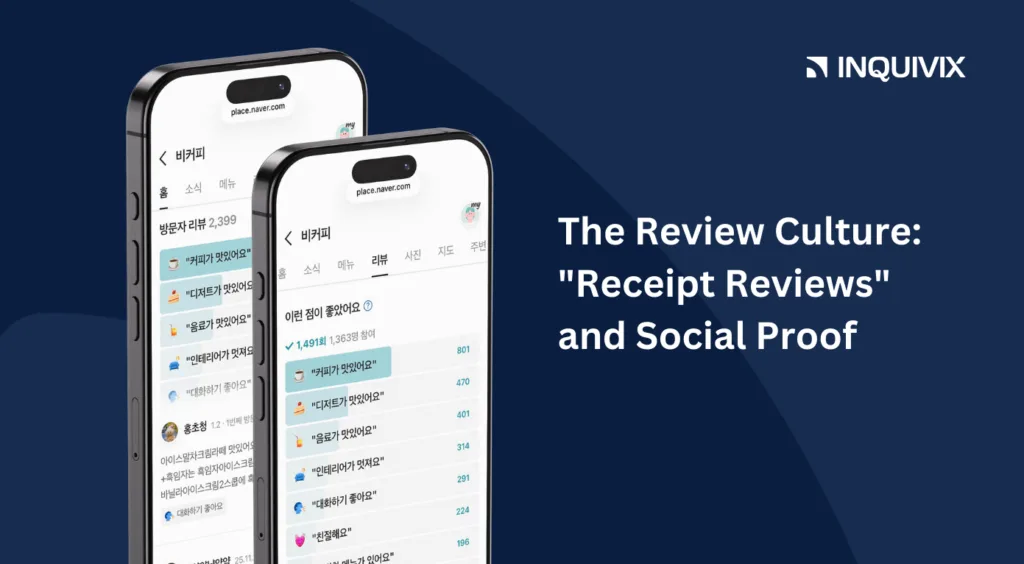
Korean consumers rely heavily on Receipt Reviews (Yeongsujeung Ribyu) for verification. Unlike other platforms where anyone can leave a comment, Naver requires users to upload a photo of their physical receipt or verify their purchase via a digital payment before leaving a review.
- Trust as Currency: Because these reviews are linked to verified transactions, they hold immense weight. A high volume of positive receipt reviews acts as “social proof” that the business is active and reliable.
- Algorithmic Impact: The Naver algorithm prioritizes stores with a steady stream of recent, verified reviews. Foreign owners who do not actively encourage guests to leave these reviews will see their ranking drop, leading to a rapid decline in new customer acquisition.
Naver Blogs and “Cafe Tours”
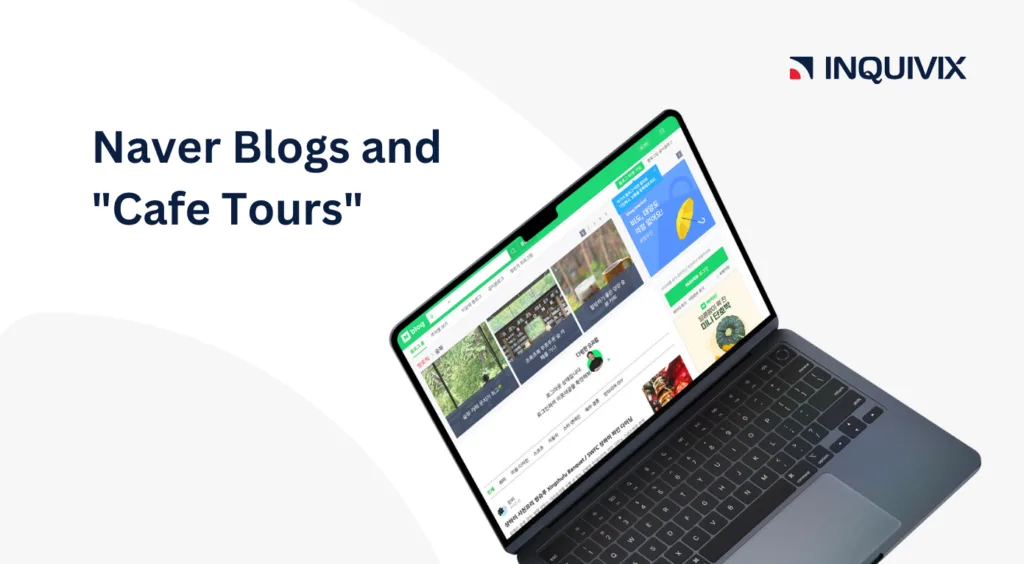
- Influencer Exclusion: foreign businesses often fail to engage with local bloggers, missing out on the “viral” momentum that can sustain a store past the initial opening hype.
- Search Intent: Without presence in the “VIEW” section (Naver’s combined blog and community results), a cafe business in Korea loses the ability to capture intentional customers who are actively planning their weekend outings.
Overestimating the Value of “Authenticity” Over Convenience
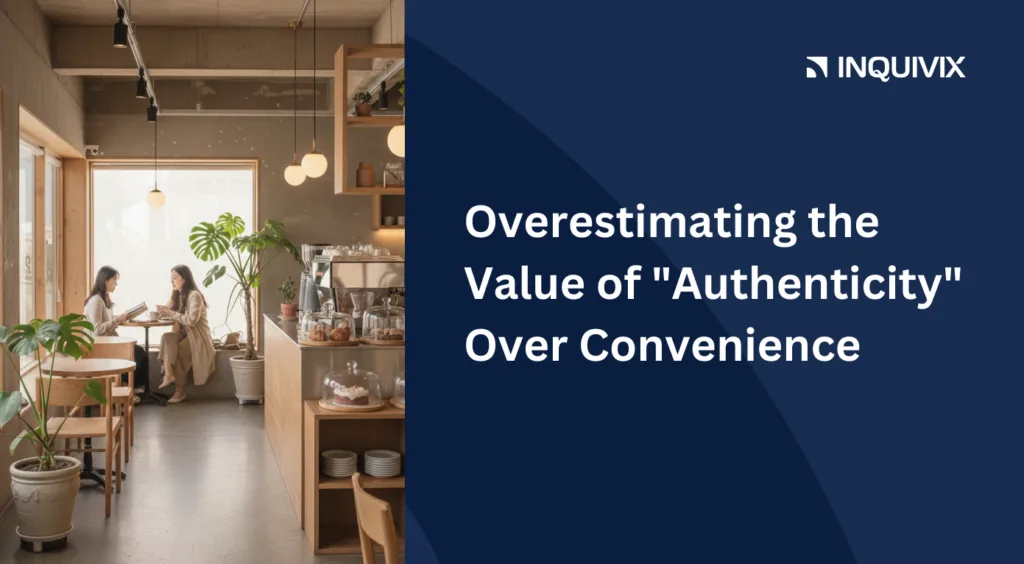
Foreign businesses often assume that offering an “authentic” international experience will be their primary competitive advantage. However, the success of a cafe business in Korea is heavily dependent on speed and visual trends.
- The Speed Requirement: In major business districts, speed of service is often more important than the origin of the beans. Foreign-owned cafes that prioritize slow, manual brewing methods often struggle to compete with the high-volume output of local franchises.
- Aesthetic Consistency: Korean consumers frequently select a cafe store based on its interior design and “Instagrammable.” Foreigners who enter the Korean market and do not account for the rapid 24-month aesthetic cycle often find their shops looking outdated compared to local competitors.
Legal and Labor Law Misunderstandings
Foreign businesses often struggle with the complexity of South Korean labor laws, which are strictly enforced and updated annually.
- Weekly Holiday Pay (Juhyu-sudang): Many foreign businesses calculate their budget based only on the hourly minimum wage. They often fail to account for mandatory weekly holiday pay for employees working more than 15 hours per week, which increases effective labor costs by approximately 20%.
- Visa and Licensing Constraints: Navigating the specific F-series or D-series visa requirements for business ownership can lead to administrative delays. These delays often consume the initial capital reserves before the cafe store even opens for business.
Why Expat Areas Limit Growth
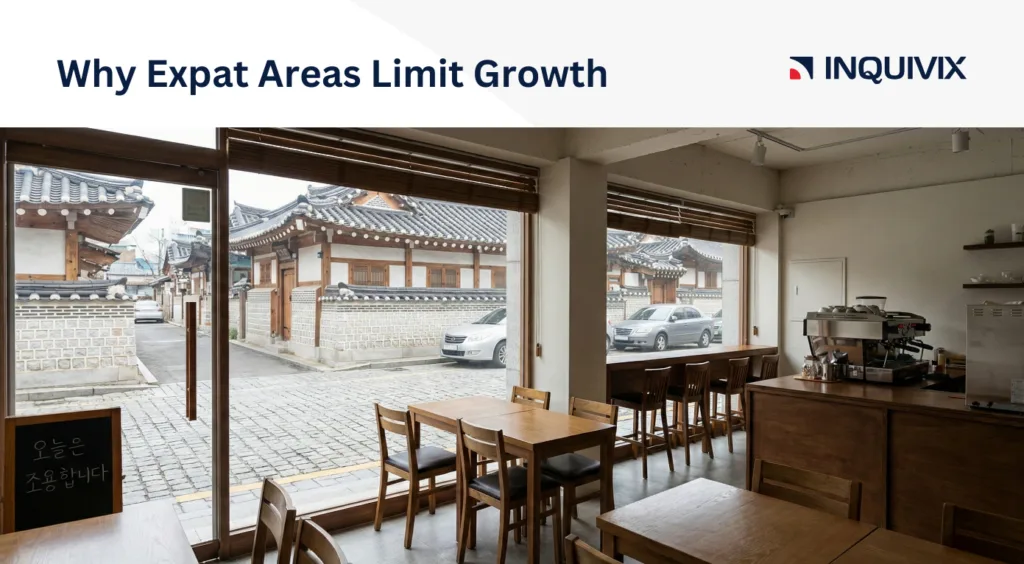
Many foreign businesses restrict their search to “expat-friendly” areas like Itaewon or Pyeongtaek. While this reduces the language barrier, it significantly limits the market size and subjects the business to higher rents.
- Niche vs. Scale: By avoiding the broader Korean-speaking market, foreign-owned cafes often fail to achieve the volume necessary to offset the high supply costs and franchise fees discussed in earlier sections.
How to Beat the 24-Month Cycle: Strategic Solutions for Foreign Businesses
To bypass the structural decline most cafe store units face after two years, foreign businesses must move beyond the basic franchise model. Survival in the cafe business in Korea requires a proactive approach to digital presence and financial planning.
Establishing Early Digital Authority
Waiting until the store opens to begin marketing is a common cause of early failure. Digital authority should be established at least 30 days before the launch.
Pre-Launch Naver SEO and Smart Place Growth
Navigating the Naver ecosystem, including Naver Smart Place, has become the definitive infrastructure for the cafe business in Korea. As of 2024, Naver Maps reached over 25 million monthly active users (MAU), making it the most-used navigation and local search app in the country. Data indicates that approximately 59% of Korean consumers use Naver for their daily searches on the internet, including when looking for local businesses before visiting in person.
- Algorithmic Indexing: Registering a cafe store on Naver Smart Place during the construction phase allows the algorithm to index the location early. This ensures that the store appears in the “New Opening” and “Around Me” search results immediately upon launch, capturing the high-intent traffic of “early adopters” who specifically seek out new cafe experiences.
- Consumer Trust Factors: According to consumer behavior surveys, Korean users trust Naver Smart Place listings more than independent websites because the platform aggregates real-time data: live traffic, busy hours, and integrated payment options. Listings with complete information, including price lists, parking availability, and high-definition “vibe” photos, have a much greater impact on a cafe business in Korea and its visibility compared to incomplete profiles.
Initial Review Seeding: The Power of Verified Proof
Encouraging Receipt Reviews from the first day of operation is critical. Unlike global platforms where reviews can be easily fabricated, Naver’s requirement for a physical or digital receipt creates a high barrier to entry that translates into high consumer trust.
- Building the Trust Score: Providing small incentives (such as a complimentary signature cookie or a 1,000 KRW discount) for verified receipt reviews helps build an immediate “Trust Score.” The Naver algorithm uses this score to rank a new cafe store against older, established competitors.
- Conversion Impact: Statistics show that businesses with at least 50 verified receipt reviews within the first month have a 40% higher retention rate of first-time visitors compared to those with no verified digital social proof.
Implementing a 36-Month Capital Buffer
Investors must account for the mandatory 24-month remodeling costs in their initial business plan.
- Renovation Sinking Fund: Setting aside a percentage of monthly revenue specifically for the “24-month wall” prevents the capital exhaustion that leads to closure when franchisors demand interior updates.
- Maintenance Beyond Warranty: Since most equipment warranties expire after one year, a dedicated budget for professional servicing of espresso machines and kiosks is necessary to prevent sudden, profit-ending repair costs in the second year.
How Inquivix Digital Agency Mitigates Entry Risk
Entering the cafe business in Korea as a foreigner involves complex digital and cultural barriers that a standard global-strategy plan cannot address. Inquivix acts as a strategic partner to bridge this gap, utilizing localized data and platform expertise to ensure long-term viability.
Full-Service Naver Ecosystem Management
Inquivix provides the technical expertise required to dominate the platforms that drive 90% of local cafe discovery.
- Smart Place Optimization: We manage everything from keyword-rich descriptions to professional photography and menu updates. By optimizing key metrics such as search visibility and consumer trust on Naver, we ensure your cafe store ranks for high-intent local searches.
- Review Generation Strategy: We implement systems to encourage organic “Receipt Reviews,” building the digital social proof necessary to rank against established competitors and increase customer acquisition.
K-Influencer and Content Marketing
We connect brands with verified Naver bloggers who specialize in the “Cafe Tour” (Kape Tou-eo) niche.
- Long-Form Viral Content: Unlike short-lived social media posts, Inquivix focuses on long-form blog content that appears in Naver’s “VIEW” section. This provides potential customers with the detailed visual and informational “tour” they require before visiting a new cafe business in Korea.
- Localized Aesthetic Standards: We adapt your brand’s visual identity to meet the specific “Instagrammable” trends of the Korean market, ensuring your store remains relevant beyond the initial launch phase.
Hyper-Local SEO & Geo-Targeting
Through our Local SEO framework, we ensure your cafe is visible exactly when and where customers are searching.
- Location-Based Visibility: We optimize your business for “near me” searches, ensuring that when a user looks for a “specialty cafe” in a specific district like Gangnam or Hongdae, your store is the first choice they see.
- Map Authority: We optimize both Kakao Maps and Naver Maps to build digital authority for your cafe business in Korea, ensuring cross-platform coverage for all local commuters.
Data-Driven Growth and Performance Marketing
By optimizing metrics on Korean search engines like Naver, specifically search visibility, consumer trust, and customer acquisition, a cafe business in Korea can thrive. This localized approach yields significantly higher conversion rates compared to businesses that strictly follow a standard global-strategy plan.
- KakaoTalk Business Integration: We help set up and manage KakaoTalk Channels to build direct loyalty programs. This allows owners to send targeted coupons and updates directly to a local subscriber base, reducing the reliance on expensive third-party delivery apps.
- Market Trend Analysis: Inquivix uses tools like Naver Data Lab to monitor shifting consumer behaviors and competitor movements, allowing for real-time adjustments to your marketing strategy before operational pressures become critical.
Turning Market Risks into Competitive Advantages
The South Korean coffee market is notoriously difficult to penetrate, defined by a 24-month failure wall and a unique digital ecosystem that operates independently of global trends. For a foreigner, success in a cafe business in Korea is not determined by the quality of the coffee alone, but by the ability to adapt to local labor laws, aesthetic cycles, and the dominant Naver infrastructure.
By moving away from a one-size-fits-all global strategy and embracing a localized, data-driven approach, international investors can mitigate the high entry risks associated with this saturated market. Establishing early digital authority through optimized Naver Smart Place listings and fostering consumer trust via verified reviews are no longer optional; they are the minimum requirements for survival.
While the “24-month wall” claims many businesses, those who prioritize local SEO, geo-targeting, and direct customer engagement through platforms like KakaoTalk can build a sustainable brand that thrives well beyond the initial hype. Partnering with experts who understand these nuances, such as Inquivix, ensures that your investment is protected by the same strategies that local leaders use to dominate the market.