Inquivix HQ
1-903, 18 Eonju-ro 146-gil,
Gangnam-gu, Seoul, Korea
06057

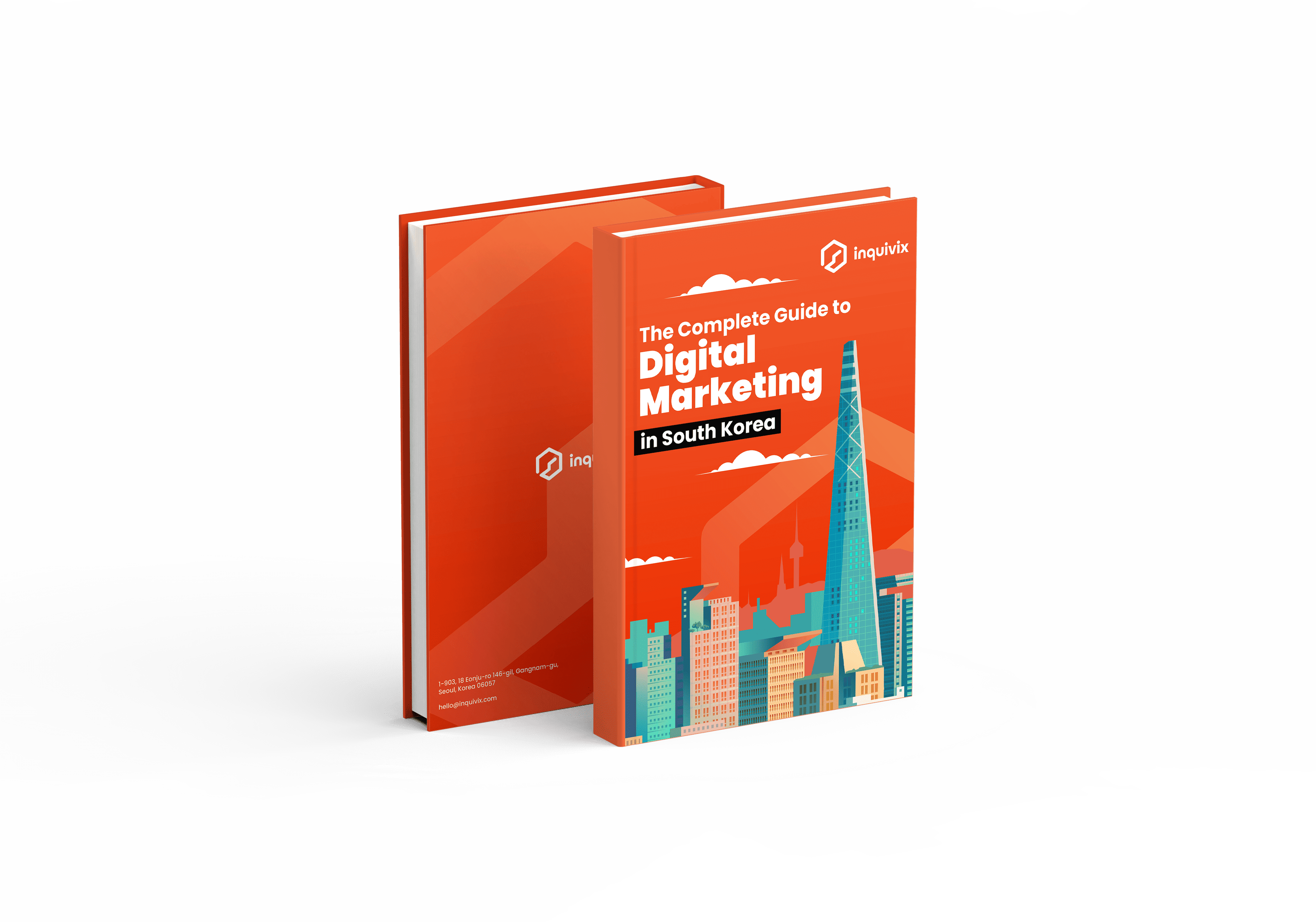
Download Your Complete Guide to Digital Marketing in South Korea E-Book FREE
Looking To Start a Digital Marketing Campaign in South Korea?
Download our ebook, “Complete Guide to Digital Marketing in South Korea,” for valuable insights on the South Korean market and strategies to consider. Our comprehensive guide includes popular social media platforms and search engine optimization insights, making it useful for beginners and those looking to improve their current efforts alike.
Why Should You Consider Doing Digital Marketing in South Korea?
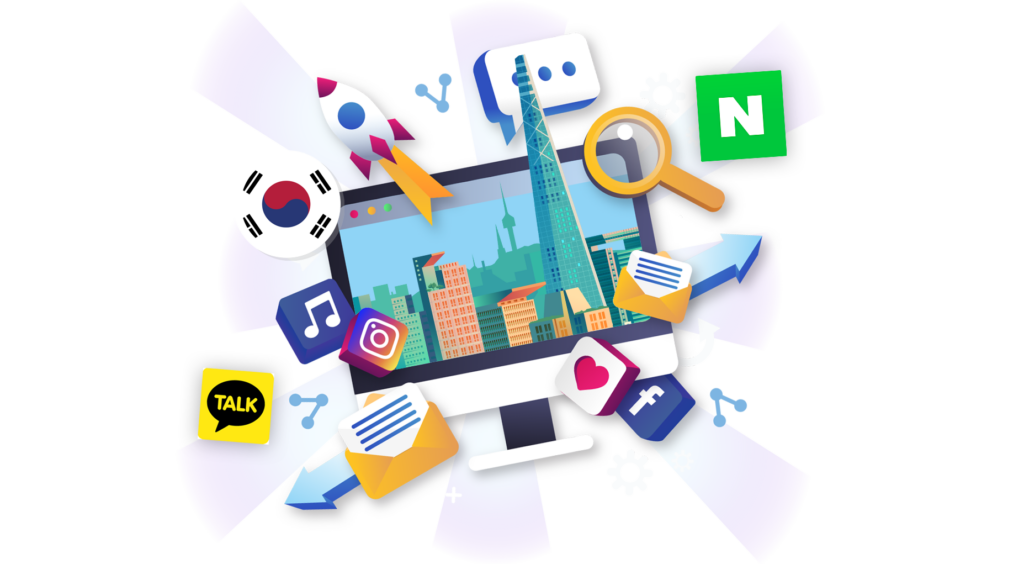
With a rich culture and a thriving economy, South Korea is home to some of the world’s most advanced digital technology and leading brands. South Korea, being one of the technologically advanced nations, has a large and affluent population, with a strong appetite for new products and services. It is a market where your business can grow with the right strategies.
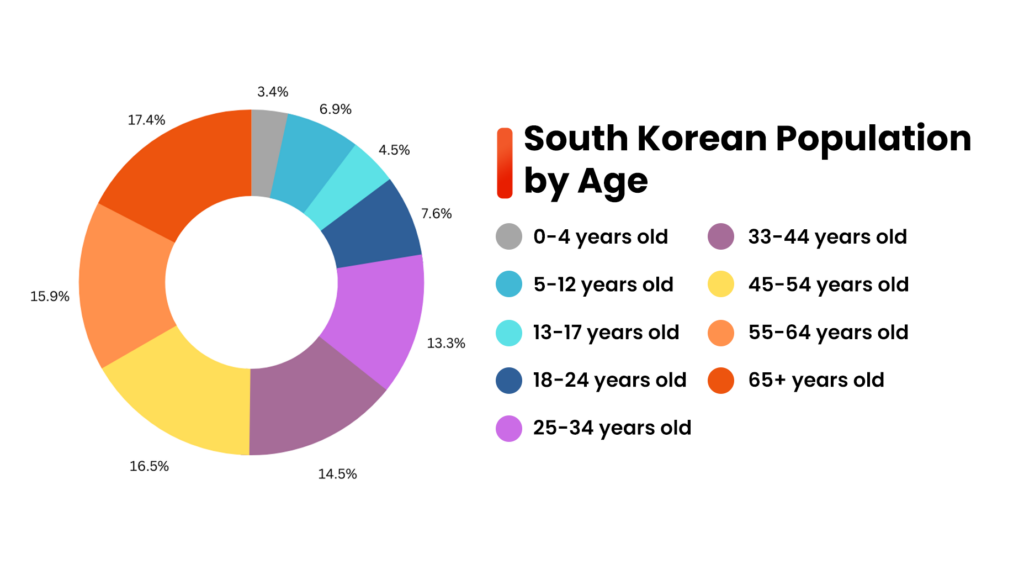
By 2022, South Korea recorded a population of over 51 million. The ratio of males to females is nearly equal at 49.8% to 50.2%. This makes South Korea an attractive market for products and services targeting both sexes. Overall literacy of the population above 15 years of age is 98% and 81.5% of the population is in urban areas, which are both important factors to consider when developing marketing campaigns.
Today, almost every South Korean (96.6%) has a smartphone with 122.6% mobile connections compared to the population. 98% of the population has access to the internet while social media usage is also through the roof, with 91.2% of the population active on them. Devices like laptops/desktops and tablets are becoming increasingly common, with 76.9% and 36.5% of the population owning one, respectively. There’s no doubt that the South Korean market is rapidly digitizing, and businesses would be wise to take notice.
South Korea has one of the highest levels of internet and smartphone penetration in the world, meaning that there is a large potential audience for online and mobile marketing campaigns. As a result, there is a significant market for businesses that can reach consumers through digital channels. This e-book provides you with information that can help you build a thorough digital marketing strategy to help your business grow in South Korea.
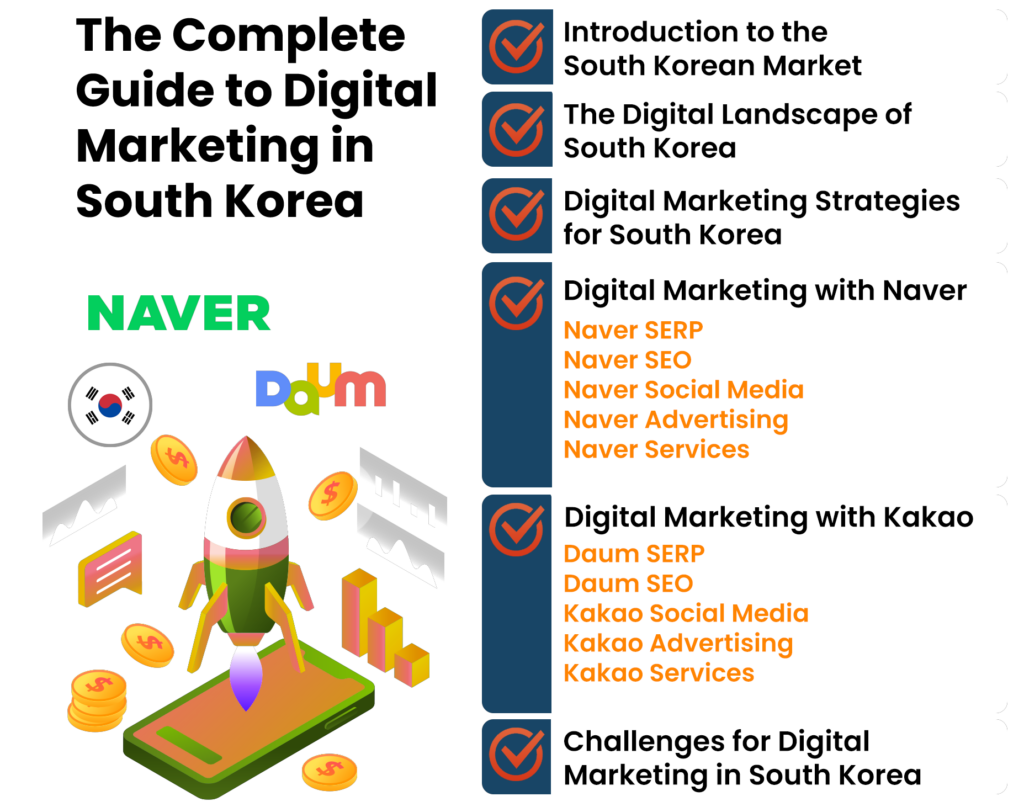
Here’s a Glimpse of What You Can Read in Our Ebook
- Introduction to the South Korean Market
- The Digital Landscape of South Korea
- Digital Marketing Strategies for South Korea
- Digital Marketing with Naver
- Naver SERP
- Naver SEO
- Naver Social Media
- Naver Advertising
- Naver Services
- Digital Marketing with Kakao
- Daum SERP
- Daum SEO
- Kakao Social Media
- Kakao Advertising
- Kakao Services
- Challenges for Digital Marketing in South Korea
Who Should Read This Guide?
If you want to reach consumers in the dynamic South Korean market, this guide offers an overview of the digital landscape with a focus on trends and opportunities. We cover the most popular platforms and channels as well as the most effective strategies. Whether you are looking to enter the Korean market for the first time, or want to recharge your existing marketing campaigns, this guide should provide you with ample knowledge and insights.
This guide is suitable for business owners, digital marketing managers, and anyone who is interested in digital marketing in Korea. We hope you find this guide useful and wish you success in your digital marketing endeavors in South Korea.
Why Digital Marketing in South Korea Is Different?
Most of you may be familiar with digital marketing. It entails aspects such as search engine marketing, SEO, social media, PPC advertising, and others. But is digital marketing in South Korea the same as in the rest of the world?
Yes and no. While the core of the strategies is the same, the approaches and nuances that are unique to South Korea have to be carefully considered. Our ebook provides guidance on adjusting your digital marketing approach in accordance with the unique characteristics of the South Korean market, in comparison to other markets.
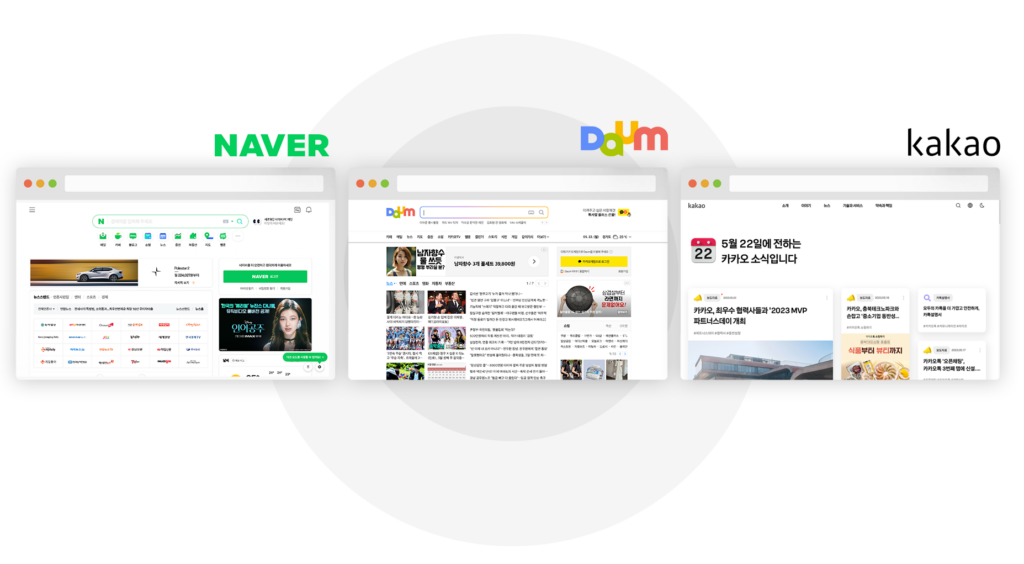
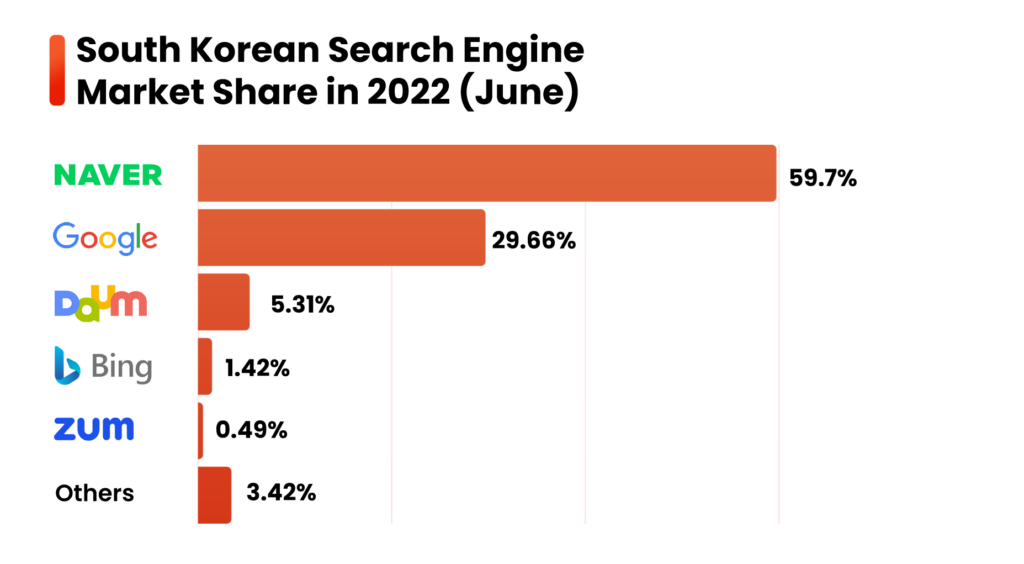
One of the key differences is that South Korea has its own set of digital platforms that are more popular than global platforms, for example, search engines. You would expect Google to be the leader in search engines because it is so in the world. However, in South Korea, it comes second to Naver, Korea’s very own search engine. According to statistical data, Naver has around 60% of the search engine market share in South Korea.
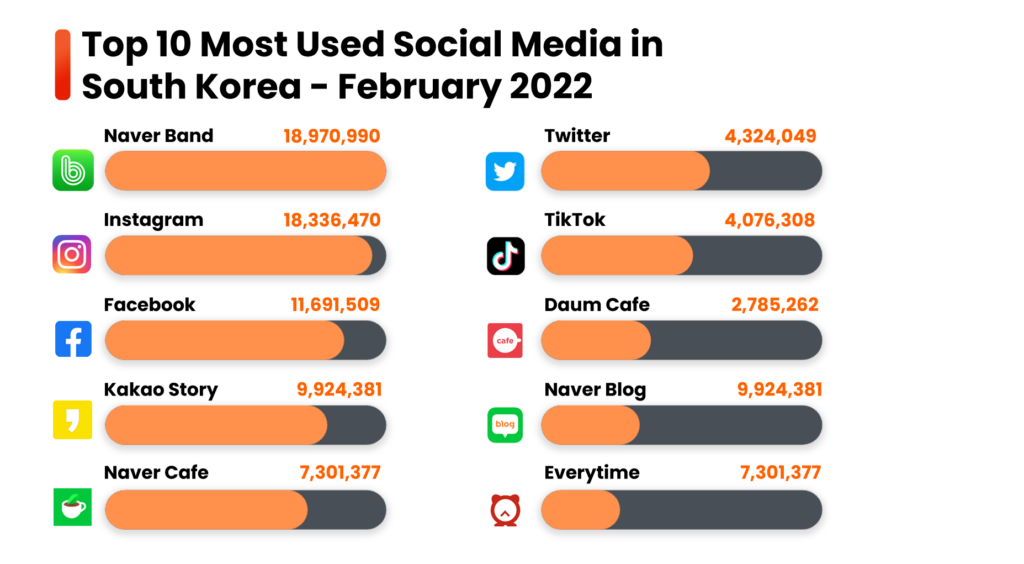
There is a similar behavior in social media as well. While some global players have been able to get a foothold, most of the local social media platforms have a bigger presence. Some of the popular local platforms, such as Naver Band, Kakao Story, Naver Cafe, etc., have millions of active social media users. To ensure that your campaigns are effective, understanding the local digital platforms and their users is essential. Our ebook provides you with insights into these topics and more to help support you in developing a successful digital marketing strategy for South Korea.
Mastering these other platforms can be time-consuming and challenging. Not to mention that they operate mainly in the Korean language which is a major challenge for foreign companies. This is where Inquivix’s expertise shows. We have knowledge and experience in all these digital platforms as well as native Korean speakers to create content. We are the go-to choice for businesses looking to enter the South Korean market.
Download Your Complete Guide to Digital Marketing in South Korea E-Book FREE
The Power of Social Media Marketing in South Korea
In South Korea, social media marketing has a strong influence on consumer behavior. Thanks to the high penetration of mobile devices and the widespread use of social networks, your business in South Korea will be able to reach a large number of potential customers at a relatively low cost.
With such a high level of social media users that do a considerable amount of online shopping, digital marketing companies use the data that can be used to accurately target customers with relevant messages. By analyzing the usage data for each platform, a business can determine which is the best route to take.
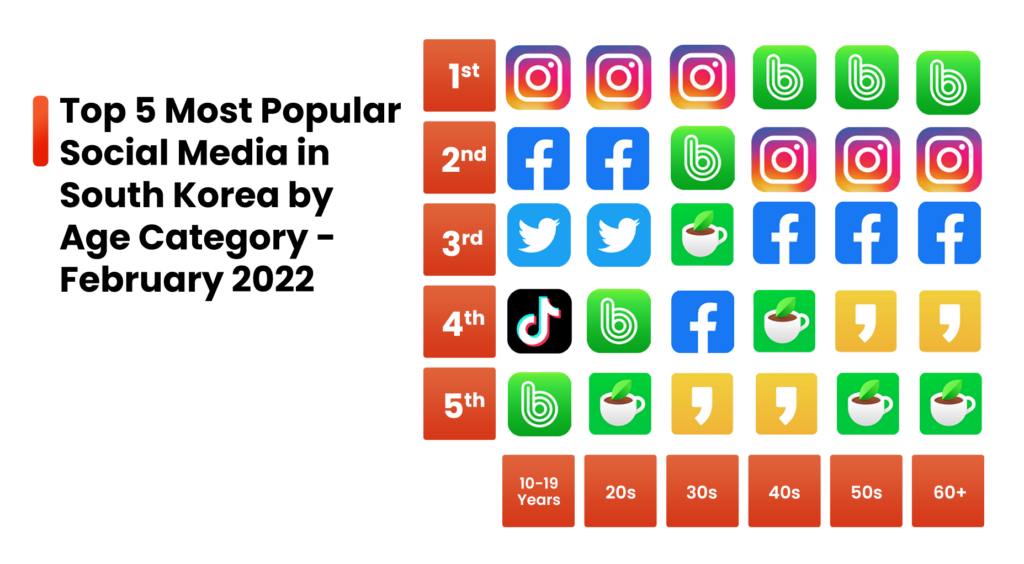
The most popular social media apps among South Korean internet users are Instagram, Naver Band, Facebook, Twitter, Naver Cafe, and KakaoStory. Platforms like Naver Band and Kakao Story are particularly popular for influencer marketing campaigns where are the spokespeople or ambassadors. This type of campaign is great for creating brand awareness as well as engagement with the target audience. In addition, platforms like Naver Cafe allow companies to create their own communities and interact directly with customers in a more intimate setting. Such campaigns can be used to maintain relationships with existing customers while also engaging potential new ones.
Download Your Complete Guide to Digital Marketing in South Korea E-Book FREE
Digital Marketing on Naver
Naver is a web portal and search engine platform that originated in South Korea in 1999. It was the first web portal in South Korea to develop and use its own search engine and is operated by the Naver Corporation. It was the first in the world to introduce a comprehensive search feature that presents search results from different categories on a single page. Naver, which started with basic features, now offers a range of new services and is the top search engine in South Korea with 1.2 billion monthly active visitors.
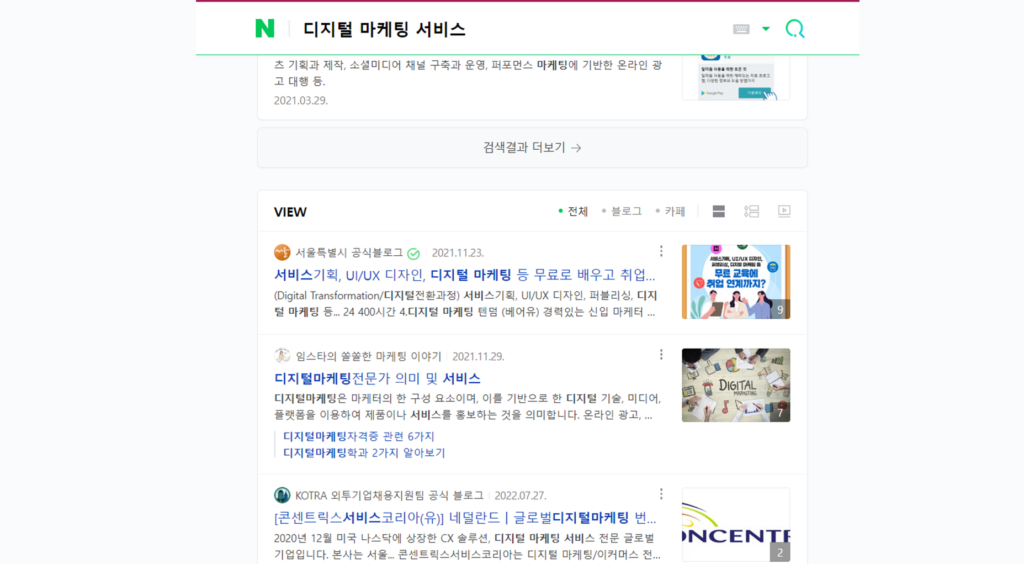
Doing SEO in Naver can help to increase your visibility, and brand awareness while generating more leads. By optimizing for Naver, you can target South Korean consumers more effectively and gain an edge over the competition. It is also important to consider local language optimization when doing SEO in Korea as most of the content on the web is in Korean.
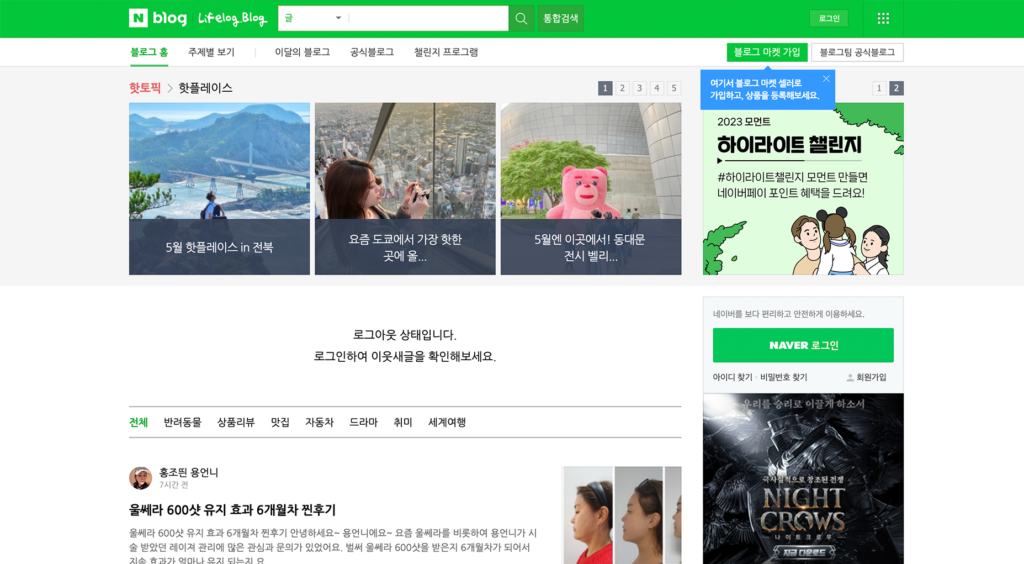
Naver Blog
Naver Blog is a must-use platform for content marketing in South Korea. Naver’s SERP also has a prominent place for Naver Blogs and it is one of the best ways to get noticed by your target audiences.
Naver Cafe
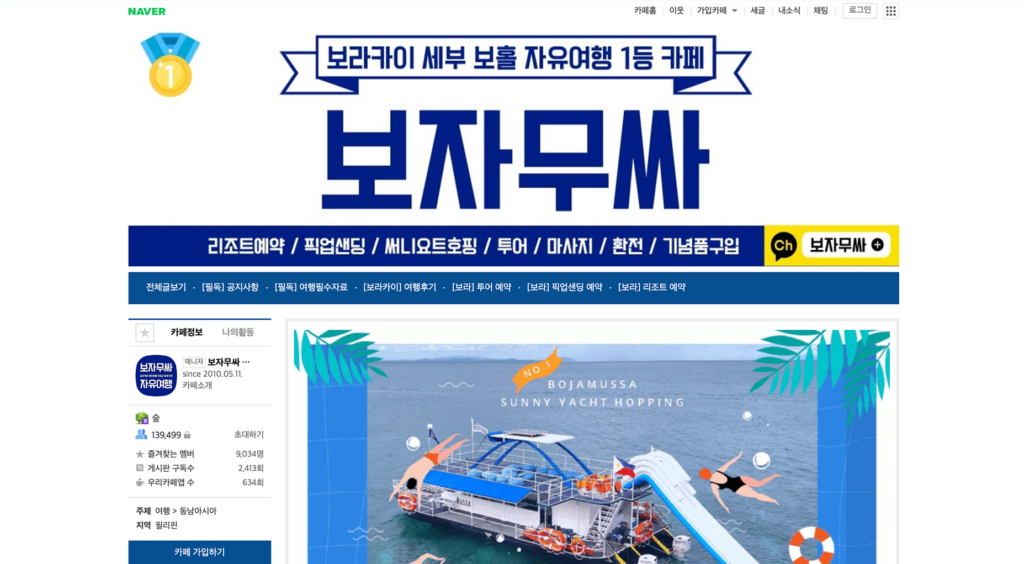
Naver Cafe is a social networking service that allows you to create and join communities based on interests. It features a variety of content including news, images, videos, and more. This digital platform is great for establishing an online presence in South Korea. You can use it to connect with potential customers, build relationships and provide them with.
Advertising on Naver
Naver offers a range of local advertising services such as Naver Ads, Naver Shopping Ads, and Naver Blog Ads. The platform also provides extensive analytics tools and the ability to target specific audiences based on location, age, gender, interests, and more. With these tools available on the platform, businesses can create highly targeted search advertising campaigns that are more likely to be successful.
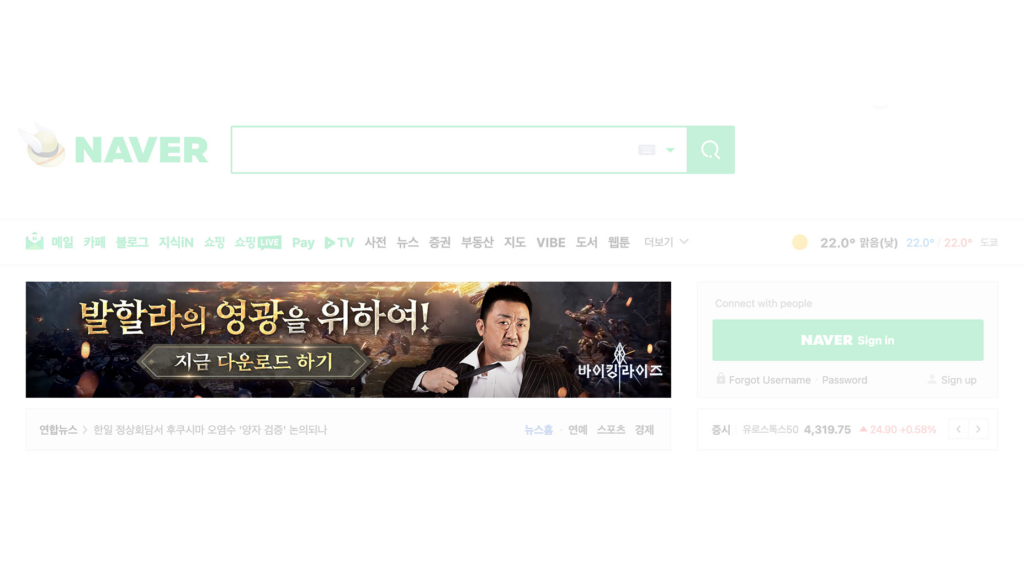
Naver GFA
Naver GFA is a Display Network designed by Naver for Display Advertising. It presents performance-based advertising on the Naver network’s main screen, feed, or mobile screen. Additionally, you can post ads on Naver’s Band network without the need for a separate Naver Band Ad Account.

Digital Marketing on Kakao
Next to Naver, Kakao is the other most popular platform in the market. Initially launched in 2010 as a messaging platform, it later introduced various products and services. After merging with Daum Communications in 2014, it was called Daum Kakao, but in 2015 it returned to its original name, Kakao. Kakao offers a range of services such as KakaoTalk, KakaoStory, KakaoTV, and more that can be used for digital marketing purposes.
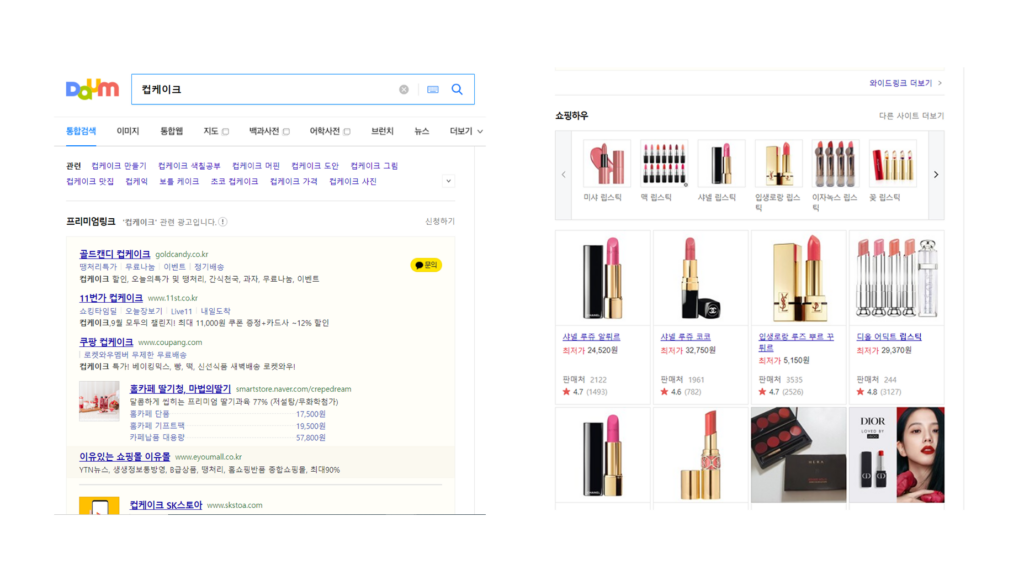
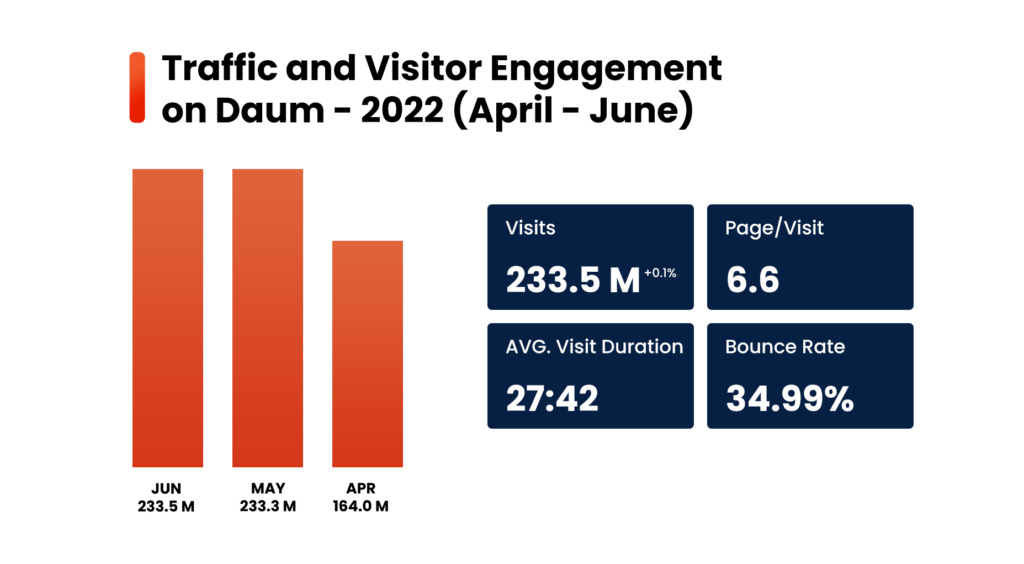
Kakao’s search engine is Daum. Although Daum is not as popular as Naver, it still generates a considerable amount of traffic which provides plenty of opportunity for businesses. With millions of monthly visitors, it is important to consider optimizing your content for the Daum platform if you want to reach South Korean users.
KakaoTalk
KakaoTalk is a great platform for connecting with customers, engaging them in conversations, and building relationships. In fact, KakaoTalk is the most popular messaging app in South Korea and almost everyone is on it. KakaoTalk also offers a great way to deliver promotional materials and discounts to your target audience. You can create custom messages, send coupons, and design engaging campaigns on this platform.
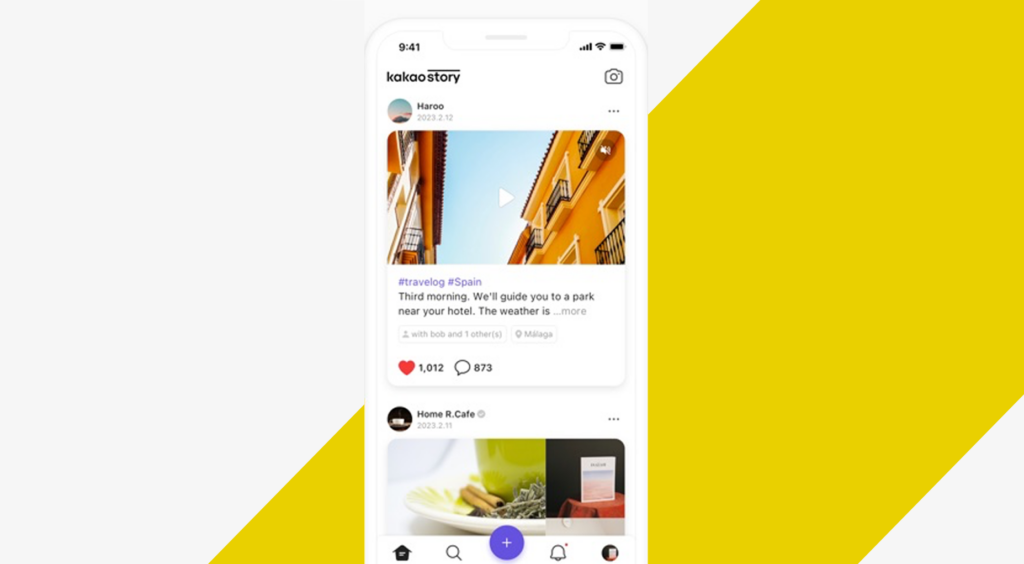
KakaoStory
KakaoStory is another popular platform that can be used to share content, images, videos, live streams, and more with your followers. It’s also possible to use advertising on KakaoStory by creating promotional material such as short video clips or graphics.
Advertising on Kakao
Kakao offers various types of ads, such as search ads, display ads, message ads, brand search ads, shopping ads, local ads, and KakaoTalk Biz Board. Different types of ads have distinct benefits and are useful in reaching specific target audiences. For instance, search ads are an effective way to connect with users looking for the products or services you provide. Display ads can help establish brand recognition and reach a large audience. Message ads are suitable for advertising promotions or sending individualized messages to customers.
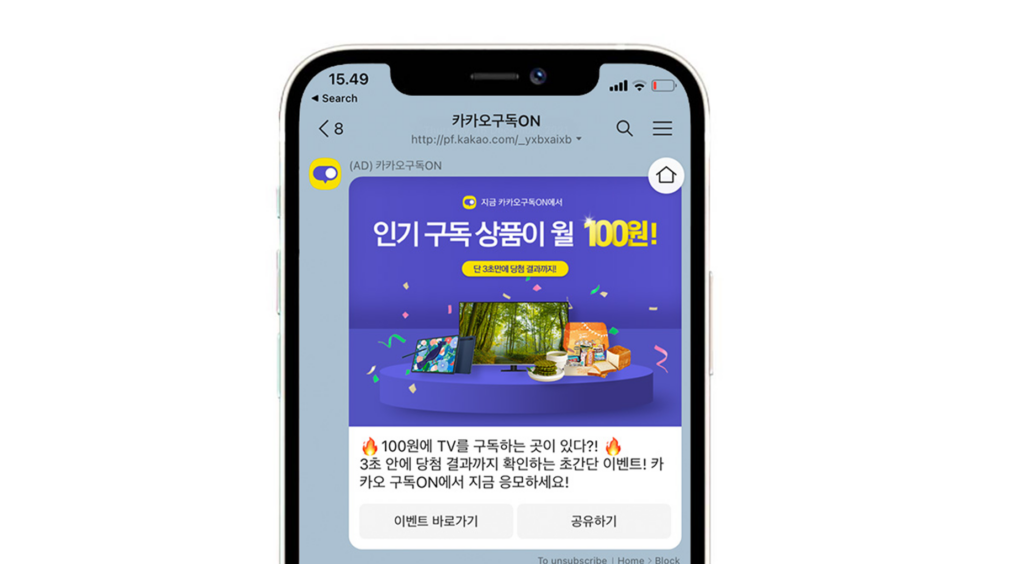
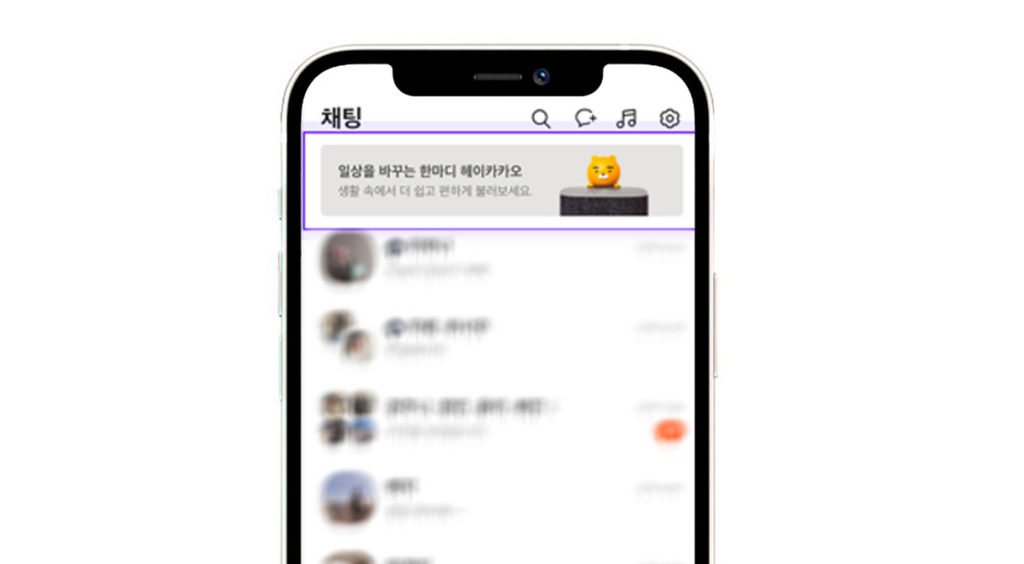
KakaoTalk Biz Board
The KakaoTalk Biz Board feature enables businesses to display ads on the top of the Chat tab. This is a highly efficient method to reach the vast user base of KakaoTalk, as research indicates that users are more inclined to engage with ads featured within the app.
Read more on our e-book.
Download Your Complete Guide to Digital Marketing in South Korea E-Book FREE
Challenges for Digital Marketing in South Korea
Breaking into the South Korean market can be challenging due to high competition and numerous obstacles. This is a well-known fact among those who have attempted to do business in the country.
Language Barrier
Targeting ads and creating content that resonates with the entire population can be difficult due to the language barrier being one of the biggest challenges. Many foreign businesses struggle to reach the South Korean audience due to this. Inquivix, with our roots in South Korea, can help you overcome this barrier easily. We have native Korean speakers to help with content creation as well as research.
Slow ROI for Korean Marketing
For businesses to see results from their social media campaigns, they should be ready to continue them for a prolonged period as it is a long-term investment. Moreover, businesses must ensure their marketing campaigns are unique and captivating to distinguish themselves from competitors in the market. This requires a lot of time and effort from your side. As experts in handling social media campaigns, Inquivix can monitor and adjust strategies and approaches while you concentrate on running your business.
Need for Specialized Knowledge
Marketing to consumers in South Korea is very challenging and constantly evolving. To succeed in this market, it is essential to have a thorough understanding of the country’s unique social and cultural norms. What may work in other countries may not be effective in South Korea, and even established digital marketing strategies may become outdated quickly. So, hiring an expert in the field is an investment that will give your business long-term results.
Time-Consuming
Digital marketing while being more convenient and efficient than traditional marketing, still needs careful research and strategizing. Understanding your target audience and their behavior, social media trends, search engine algorithm changes, and building a strong digital presence requires a lot of time. Getting the help of digital marketing agencies can reduce your load and speed up the process with their expertise.
Why Should You Hire an Experienced Agency for Digital Marketing in South Korea?
South Korea has a very mature digital marketing landscape and there are plenty of opportunities for businesses to reach their target audience. It is important to consider all the platforms available in order to create an effective digital marketing strategy that can help you reach your goals. While it has plenty of opportunities, the South Korean market has many challenges.
Iquivix is the best partner to help you navigate these challenges and maximize your ROI. We are headquartered in Seoul, South Korea. Our team of experienced professionals is well-versed in the Korean market. We have vast experience in developing successful digital strategies for businesses of all sizes, and we are confident that our expertise can help you reach your marketing goals. Contact us today to learn more about how we can assist you in your digital marketing endeavors!
Learn everything you need to enter the Korean market successfully with our Complete Guide to Digital Marketing in South Korea Ebook!
Download Your Complete Guide to Digital Marketing in South Korea E-Book FREE
FAQs
Is Digital Marketing in South Korea Worth It?
Definitely! South Korea has the fastest internet speeds globally, and its population has one of the highest internet penetration rates. Moreover, it is the most WIFI-connected country. When you couple this with the fact that over 90% of the population shops online, it makes South Korea a potentially lucrative market for any enterprise.
Why Should a Business Expand Its Operations to South Korea?
South Korea has one of the largest economies in Asia and is becoming increasingly attractive to foreign businesses as it continues to open its borders. Its advantageous tax rates and regulations make it ideal for businesses looking to scale up their operations. In addition, South Korea offers access to a vast consumer market with a high disposable income. With the right approach and strategy, businesses can tap into this population of tech-savvy South Koreans who are willing to spend.