Understanding Korean Consumer Behavior on Social Media
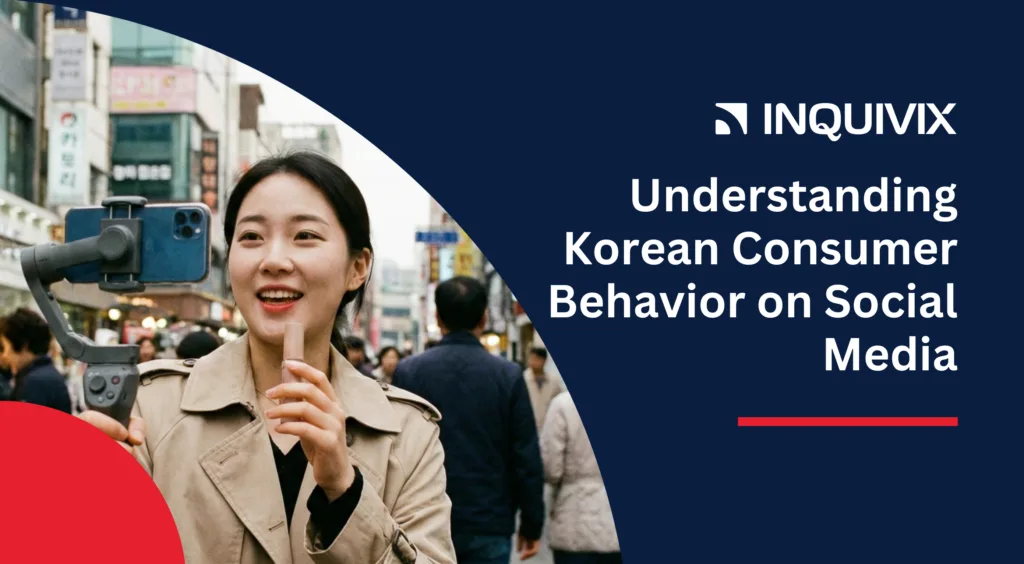
South Korea is one of the most digitally connected nations in the world. In this vibrant market, social media does more than just influence conversations. It actively shapes consumer decisions. Understanding Korean consumer behavior on social media is crucial for any brand hoping to succeed in this fast-evolving environment.
From discovering new products on Instagram and Naver Blogs to purchasing directly through KakaoTalk, Korean consumers seamlessly integrate online interactions into their daily lives. Trends, peer recommendations, and authentic storytelling drive their purchasing journey. For foreign businesses and local brands alike, decoding these behaviors offers the key to building trust and long-term brand loyalty in the competitive digital landscape in Korea.
Why Understanding Korean Consumers Matters

South Korea is a powerhouse of digital innovation and cultural influence. With over 90% of the population active on social platforms, Koreans are among the most connected and trend-responsive consumers globally. For brands, whether they are foreign companies entering the market or local businesses seeking to expand, understanding how Korean consumers think and make decisions online is essential.
Korean consumers are discerning and deeply engaged in the digital ecosystem. They do not just consume content. Instead, they actively shape Korean social media trends and expect brands to provide authentic experiences. Purchasing decisions are often influenced by social proof and influencer endorsements rather than direct advertising. This behavior highlights the importance of trust and credibility when performing social media marketing in Korea.
The digital landscape in Korea operates differently from Western markets. Platforms like Naver and KakaoTalk coexist alongside global giants such as Instagram and YouTube. Consumers here rely on localized services for everything from searching for product information to completing purchases.
A campaign that works well on Facebook in Western markets might fail in Korea without the proper adaptation. By understanding Korean consumer insights, brands can craft content that resonates culturally and emotionally.
The Korean Social Media Landscape
The social media ecosystem in South Korea is unlike any other. With one of the highest internet penetration rates globally, social platforms play an integral role in daily life. Understanding this landscape is vital for brands aiming to connect authentically with Korean audiences. From discovering products to sharing reviews, social media drives nearly every stage of the consumer journey.
When analyzing Korean social media trends, it is clear that the market is fast-moving and highly visual. Korean users value platforms that combine entertainment and e-commerce in one seamless experience. Whether through influencer-driven campaigns or interactive shopping features, brands must learn to navigate these digital touchpoints effectively.
Dominant Platforms and Their Roles
Unlike Western markets dominated by a few giants, Korea has a robust ecosystem of homegrown platforms.
- Naver: Often called the Google of Korea, Naver serves as a central hub for content discovery and product reviews. Brands use Naver Blog SEO to reach consumers directly through organic search results.
- KakaoTalk: Beyond messaging, KakaoTalk integrates payments and shopping. KakaoTalk marketing is an essential platform for conversational marketing and community building.
- Instagram and YouTube: These global platforms dominate visual storytelling. Korean users turn to Instagram for trend discovery and YouTube for long-form product reviews and vlogs.
- TikTok: Popular among Gen Z audiences, TikTok fuels short-form video content and viral product discovery.
Each of these platforms caters to different stages of consumer engagement. This allows brands to create multi-channel strategies that align with distinct audience behaviors.
Platform Demographics and Usage Trends
Korean social media trends evolve rapidly. Naver attracts users aged 25 to 44 who rely on detailed reviews before purchasing. KakaoTalk boasts nearly universal usage across all demographics. Instagram has become a hub for millennials and Gen Z who seek inspiration and aesthetics. YouTube spans all age groups with a strong preference for tutorials and unboxing videos.
Mobile-first behavior defines Korean consumers. Nearly 95% of users access social media primarily through smartphones. Features like livestream shopping and AI-driven recommendations are shaping how users interact with brands. For marketers, this means staying agile and data-driven. Understanding where audiences spend their time allows brands to optimize ad performance and build lasting connections.
Core Traits of Korean Consumer Behavior on Social Media
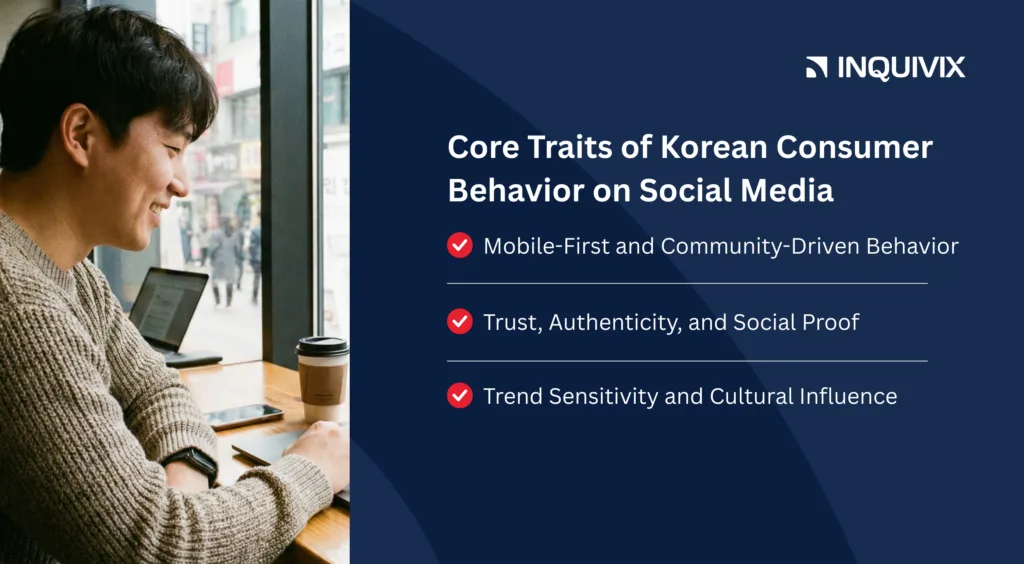
To effectively reach audiences in Korea, brands must understand the distinct mindset that drives Korean consumer behavior on social media. Korean users are active participants who value authenticity and social validation. Their digital interactions are deeply tied to culture and community. By examining Korean consumer insights, brands can uncover what motivates online engagement.
Mobile-First and Community-Driven Behavior
Korean consumers are among the most mobile-savvy users in the world. Nearly every aspect of their online journey happens through mobile apps. This mobile-first lifestyle encourages quick decision-making and real-time interactions. Consumers expect convenience and instant communication with brands.
Beyond convenience, community plays a crucial role. Koreans prefer social platforms where they can connect and share opinions. Platforms like KakaoTalk open chatrooms or Naver Cafes serve as community spaces for sharing experiences. Brands that foster these digital communities can build trust and advocacy.
Trust, Authenticity, and Social Proof
One of the strongest Korean consumer insights is the importance of trust. Koreans rarely buy products without consulting peer reviews or influencer recommendations. Word-of-mouth has a profound influence on purchasing decisions. Instead of flashy advertisements, consumers gravitate toward authentic storytelling and transparent brand values.
This emphasis on social proof is why influencer marketing in Korea performs exceptionally well. Consumers seek validation from trusted figures. A brand reputation can rise or fall based on how it is perceived across online communities. Credibility is one of the most valuable marketing assets in the Korean digital ecosystem.
Trend Sensitivity and Cultural Influence
Korean consumers are highly responsive to trends. Pop culture and K-beauty innovations often dictate what is popular at any given time. A viral product on TikTok can instantly trigger a nationwide buying wave. However, trend sensitivity also means that consumers expect brands to stay relevant and adaptive.
Campaigns that tap into current lifestyle shifts can resonate deeply. At the same time, consistency is key. Consumers quickly disengage from brands that appear to chase trends without a genuine connection. By blending cultural awareness with real-time engagement, brands can position themselves as part of the social fabric.
How Korean Consumers Engage and Decide Online
The purchase journey for Korean consumers unfolds almost entirely online. They research and compare products across multiple social platforms before making a decision. Understanding how Koreans engage online is critical for brands looking to create effective social media marketing in Korea.
The Multi-Platform Buyer Journey
In Korea, the buyer journey typically begins on social media or through Naver search results. A user might discover a product on Instagram, research it through Naver Blog reviews, and then make the purchase through Naver Smart Store. Each step involves validation. Korean consumers seek reassurance from other users before committing to a purchase.
Awareness is often driven by short-form video content. During the consideration stage, detailed blog posts and YouTube reviews play a significant role. Finally, when consumers reach the purchase stage, convenience matters most. Payment systems like Kakao Pay simplify the process.
Content Preferences and Engagement Styles
Korean consumers are drawn to content that feels authentic and visually engaging. Short-form videos and livestreams are among the most effective ways to capture attention. Platforms like YouTube Shorts and Instagram Reels align with the fast-paced culture in Korea.
Educational content also performs well, especially when it delivers value through tutorials or product demos. These formats help consumers make informed decisions while reinforcing brand authority. Unlike Western audiences who may respond to direct calls to action, Korean users prefer social validation and peer-driven influence.
Social Commerce and Integrated Shopping
One of the defining features of Korean digital culture is social commerce in South Korea. This is the seamless blend of social networking and online shopping. Platforms like KakaoTalk and Naver Shopping Live have revolutionized e-commerce by embedding shopping experiences directly within social apps.
Live commerce has become a cornerstone of Korean consumer behavior on social media. It combines entertainment and real-time engagement. Viewers can ask questions and receive discounts during streams. This creates a highly interactive experience that drives impulse buys and fosters brand loyalty. Brands that leverage this interconnected ecosystem can guide consumers through each decision point effectively.
Strategies to Reach and Influence Korean Audiences
Succeeding in the competitive market of South Korea requires more than just visibility. It demands cultural understanding and platform-specific expertise. Traditional marketing tactics often fall short with this discerning audience. To engage them, brands must craft data-driven and culturally resonant campaigns.
Localize with Cultural Sensitivity
Localization in Korea goes far beyond simple translation. It is about cultural adaptation. Korean audiences respond strongly to content that reflects their language nuances and values. Visual presentation and tone carry significant meaning. For example, polite phrasing often resonates well, while overtly aggressive marketing may be perceived as insincere.
To connect authentically, brands should adapt their storytelling to align with Korean lifestyles. Campaigns that reflect community values or incorporate local pop-culture references tend to perform well. The key is to show respect for the cultural context. Localization also applies to search strategies. Marketers should optimize for Naver and integrate content through Naver Blog SEO to maximize exposure.
Leverage Influencer Marketing and Social Proof
Influencers are central to social media marketing in Korea. Consumers rely heavily on peer recommendations, and influencers act as trusted intermediaries. Collaborating with the right creators can significantly amplify brand credibility. Authenticity is crucial here. Korean audiences can easily distinguish between paid sponsorships and genuine endorsements.
Brands should focus on partnerships that feel organic. Providing influencers with creative freedom to share personal experiences can generate more trust. Micro-influencers play a decisive role in the social landscape. With highly engaged niche communities, they drive strong conversions. Incorporating influencer-led storytelling can strengthen your brand reputation.
Master Platform-Specific Tactics
Every major Korean platform has its own ecosystem. Understanding how to tailor your message is essential for success.
- Naver: Prioritize long-form content through blogs and reviews. Use SEO strategies to rank for keywords.
- KakaoTalk: Utilize KakaoTalk channels for personalized brand communication and customer engagement.
- Instagram: Focus on visually appealing and trend-driven content. Use local hashtags to boost engagement.
- YouTube: Invest in storytelling and tutorials. Koreans use YouTube as both an entertainment platform and a research tool.
- TikTok: Engage younger demographics with creative content that aligns with viral challenges.
A multi-platform strategy ensures visibility throughout the entire consumer journey.
Combine Data with Emotional Storytelling
Data is the backbone of digital success in Korea. Using analytics from Naver and Kakao can help identify audience preferences. These insights enable brands to fine-tune their messaging for maximum impact. While data reveals what audiences respond to, emotion determines why they react.
Korean consumers value empathy and shared experiences. Campaigns that blend personalization with heartfelt storytelling often outperform purely promotional content. Highlighting user journeys or community stories can strengthen emotional connections and encourage long-term loyalty.
Common Mistakes Foreign Brands Make
Entering the Korean market presents a steep learning curve. Many global companies underestimate how different Korean consumers are from those in other markets. Recognizing and avoiding common pitfalls is crucial for success.
Ignoring Cultural Nuance
One of the most significant mistakes is assuming that what works globally will work in Korea. The market is shaped by national pride and cultural nuance. Campaigns that fail to localize properly risk alienating potential customers. For example, inappropriate humor or Western-centric storytelling can come across as disrespectful. To resonate, brands should use polite forms of address and culturally aligned visuals.
Overlooking Naver
Another common oversight is relying solely on global platforms like Google or Facebook. While these are influential, Naver holds a massive share of search traffic. Many brands neglect to optimize for the Naver ecosystem and miss out on essential visibility. Without a strong Naver presence, foreign brands often struggle to gain trust or organic exposure.
Underestimating Social Proof
Korean consumers rely on peer recommendations. Many foreign brands make the mistake of emphasizing brand authority over customer voices. In Korea, user-generated content and influencer reviews are far more persuasive than corporate messaging. A lack of localized testimonials can make a brand appear out of touch.
Failing to Adapt Communication Styles
In Korea, communication is expected to be fast and polite. Foreign brands that do not adapt to this standard often frustrate consumers. Providing customer service in Korean and using respectful language demonstrates professionalism. Brands should also be aware that customers frequently share their experiences on social media. A single poor interaction can quickly become public.
Ignoring Social Commerce
Korea is a mobile-first country. Yet, many brands still design campaigns optimized for desktop. Ignoring social commerce in South Korea is a missed opportunity. Consumers prefer platforms where they can watch demos and purchase instantly within one interface. To succeed, brands must prioritize mobile optimization and local payment systems.