Daum, Naver, Kakao: How Korean Search Engines Work
The South Korean search engines landscape represents one of the most hyper connected and technologically advanced ecosystems in the modern world. By the beginning of 2026, the nation has maintained an internet penetration rate of approximately 98%, which effectively means that nearly every citizen is an active participant in the digital economy.
This connectivity is supported by an infrastructure that was among the first to roll out nationwide 5G services, providing the bandwidth necessary for high density video consumption and real time social interactions. For any brand seeking to establish brand awareness, understanding that Korea is a mobile first nation is the primary requirement. Mobile connections actually exceed the total population at 118%, indicating a deep reliance on multiple devices for personal and professional use.
The evolution of digital marketing in Korea is inseparable from the nation’s rapid industrialization and its focus on technological innovation. Global leaders such as Samsung and LG provided the hardware for this revolution and fostered a culture that rewards speed and digital efficiency.
This cultural context is vital for international firms to grasp, as Korean consumers live within an integrated digital environment where the boundaries between online and offline reality are increasingly blurred. This environment creates unique challenges for traditional search engine optimization, as the local market is dominated by domestic platforms that prioritize internal ecosystems over the open web. For specialized insights, explore professional search engine optimization strategies tailored for these conditions.
Historical Evolution and the Hallyu Effect
The transition of South Korea from a war torn society to a 1.8 trillion USD global economy is a testament to strategic economic planning. This history instilled a collective sense of pride in domestic achievements, which extends to the digital realm through the preference for home grown search engines and messaging apps.
The global phenomenon known as Hallyu or the Korean Wave has further amplified digital growth, as K-pop and fashion create massive demand for localized content. Brands that leverage this cultural capital in their KOL marketing strategies build trust more quickly with a target audience that values social proof and celebrity endorsements.
In 2026, the influence of Hallyu serves as a primary driver for South Korean e-commerce. The global visibility of Korean lifestyle trends created a feedback loop where domestic consumers are exposed to new products through social commerce and live streaming.
This high trust environment means consumers conduct extensive research on platforms like the Naver Blog before making any significant purchase. Understanding the historical trajectory of this market helps brands realize they are entering a sophisticated digital culture that requires more than simple translation. It requires total immersion in the local digital vernacular to achieve sustainable conversion rates.
Architectural Analysis of the Naver Portal
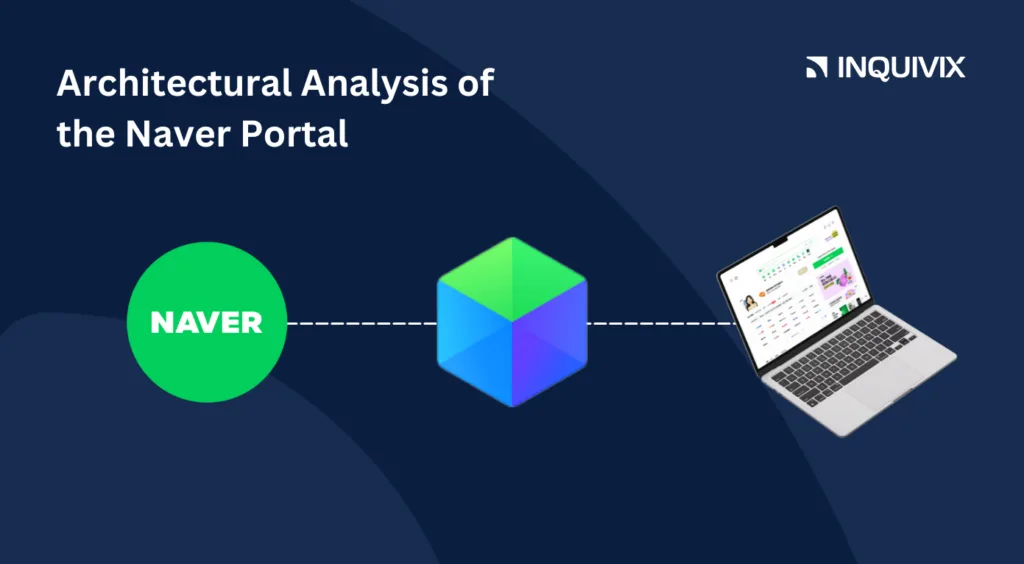
Naver is often described as the Google of South Korea, yet this comparison fails to capture the portal’s integrated nature. Founded in 1999, Naver developed into a vertical ecosystem that combines search, news, community forums, and e commerce into a single interface.
Unlike the minimalist search experience offered by global engines, Naver provides a curated journey that prioritizes its own content properties. The Search Engine Results Page is modular, meaning the layout changes dynamically based on the inferred user intent of the searcher. If a user searches for a product, the e-commerce and review sections dominate the top of the page, pushing traditional web results toward the bottom.
For brands, this means that Naver SEO is less about traditional link building and more about content placement within Naver’s internal gardens. To capture organic traffic, a company must maintain an active presence in sections like VIEW for blogs and cafes, Knowledge iN for Q&A, and Shopping for direct retail. This portal based approach creates a high barrier for external websites that do not have localized content strategies.
The algorithm is designed to keep users within the Naver ecosystem, as this allows the platform to verify content authority and engagement effectively. Consequently, the most powerful strategy involves populating these sections with native language content that aligns with portal preferences. Expert Naver SEO services are essential to navigate this modular architecture.
Understanding the Naver C-Rank and DIA Algorithms
The creator rank or C-rank algorithm is the primary mechanism through which Naver evaluates authority. Unlike Google, C-rank focuses on the historical performance and topical consistency of a specific account. It analyzes how long a creator has been active and how frequently they publish.
This means a brand cannot simply launch a new Naver Blog and expect to rank for competitive terms immediately. It requires a sustained investment in high quality content to build rank in the eyes of the algorithm.
The DIA or deep intent analysis algorithm serves as the qualitative counterpart to C-rank. While C-rank looks at history, DIA evaluates the specific quality of an individual post based on user behavior. The algorithm tracks metrics like dwell time and scroll depth to determine if content satisfies the user intent.
If users leave within seconds, the DIA algorithm will demote that post regardless of keyword density. This system rewards content that is truly helpful and engaging to the reader. By focusing on these engagement signals, even newer blogs can outrank established accounts.
Naver AI Briefing and Next N Search Reset
By 2026, Naver has transitioned its core search technology to the Next N Search architecture. This system represents a structural reset of content strategy. It utilizes large language models and neural matching to understand semantic meaning beyond keywords. It marks a shift from document retrieval to a sophisticated answer engine.
This engine prioritizes informational clarity over promotional tone. For marketers, traditional keyword stuffing is now potentially harmful to visibility. The algorithm is capable of identifying and demoting advertising heavy articles.
The implementation of Naver’s AI briefing has fundamentally changed user interaction with results. This feature provides AI generated overviews that summarize search intent and key answers. These summaries cite information from trusted domestic sources like Naver Blogs and cafes.
For a brand, being cited by the AI briefing is now the ultimate form of organic visibility. To earn this spot, content must be summary ready and highly factual. The use of clear headers and data backed visuals increases the probability of selection. This transition toward answer engine optimization requires a departure from traditional sales copy.
Managing the Naver Blog and Cafe Communities
The Naver Blog remains the most critical asset for any brand’s organic strategy in South Korea. It serves as a central hub for product information, reviews, and authority building.
Unlike a traditional website, a brand blog allows for a relatable tone that resonates with consumer psychology. It is the foundation for long term seo performance and brand perception. A well managed blog must publish high quality and keyword targeted content written natively for the Korean audience. Consistent updates and high intent topics are the keys to maintaining visibility.
Naver cafes are topic specific online forums that function as closed communities. They represent some of the most influential word of mouth channels. For a brand, the goal is to identify relevant cafes where the target audience gathers to discuss interests.
Marketing within these communities involves organic posting that naturally introduces the brand. This approach generates a high level of peer reviewed trust that advertising cannot replicate. By fostering these relationships, companies can convert casual browsers into brand advocates.
The Strategic Importance of KakaoTalk Marketing
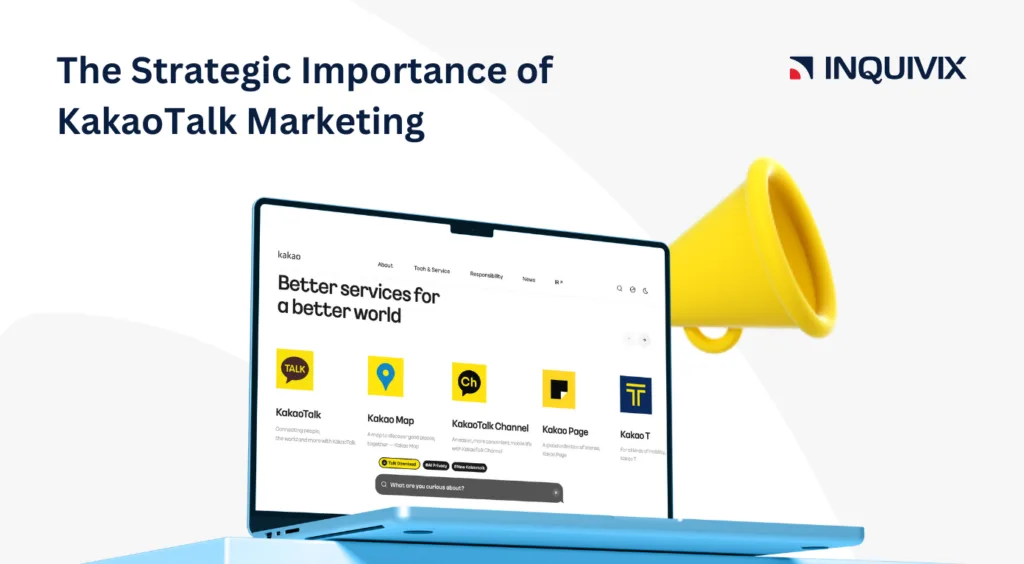
With over 95% of the population active on the platform, KakaoTalk marketing is a non-negotiable requirement. The app has evolved into a super app that integrates messaging, payments, and commerce. This ubiquity allows brands to communicate directly with their target audience in a high trust environment.
The primary mechanisms for marketing include official brand channels and targeted display ads. Integrated e-commerce features allow for a seamless transition from conversation to purchase. Professional KakaoTalk marketing is the key to mastering this platform.
KakaoTalk channels serve as a direct distribution hub for promotional offers and brand announcements. Brands can utilize sophisticated targeting features to reach specific user groups based on demographics.
The integration of chatbots allows for automated customer support and personalized recommendations. This provides an efficient user experience that drives higher conversion rates. By building a community within KakaoTalk, companies can nurture long term loyalty. Satisfied customers become advocates through consistent and high value engagement.
Daum Search and Integrated KakaoTalk Ecosystems
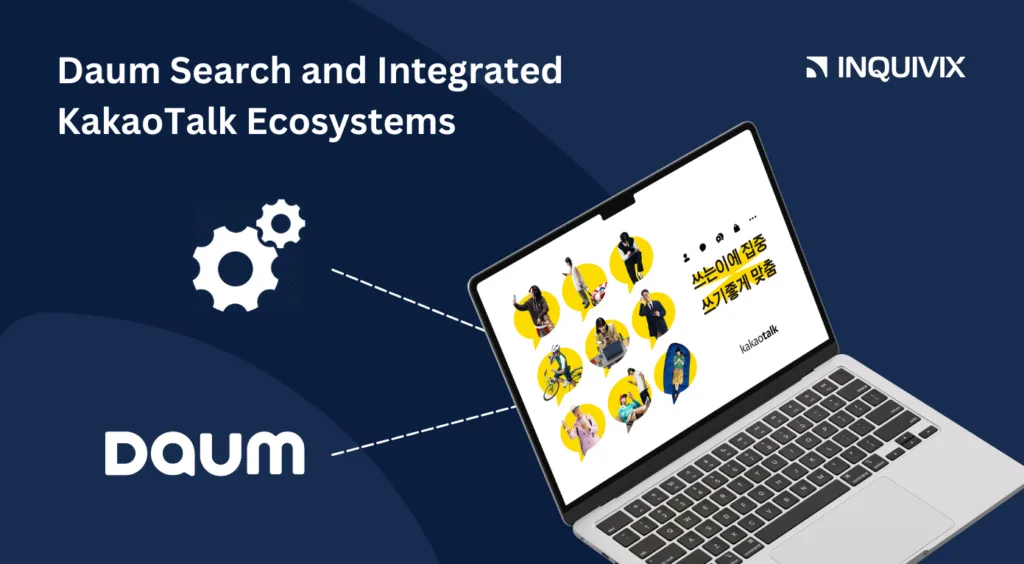
Daum is another popular search engine in South Korea that accounts for approximately 5% to 10% of the market. Although its share is smaller than Naver, it remains a meaningful player through its integration with KakaoTalk.
Daum search is the default for many KakaoTalk services and integrated apps. This creates a niche but highly engaged user base for specific demographics. For brands, presence on Daum is part of a comprehensive strategy to reach a wider target audience.
Marketing on Daum involves optimizing content for the integrated search portal. This includes participation in Daum cafes and leveraging the portal’s news sections. The platform’s connection to the KakaoTalk ecosystem allows for cross vertical monetization.
This synergy helps brands build awareness across multiple touchpoints. Understanding how to rank on Daum is essential for achieving complete market coverage. It ensures that no segment of the Korean search population is overlooked.
Kakao Feed Transformation and Short Form Trends
In a major strategic shift, KakaoTalk has transformed its interface into a feed based structure. This new layout displays profile photos and short form videos similar to Instagram or TikTok. This indicates that KakaoTalk is evolving into an ad based content hub.
Users discover new trends and products through a continuous stream of visual media. For global brands, this represents a massive opportunity to reach consumers through creative video formats. These formats blend naturally with the social feed.
To capitalize on this change, brands must adapt content to include high energy and subtitle centered videos. The introduction of mid feed ads allows for organic discovery within the ecosystem.
Firms that design journeys moving from feed videos to commerce are best positioned to capture younger demographics. This structural redesign is essentially a change in the digital lifestyle of the consumer. It makes KakaoTalk a central pillar for both community building and modern commerce.
Agentic AI: Naver Agent N and Kakao Kanana
The year 2026 marks the beginning of the agentic AI era for Korea’s internet giants. Naver and KakaoTalk are both launching sophisticated AI agents that execute tasks proactively.
Naver’s Agent N is designed to connect users to products and services through natural conversation. It can carry out real world actions like reservations or purchases on the user’s behalf. This shifts the digital experience from document retrieval to proactive personal assistance.
Kakao’s Kanana model focuses on a closed loop ecosystem centered on messaging. By understanding the context of personal conversations, Kanana can proactively offer assistance. This includes recommending gifts or booking transportation at necessary moments.
Naver and Kakao: South Korean E-commerce Leaders
The market is consolidated with dominant platforms like Coupang and Naver Shopping shaping expectations. These platforms have rewired the retail sector through digitally inspired innovations. Users want a one stop shopping experience that includes reviews and integrated payment solutions.
Naver shopping maintains a strong influence through its search led commerce ecosystem. The Naver Smart Store allows businesses to create professional storefronts integrated with the portal.
This reduces friction between product discovery and purchase. Precise keyword targeting in product titles and metadata is essential for success. In the Korean market, verified user reviews are the number one factor for conversion. Brands should utilize Naver’s analytics to track performance and refine their strategy.
Simple Payments via Naver Pay and Kakao Pay
The digital payment landscape is dominated by simple payment services like Naver Pay and Kakao Pay. These systems allow users to complete transactions with a single touch. They bypass the complex mobile phone verification hurdles of traditional checkouts.
For international brands, integrating these local wallets is the most effective way to reduce cart abandonment. Korean shoppers are highly sensitive to checkout friction. They will quickly abandon a purchase if the process is not simple.
These payment services are becoming increasingly popular as online shopping develops. The daily utilization of payment gateway services exceeds 16 million transactions.
Furthermore, the Naver points system creates a powerful loyalty loop. Users actively seek out stores that accept Naver Pay to maximize point accumulation. Brands that offer these options demonstrate a commitment to the Korean market. They provide a seamless journey that aligns with local consumer habits.
KOL Marketing on Naver and Kakao Channels
KOL marketing in South Korea is a specialized landscape where influencers command significant trust. Over 70% of consumers prefer brands recommended by influencers. More than 80% conduct research on platforms like the Naver Blog and YouTube before a purchase.
Unlike Western markets, Korean consumers value long form and detailed reviews. These provide deep insights into product utility and quality. This makes influencers trusted advisors rather than simple advertisers.
To succeed, brands must move beyond scripted sponsorships. Authentic and experience driven content is the key to credibility. Key opinion leaders bring a nuanced understanding of local trends that global brands often lack.
Successful campaigns integrate Naver Blog reviews with high energy demonstrations. Matching the right voice to the right platform generates genuine trust at scale. This drives substantial conversion rates across the market. Explore KOL and influencer marketing for tailored campaigns.
Local Search Engine Optimization for Portals
While Naver is critical, maintaining a technical global website is still necessary for appearing in results. Technical search engine optimization focuses on core web vitals like fast loading and mobile responsiveness.
Since over 94% of the population uses smartphones, mobile first design is a mandatory requirement. Brands must ensure their site is crawlable by the Naver yeti bot. This often requires traditional html structures over complex frameworks.
Korean consumers have distinctive habits and prefer information dense layouts. They typically go to one single portal for all their needs rather than browsing multiple sites. This means a brand’s digital presence must be both comprehensive and efficient.
UI design should focus on providing a one stop experience including product reviews and transparent pricing. By focusing on these technical and cultural requirements, brands can enhance visibility. This draws high quality organic traffic to their primary sites.
Future Roadmap for Naver, Daum, and KakaoTalk
As we look toward 2030, the Korean digital marketing market is projected to grow significantly. Investment will shift toward AI driven personalization and immersive media. Brands that adapt early to these trends by prioritizing trust will find a growth inflection point. The question is no longer whether a brand’s content can rank. The question is whether it deserves to be trusted in an automated search environment.
To succeed, global brands must embrace a local first approach on these platforms. The first step is to establish a dedicated Naver Blog and an official Kakao channel. This should be followed by native keyword research to understand the specific user intent.
Companies should utilize a multi channel strategy that integrates search engine optimization and targeted ads. By building meaningful connections through community engagement, firms can achieve sustainable growth. The goal is to become an integral part of the consumer’s digital life.