Instagram vs. KakaoStory: Which Platform Suits Korean Beauty Brands?
When it comes to social media marketing in Korea’s thriving beauty industry, the debate often comes down to Instagram vs KakaoStory Korea. Both platforms play a significant role in shaping consumer preferences and building brand visibility, but they serve different purposes and reach different audiences. Instagram has become the go-to platform for global beauty trends, influencer collaborations, and visual storytelling. At the same time, KakaoStory is deeply rooted in Korea’s local digital ecosystem, offering brands direct access to community-driven engagement. For beauty brands entering or expanding into the Korean market, understanding these differences is crucial to selecting the right platform for success.
The Role of Social Media in Korea’s Beauty Industry
Korea’s beauty industry, often referred to as K-beauty, is not only a global trendsetter but also one of the most digitally connected markets globally. Social media has become the primary channel through which beauty trends are discovered, shared, and amplified. Korean consumers are highly active on social platforms, using them not just for entertainment but as trusted sources of product recommendations, tutorials, and reviews.
In the beauty sector, social media acts as both a showcase and a sales funnel. Platforms like Instagram showcase visually appealing content, including makeup tutorials, product flatlays, and influencer collaborations. Meanwhile, local platforms like KakaoStory provide opportunities for deeper community engagement, personal storytelling, and brand-to-consumer conversations that resonate with Korean users.
For beauty brands entering the Korean market, social media is more than just a marketing tool; it is the heartbeat of consumer decision-making. From the first moment a product is seen in a post to the final purchase, social platforms shape the entire customer journey. This makes choosing the right platform essential for building awareness, fostering trust, and driving sales in such a competitive market.
Understanding Instagram in Korea
Instagram has established itself as one of the most influential platforms in Korea, especially within the beauty and fashion sectors. Known for its strong visual-first nature, Instagram aligns perfectly with the aesthetics-driven world of K-beauty. For both local and international beauty brands, Instagram provides the stage to showcase products, share tutorials, and collaborate with influencers who set the trends for Korean consumers.
Popularity and Reach of Instagram Among Korean Users
Instagram is one of the fastest-growing platforms in Korea, particularly among younger demographics. Millennials and Gen Z make up a significant portion of its user base, and these are the exact groups that dominate the beauty market. Korean users turn to Instagram not only for inspiration but also as a platform to engage with their favorite brands and beauty creators. Its integration with e-commerce and “Shop Now” features has further solidified Instagram as a vital channel for both discovery and conversion.
Features That Support Beauty Brand Marketing
Instagram’s ecosystem offers multiple tools that directly benefit beauty marketers:
- Feed posts enable brands to showcase high-quality product images, flatlays, and campaign visuals.
- Stories and Highlights are perfect for behind-the-scenes content, tutorials, and quick promotions.
- Reels provide an opportunity to tap into viral content trends with short, engaging videos.
- Shoppable posts and links enable consumers to seamlessly transition from browsing to purchasing, creating a seamless shopping experience.
For beauty brands that rely on visual impact and aspirational content, these features make Instagram a natural fit for connecting with Korean audiences.
Types of Beauty Content That Perform Well on Instagram in Korea
The Korean Instagram space thrives on aesthetic, authenticity, and relatability. Beauty consumers in Korea are particularly drawn to:
- Makeup tutorials and skincare routines shared by influencers and micro-creators.
- User-generated content that showcases real-life results with products.
- Before-and-after transformations, which help build trust and credibility.
- Collaborations with K-beauty influencers and celebrities that drive trend adoption and brand recognition.
This combination of visual storytelling, influencer power, and integrated shopping makes Instagram one of the most impactful platforms for beauty brands aiming to grow in Korea.
What Is KakaoStory and How It Works
When discussing **Instagram vs. KakaoStory Korea, **it’s essential to understand what makes KakaoStory unique in the Korean social media marketing landscape. Unlike Instagram, which dominates the global stage, KakaoStory is deeply integrated into Korea’s digital ecosystem through its connection with KakaoTalk, the country’s most widely used messaging app. This integration gives KakaoStory an advantage when it comes to reaching local audiences and fostering more personal, community-driven engagement.
KakaoStory’s Connection to KakaoTalk Ecosystem
KakaoStory is an extension of KakaoTalk, allowing users to share longer updates, images, and stories with their friends and followers. Since KakaoTalk is the default communication app in Korea, KakaoStory benefits from seamless integration. This means beauty brands can use KakaoStory advertising to reach users who are already active in the Kakao ecosystem, making it easier to stay top-of-mind with local audiences.
User Demographics and Behavior
While Instagram attracts younger, trend-driven audiences, KakaoStory has traditionally appealed to slightly older demographics, often in their 30s and 40s. These users prefer content that feels personal, relatable, and connected to daily life. For beauty brands, this opens opportunities to build trust with consumers who value authenticity and storytelling over highly polished visuals.
Marketing Features for Brands
KakaoStory offers several features that brands can leverage:
- Brand Pages, where companies can share updates, campaigns, and stories.
- Photo and Video Sharing optimized for personal narratives and behind-the-scenes content.
- Integration with Kakao’s advertising tools enables targeted promotions that reach users across KakaoTalk, KakaoStory, and other connected services.
This makes KakaoStory particularly effective for brands that want to nurture communities, promote local events, or create long-term engagement rather than relying solely on viral trends.
In the debate of Instagram vs KakaoStory Korea, beauty brands should view KakaoStory as a platform that excels in building loyalty and deeper connections with Korean consumers. When combined with Instagram’s global reach, KakaoStory becomes a powerful tool within a broader Korean social media marketing strategy.
Instagram vs. KakaoStory, A Direct Comparison
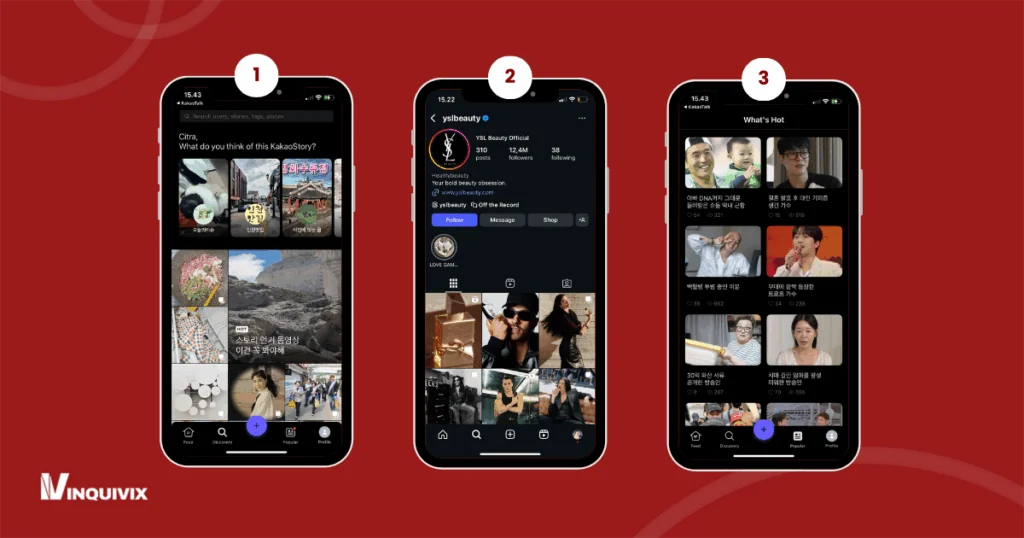
Both Instagram and KakaoStory play vital roles in Korea’s social media ecosystem, but they cater to different audiences, content preferences, and marketing objectives. For beauty brands, understanding these distinctions can help determine whether to focus resources on one platform or adopt a hybrid strategy that leverages the strengths of both.
Audience Demographics and Preferences
- Instagram attracts younger audiences, particularly Millennials and Gen Z, who are trend-conscious, visually driven, and open to international influences. These users follow beauty influencers, participate in challenges, and discover the latest K-beauty products through curated feeds.
- KakaoStory, on the other hand, is more popular with users in their 30s and 40s who value personal connections and authentic storytelling. Content is often consumed within a circle of trusted peers, making it ideal for brands that want to build trust and loyalty.
Content Style and Engagement Patterns
- Instagram thrives on polished visuals, short-form video, and influencer-driven campaigns. The algorithm favors eye-catching and shareable content, which makes it easier for brands to go viral and gain exposure quickly.
- KakaoStory prioritizes personal updates, more extended captions, and storytelling. Engagement is more community-driven and intimate, as users interact with content from friends, family, and familiar brands rather than public influencers.
Advertising Options and Targeting
- Instagram Ads offer global reach with highly advanced targeting options through Meta’s advertising ecosystem. Beauty brands can run campaigns that target users by age, location, interests, and behavior, making it ideal for reaching both Korean and international audiences simultaneously.
- KakaoStory Ads are integrated into Kakao’s wider ad platform, which connects to KakaoTalk and other services. This creates opportunities for hyper-local targeting and retargeting within Korea’s most used digital ecosystem. For brands targeting Korean consumers, this local precision is a significant advantage.
Strengths and Limitations of Each Platform
- Instagram Strengths: Global exposure, strong influencer culture, advanced ad targeting, shoppable posts.
- Instagram Limitations: Highly competitive, requires consistent high-quality content, and algorithm changes can impact reach.
- KakaoStory Strengths: Deep integration with KakaoTalk, substantial local reach, community-focused engagement, and trusted by older demographics.
- KakaoStory Limitations: Less global visibility, a smaller, younger audience base, and content reach is often limited to the user’s existing circles.
For beauty brands deciding between the two, the choice isn’t necessarily about Instagram or KakaoStory; it’s about aligning platform strengths with brand goals. Instagram is the clear winner for trend-driven, global-facing campaigns, while KakaoStory excels at building loyalty and connecting with Korean consumers on a personal level.
Which Platform Works Best for Korean Beauty Brands?
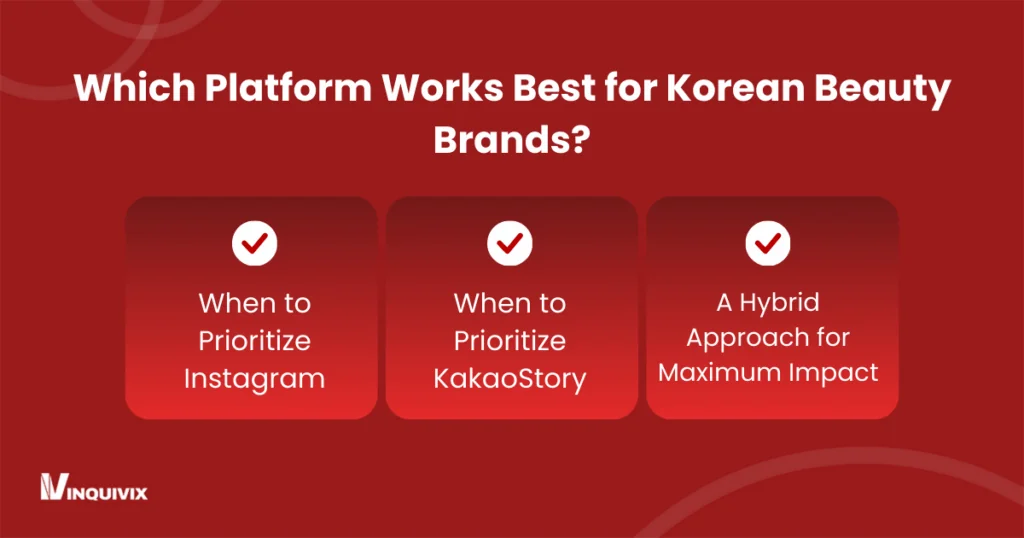
For beauty brands in Korea, the decision between Instagram and KakaoStory depends largely on audience targeting, campaign goals, and long-term strategy. Both platforms provide opportunities, but their strengths align with different stages of the consumer journey.
When to Prioritize Instagram
Instagram is the natural choice for beauty brands that want to capture attention quickly and build trend-driven awareness. Its global reach allows Korean beauty brands to connect not only with domestic consumers but also with international fans of K-beauty. Features like reels, stories, and shoppable posts make it easier to showcase new products and drive immediate conversions. Collaborating with Korean influencers on Instagram can amplify campaigns and push products into the spotlight.
When to Prioritize KakaoStory
KakaoStory, though smaller in scale, offers an intensely localized advantage. Since it’s closely tied to KakaoTalk, the most widely used communication app in Korea, KakaoStory enables brands to maintain closer, more personal relationships with their audience. Beauty brands can use the platform for loyalty-building, storytelling, and community engagement. This is particularly effective for consumers in their 30s and 40s who may not be as active on Instagram but value authenticity and trust in brand interactions.
A Hybrid Approach for Maximum Impact
Rather than viewing the decision as Instagram versus KakaoStory, many successful beauty brands in Korea adopt a hybrid strategy. By using Instagram for global visibility and influencer-driven campaigns, while leveraging KakaoStory for nurturing loyal communities and reinforcing brand trust, companies can maximize reach and engagement across different audience groups.
In short, Instagram is best suited for scaling trends and reaching international markets, while KakaoStory is more effective for solidifying a local presence and fostering long-term consumer relationships. The winning approach often lies in balancing both platforms within a comprehensive Korean social media marketing strategy.
Practical Tips for Beauty Brands Entering the Korean Market
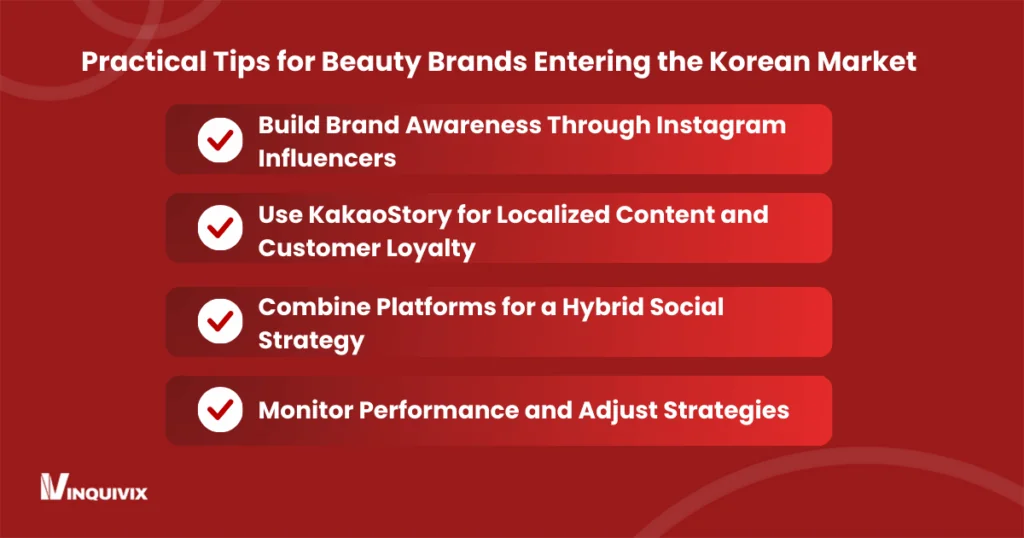
Breaking into Korea’s highly competitive beauty industry requires more than simply launching products; it demands a thoughtful approach to social media marketing. Both Instagram and Kakao Story can help beauty brands in Korea establish a foothold, but the strategies differ based on how each platform operates. Below are some practical tips to maximize your brand’s impact.
Build Brand Awareness Through Instagram Influencers
Influencers play a central role in Korea’s beauty market. Partnering with Korean beauty creators allows brands to reach younger audiences who follow these personalities for trusted recommendations. Micro-influencers, in particular, often deliver higher engagement rates and help brands connect with niche communities. Sponsored tutorials, unboxing reels, and skincare routines are highly effective content formats that can boost awareness and credibility.
Use KakaoStory for Localized Content and Customer Loyalty
KakaoStory is ideal for building deeper relationships with local consumers. Beauty brands can use the platform to share behind-the-scenes stories, personalized product recommendations, and localized campaigns that feel more authentic to Korean audiences. Because KakaoStory is linked to KakaoTalk, brands can also strengthen retention through direct interactions, reminders, and event promotions that reach users in their everyday messaging app.
Combine Platforms for a Hybrid Social Strategy
The most effective approach is often not choosing one platform over the other, but leveraging both strategically. For example:
- Launch new product lines and collaborate with influencers on Instagram to generate buzz.
- Utilize KakaoStory to establish trust, share testimonials, and connect with consumers who prioritize authenticity.
- Create consistent branding across both platforms so that customers recognize and trust the brand, regardless of where they interact with it.
Monitor Performance and Adjust Strategies
Social media in Korea is fast-paced and trend-driven. Beauty brands should consistently track engagement, conversions, and consumer feedback to refine campaigns. What resonates on Instagram may not perform the same way on KakaoStory, so adapting content style and messaging to each platform is key.
By combining Instagram’s global visibility with KakaoStory’s local community focus, beauty brands can craft a comprehensive social media strategy that resonates with Korean consumers while also appealing to international audiences eager to discover K-beauty trends.
Take Your Korean Beauty Brand Further with Inquivix
Navigating between Instagram and KakaoStory can be challenging, especially for foreign businesses and beauty brands in Korea that want to stand out in such a competitive market. Choosing the right platform is just the first step; success comes from executing tailored strategies, creating engaging content, and leveraging data-driven insights to reach the right audience at the right time.
At Inquivix, we specialize in Korean social media marketing designed to help beauty brands grow and thrive. Whether you need to build global awareness through Instagram influencer campaigns, foster loyal communities on KakaoStory, or integrate both into a unified strategy, our team provides the expertise and local market knowledge to make it happen.
Don’t let your brand get lost in Korea’s fast-moving digital space. With Inquivix as your partner, you’ll have a clear roadmap to maximize your visibility, engage the right consumers, and drive measurable results.