KakaoTalk Channel vs. SMS Marketing: Which Works Better in Korea?
In today’s hyper-connected Korean market, businesses are constantly seeking the most effective way to reach and engage their customers. Two of the most widely used channels are KakaoTalk Channel and SMS messaging, each offering unique advantages depending on the brand’s goals. When it comes to KakaoTalk vs SMS marketing Korea, the debate centers on reach, engagement, and conversion potential. While SMS remains a universal and straightforward tool, KakaoTalk has become a powerful platform for personalized communication and brand interaction. Understanding the strengths and limitations of both channels is crucial for selecting the optimal strategy in Korea’s highly competitive digital landscape.
Understanding KakaoTalk Channel Marketing
What Is KakaoTalk Channel?
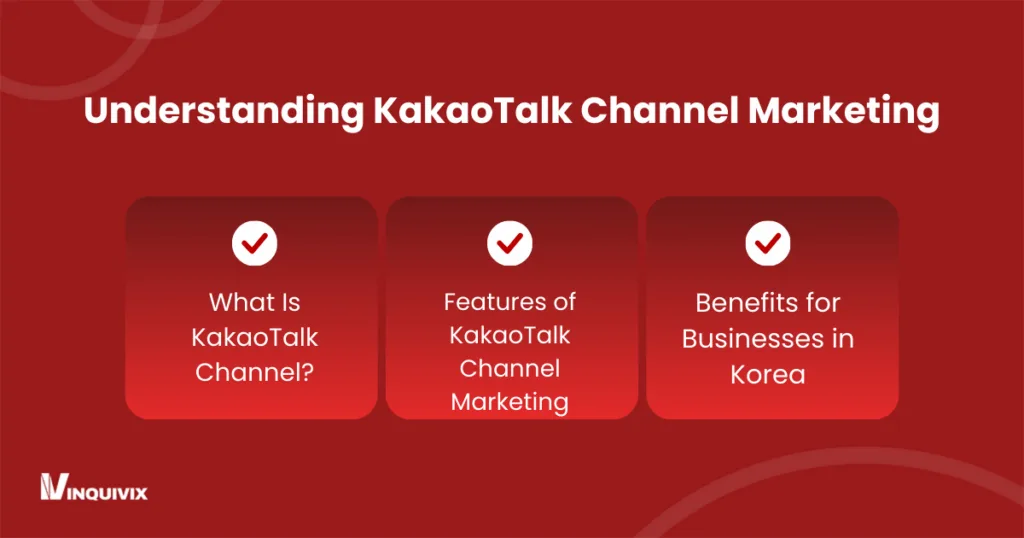
KakaoTalk Channel is a business communication and marketing platform integrated into KakaoTalk, South Korea’s most widely used messaging app. With over 40 million active users in Korea, KakaoTalk has become the go-to communication tool for personal, social, and business interactions. For brands, creating an official KakaoTalk Channel provides a direct way to connect with customers within the app they already use daily. Unlike traditional SMS, KakaoTalk Channel offers a branded space where businesses can share content, promotions, and updates while also facilitating two-way communication with users.
Features of KakaoTalk Channel Marketing
KakaoTalk Channel is designed with businesses in mind, offering tools that go beyond simple message delivery. Key features include:
- Broadcast Messaging – Send updates, announcements, and promotions to followers instantly.
- Targeted Campaigns – Segment your audience and deliver personalized messages based on demographics or customer behavior.
- Multimedia Support – Share images, videos, links, and interactive content that capture attention far more effectively than plain text.
- Customer Support Integration – Use chat functions to respond to customer inquiries directly within the app.
- Analytics and Insights – Track message delivery, open rates, and user engagement to refine future campaigns.
Benefits for Businesses in Korea
KakaoTalk Channel has quickly become a cornerstone of digital marketing in Korea for several reasons:
- High User Trust – Since customers must opt in to follow a brand’s channel, messages are less likely to be viewed as spam.
- Stronger Engagement – Multimedia messages, personalized offers, and interactive formats drive higher levels of user interaction compared to SMS.
- Seamless Integration with Korean Digital Lifestyle – Because KakaoTalk is deeply embedded in Korean daily life, businesses using the platform benefit from a natural extension of consumer habits.
- Brand Credibility – An official KakaoTalk Channel adds legitimacy to a brand, reassuring customers that they are engaging with an authentic business.
For businesses targeting the Korean market, KakaoTalk Channel marketing is more than just a communication tool; it’s a gateway to building long-term relationships with customers through consistent, engaging, and trusted interactions.
Understanding SMS Marketing in Korea
What Is SMS Marketing?
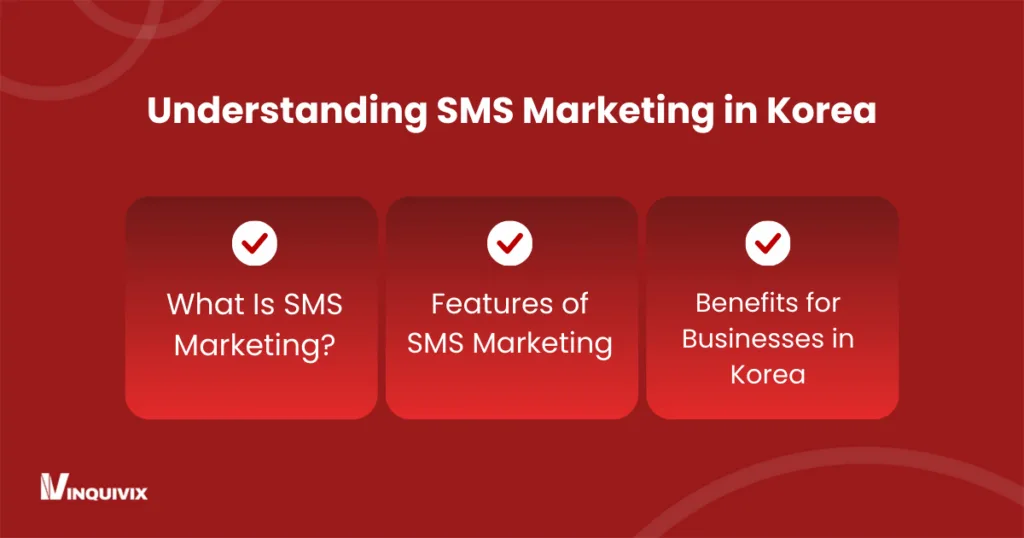
SMS (Short Message Service) marketing is one of the oldest and most widely adopted forms of mobile communication. In Korea, it has been a primary method for businesses to reach customers directly through their phones for decades. Even as new digital platforms, such as KakaoTalk and social media, have gained dominance, SMS remains a reliable channel due to its universal compatibility and widespread adoption. Every mobile phone, regardless of brand, model, or internet access, can receive text messages. For businesses, SMS is often used to deliver time-sensitive information, transactional updates, and promotional offers.
Features of SMS Marketing
SMS marketing is defined by its simplicity, but this simplicity can also be its strength. Key features include:
- Direct Message Delivery – SMS does not rely on apps or data connections; messages are delivered straight to the recipient’s phone inbox.
- Widespread Reach – Every mobile user in Korea, regardless of age group or smartphone preference, can receive SMS messages.
- High Open Rates – Because most people check their text messages immediately, SMS typically achieves strong visibility.
- Short and Concise Messaging – With a 160-character limit, SMS encourages brands to deliver precise and direct communication.
- Versatility Across Industries – From banks sending OTP codes to retailers delivering flash-sale alerts, SMS is widely used across sectors.
Benefits for Businesses in Korea
Despite the growing popularity of messaging apps, SMS marketing still holds several advantages for brands:
- Universal Accessibility – Unlike KakaoTalk, which requires users to download and engage with the app, SMS is accessible to anyone with a phone number.
- Reliability for Urgent Messages – Critical communications such as payment reminders, delivery updates, or authentication codes are often more effective when sent via SMS.
- Cost Efficiency for Mass Outreach – Especially for Transactional Notifications, SMS Remains a Cost-Effective Solution Compared to Developing Campaigns on Other Platforms.
- Broad Demographic Coverage – SMS can effectively reach older audiences or those less engaged with mobile apps, ensuring inclusivity in communication strategies.
For businesses in Korea, SMS marketing remains a practical tool for ensuring that important messages are seen quickly and reliably. While it may not offer the multimedia richness of KakaoTalk Channel, its universal reach and proven effectiveness make it an essential part of a well-rounded communication strategy.
KakaoTalk vs SMS Marketing: Key Differences
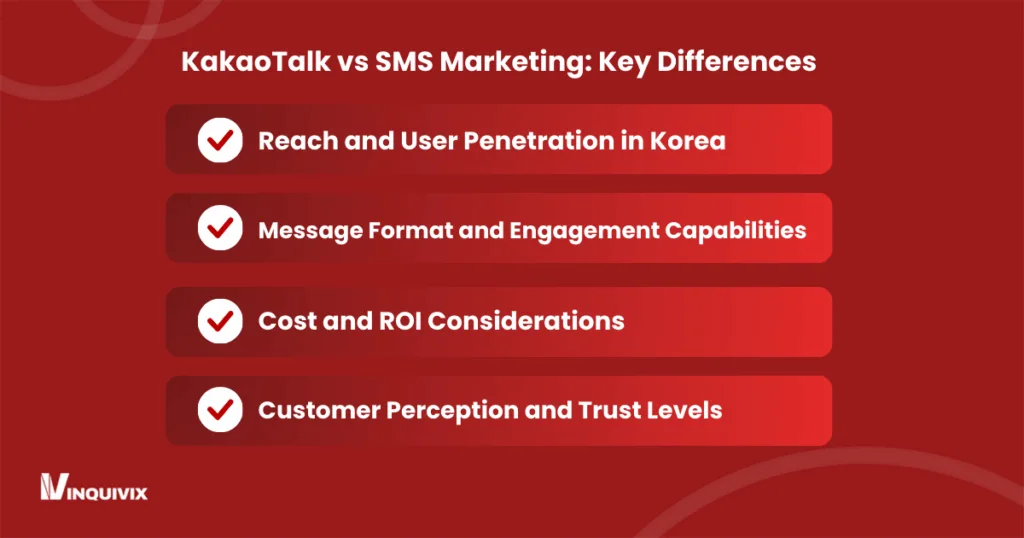
When evaluating KakaoTalk vs SMS marketing in Korea, the decision often comes down to how each channel performs across several critical factors: reach, engagement, cost, and consumer perception. Both are effective in their own ways, but understanding the differences can help businesses choose the most suitable approach for their specific goals.
Reach and User Penetration in Korea
- SMS – Every mobile phone, regardless of carrier or internet access, can receive SMS. This gives SMS an unmatched universality, especially for reaching audiences that may not be active on apps or the internet.
- KakaoTalk Channel – With more than 90% of Koreans using KakaoTalk as their primary means of communication, the platform offers a massive reach within a digitally engaged audience. However, users must actively subscribe to a brand’s KakaoTalk Channel to receive promotional messages, which creates a more selective but highly targeted reach.
Message Format and Engagement Capabilities
- SMS – Limited to short text (160 characters per message) with little room for creativity. Messages are functional, direct, and best suited for urgent or transactional communication.
- KakaoTalk Channel – Supports rich media, including images, videos, carousels, and clickable links. This enables brands to create visually engaging campaigns that extend beyond simple text, fostering more meaningful interaction.
Cost and ROI Considerations
- SMS – Generally low-cost per message, making it an efficient solution for mass notifications. However, limited engagement features can result in lower long-term ROI if used for promotional campaigns.
- KakaoTalk Channel – May involve higher costs, especially for advanced targeting and campaign features. Still, the ability to deliver personalized, interactive content often translates to higher engagement and improved customer lifetime value.
Customer Perception and Trust Levels
- SMS – While effective, SMS messages can sometimes be perceived as spam if not managed carefully. Because SMS lacks branding features, recipients may question the authenticity of promotional messages.
- KakaoTalk Channel – Provides a branded and verified space for businesses. Customers who subscribe to a channel know they are engaging with the official brand, which fosters greater trust and strengthens the brand-consumer relationship.
Conversion Effectiveness in the Korean Market
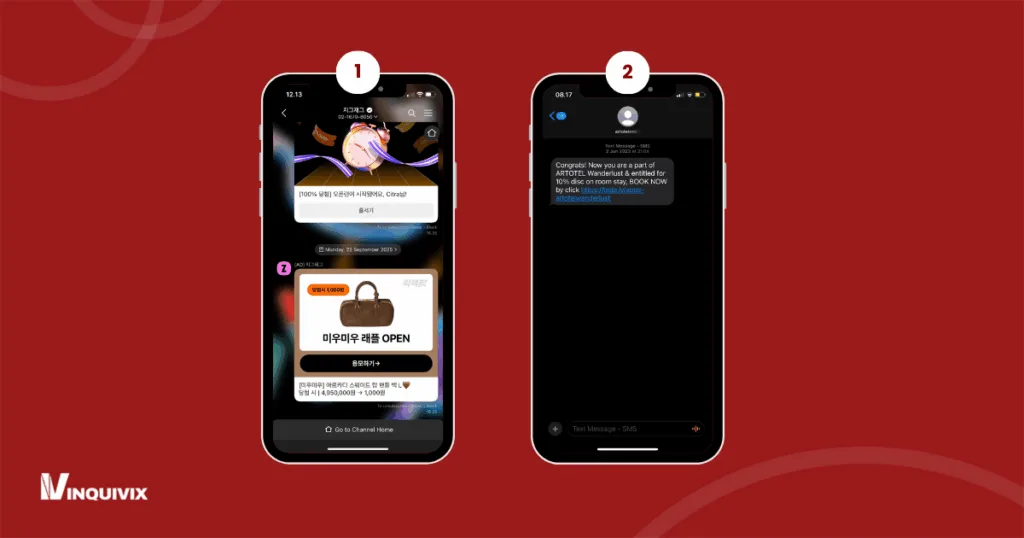
When businesses evaluate KakaoTalk vs SMS marketing in Korea, the ultimate question is which channel drives better conversions. While both channels can deliver results, their effectiveness depends on the type of message, the audience, and the overall campaign goals.
How Conversions Are Measured in SMS Campaigns
Conversions from SMS campaigns are typically measured through:
- Click-Through Rates (CTR): Using shortened links or unique codes embedded in the message.
- Redemption of Coupons or Offers: Customers responding to a limited-time promotion.
- Response Rates: Direct replies or customer engagement, although this is limited compared to app-based platforms.
Because SMS is concise, conversions typically occur when the recipient takes immediate action, such as clicking a link, calling a number, or redeeming a code. While effective for urgency-driven campaigns (e.g., flash sales, payment reminders), SMS often struggles to sustain engagement beyond the first interaction.
How Conversions Are Measured in KakaoTalk Campaigns
KakaoTalk Channel offers more sophisticated ways to measure conversions thanks to its integrated features:
- Engagement Tracking: Monitoring how many users opened, clicked, or interacted with multimedia content.
- In-App Actions: Tracking responses such as joining events, visiting landing pages, or using chatbots for inquiries.
- Customer Journey Insights: Since users remain within KakaoTalk, businesses can analyze engagement over time, from the initial interaction to repeat purchases.
The ability to deliver personalized messages and use interactive elements often leads to stronger conversion pathways, mainly for campaigns focused on building relationships rather than one-time actions.
Which Channel Delivers Higher Engagement and Conversions?
- SMS provides higher immediate visibility, as most people read text messages instantly. However, limited space and a lack of branding can result in lower follow-through rates, especially for promotional campaigns.
- KakaoTalk Channel, on the other hand, generally achieves higher engagement-driven conversions. Rich content formats, personalization, and branded trust encourage users not only to click but also to interact with the brand in the long term.
In the Korean market, conversions are not just about a single transaction, but also about fostering customer loyalty and encouraging repeated engagement. For urgent, transactional communication, SMS often wins. But for campaigns aiming to build brand affinity, foster deeper interaction, and drive repeated purchases, KakaoTalk Channel has the advantage.
Best Use Cases for Each Channel

While both SMS and KakaoTalk Channel are powerful tools, their effectiveness often depends on the type of message being delivered and the target audience. Understanding the best use cases for each channel enables businesses to optimize their campaigns and maximize return on investment.
When SMS Marketing Works Best
SMS remains highly effective for situations that require immediacy, simplicity, and universal reach. Some of the strongest use cases include:
- Time-Sensitive Notifications: Alerts for deliveries, payment due dates, or service disruptions.
- Authentication and Security Codes (OTPs): Banks, fintech platforms, and e-commerce companies rely heavily on SMS for verification.
- Emergency Updates: Important announcements such as schedule changes or urgent reminders.
- Broad Audience Coverage: Particularly effective for reaching older demographics or customers who may not be active on KakaoTalk.
When KakaoTalk Channel Marketing Works Best
KakaoTalk Channel excels in campaigns designed to foster engagement, build brand loyalty, and create interactive experiences. Best use cases include:
- Promotional Campaigns: Sharing product launches, seasonal sales, or special offers with rich media to capture attention.
- Customer Relationship Building: Personalized greetings, event invitations, and loyalty program updates foster stronger connections.
- Customer Support and Engagement: Using KakaoTalk chat to handle inquiries, provide real-time assistance, or share FAQs.
- Content-Driven Marketing: Sharing blog posts, videos, and branded stories that enhance customer education and brand perception.
Multi-Channel Strategy: Using Both Together
For many businesses in Korea, the most effective strategy is not choosing one over the other, but combining both SMS and KakaoTalk Channel:
- Layered Communication: Send an urgent notification via SMS, followed by a more detailed message on KakaoTalk.
- Audience Segmentation: Use SMS for a broader reach and the KakaoTalk Channel for customers who opt in for deeper engagement.
- Reinforcement of Messages: SMS ensures visibility, while KakaoTalk provides opportunities for interaction and brand storytelling.
By leveraging the strengths of both platforms, businesses can develop a comprehensive communication strategy that optimizes conversions, enhances the customer experience, and ensures that no audience segment is overlooked.
Challenges and Limitations

No marketing channel is without its drawbacks. While both SMS and KakaoTalk Channel offer unique strengths, they also come with limitations that businesses must carefully consider when planning their campaigns in Korea.
Limitations of SMS Marketing
- Character Restrictions: With only 160 characters available per message, it is difficult to convey complex messages or provide detailed explanations.
- Lack of Branding Opportunities: SMS messages are plain text, which means they cannot include logos, images, or brand elements that reinforce credibility.
- Spam Concerns: Because SMS has been widely used for decades, many consumers in Korea are wary of promotional texts, often perceiving them as spam unless they are highly relevant.
- Limited Engagement Options: Beyond clicking a link or replying to a number, SMS provides very little room for interaction or ongoing engagement.
- Regulatory Compliance: Businesses must comply with strict regulations regarding unsolicited messages, and violating these can damage brand reputation.
Limitations of KakaoTalk Marketing
- Requires App Adoption: Although KakaoTalk’s penetration in Korea is exceptionally high, users must still opt in by subscribing to a brand’s channel, which limits the initial reach compared to SMS.
- Platform Restrictions: KakaoTalk has specific rules for how businesses can interact with customers, including guidelines on promotional frequency to avoid spamming users.
- Higher Costs for Advanced Features: While basic use is affordable, targeted campaigns, rich media, and large-scale promotions can become more expensive than SMS messaging.
- Overcrowding of Channels: With numerous brands utilizing KakaoTalk Channels, businesses must invest in creativity and consistent engagement to avoid being overlooked.
- Dependence on Kakao’s Ecosystem: Businesses are tied to the platform’s policies, updates, and algorithm changes, which can impact campaign performance over time.
Choosing the Right Marketing Channel for Your Business

Deciding between KakaoTalk vs SMS marketing in Korea isn’t about choosing a “better” channel in absolute terms; it’s about identifying which channel aligns best with your business goals, audience preferences, and resources. Each tool has unique advantages, and the right choice depends on how you plan to engage with your customers.
Consider Your Target Audience
- SMS: If your customer base includes a wide demographic, particularly older users or those less active on apps, SMS ensures your message reaches everyone.
- KakaoTalk Channel: If your brand is targeting younger, digitally engaged consumers in Korea, KakaoTalk is the platform where they are most likely to interact with you.
Define Your Marketing Goals
- Urgency and Simplicity: For delivering transactional information, such as order confirmations, reminders, or security codes, SMS is the faster and more reliable choice.
- Brand Engagement and Loyalty: For campaigns focused on building relationships, sharing stories, and encouraging repeat purchases, KakaoTalk Channel offers richer engagement opportunities.
Evaluate Your Budget and Resources
- SMS: Typically more cost-effective for mass communication, but with limited ROI for long-term brand building.
- KakaoTalk Channel: Although it may involve higher upfront costs, it provides greater potential for customer engagement, conversions, and brand loyalty.
Adopt a Multi-Channel Strategy
Rather than choosing one channel exclusively, many successful businesses in Korea combine both:
- SMS for Reach and Urgency: Ensures messages are seen quickly and by all customer segments.
- KakaoTalk for Engagement and Relationship Building: Offers personalized, branded experiences that enhance customer trust and loyalty.
In practice, the most effective approach is to align your channel strategy with the nature of your message. Urgent and universal communications are best delivered through SMS, while promotional and relationship-driven content thrives on KakaoTalk. By integrating both channels, businesses can achieve a balance of reach, engagement, and conversion in the Korean market.
How Inquivix Helps Businesses Succeed in Korea

Navigating the differences between KakaoTalk Channel and SMS marketing can be challenging, especially for foreign brands entering the Korean market or local businesses aiming to scale. Each channel requires a different approach; SMS demands precision and compliance, while KakaoTalk thrives on creativity, personalization, and engagement. Choosing the right mix, crafting compelling campaigns, and tracking conversions all require a deep understanding of Korea’s unique digital ecosystem.
At Inquivix, we specialize in helping businesses leverage the most effective marketing channels in Korea. Our team develops tailored strategies that combine the reach and reliability of SMS marketing with the engagement power of KakaoTalk Channel, ensuring that your brand not only connects with customers but also drives measurable results. From campaign planning and execution to performance tracking and optimization, we provide end-to-end support designed to maximize ROI.
Whether your goal is to increase conversions, strengthen customer relationships, or build brand awareness, Inquivix can guide you with proven expertise in the Korean digital landscape. Ready to discover which channel will deliver the best results for your business in Korea? Contact Inquivix today and let’s create a marketing strategy that drives growth and success.