Cultural Nuances in Korean Event Planning Every Foreign Brand Must Know
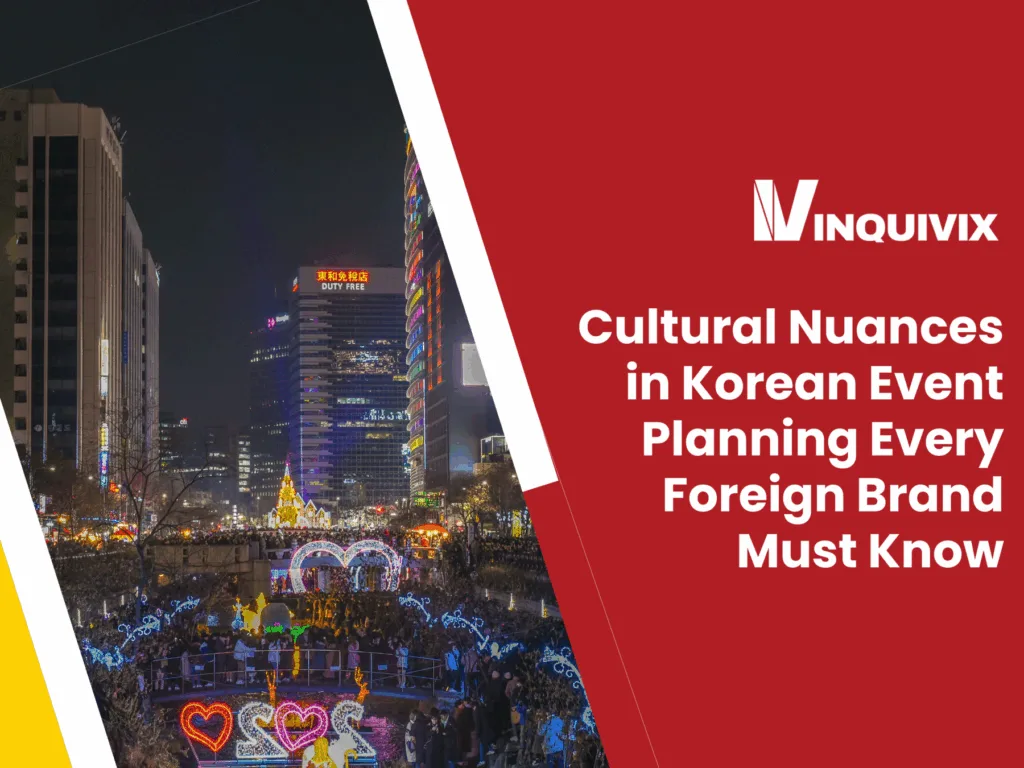
Planning an event in Korea goes far beyond logistics and scheduling; it requires a deep understanding of cultural traditions, social expectations, and business etiquette. For international companies, overlooking these subtle details can mean the difference between a successful event and one that falls flat. Korean event planning is unique because it combines modern innovation with long-standing traditions rooted in respect, hierarchy, and a strong emphasis on hospitality. It can be a corporate event or conference, product launch, or networking event, and cultural nuances play a critical role in shaping guest experiences and brand reputation. For foreign brands seeking to enter or expand in Korea, mastering these cultural elements is crucial to establishing trust and achieving long-term success.
The Importance of Cultural Awareness in Korean Event Planning
Understanding the local culture is not just an advantage; it’s a necessity when it comes to event planning in Korea. Cultural awareness allows foreign brands to connect meaningfully with Korean audiences, avoid misunderstandings, and demonstrate respect for local traditions. In a society where relationships, hierarchy, and etiquette hold significant weight, aligning events with cultural expectations can determine the overall success of your initiative.
Why Culture Shapes Business Events in Korea
Korean society is built on values of respect, harmony, and community. These values are deeply reflected in how events are structured and experienced. From the way invitations are extended to how guests are seated, cultural nuances influence every step of the process. Brands that recognize and adapt to these cultural factors stand out as trustworthy and professional, while those that overlook them risk alienating their audience.
Bridging the Gap Between Foreign Brands and Korean Audiences
For international companies, cultural awareness serves as a bridge to credibility and trust. A brand that shows sensitivity to Korean business culture gains acceptance more quickly, creating stronger bonds with partners and clients. This cultural alignment not only enhances guest satisfaction but also reinforces long-term business relationships in Korea’s competitive market.
The Role of Respect and Etiquette in Event Success
In Korea, small details carry significant meaning. Respectful gestures, such as properly addressing guests, observing seating hierarchies, and adhering to etiquette in gift-giving and greetings, can have a powerful impact. These practices elevate the overall event experience, signaling that a foreign brand values and understands its Korean audience.
Key Cultural Nuances Every Brand Should Know
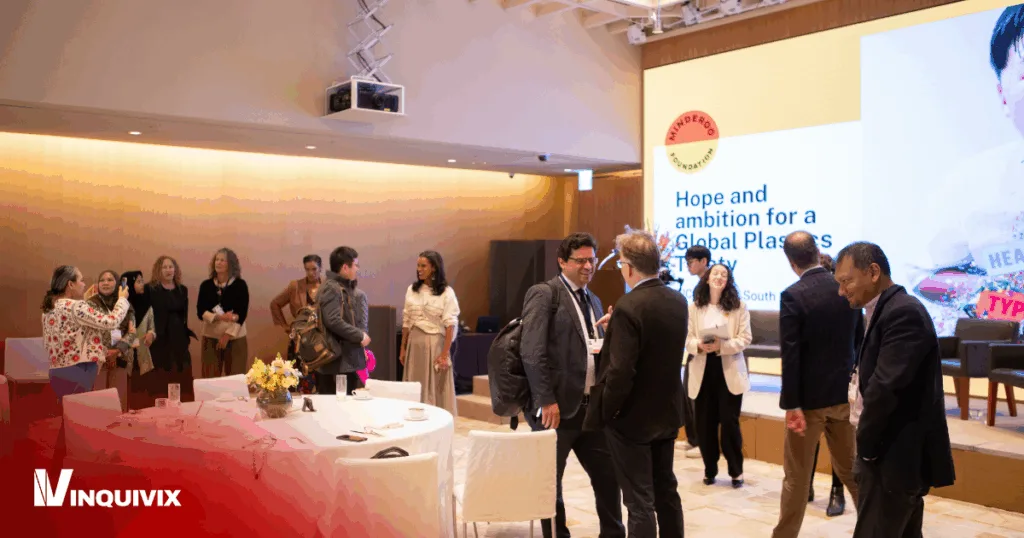
When it comes to Korean event planning, success depends not only on logistics and creativity but also on a deep understanding of Korea’s cultural values and business etiquette. Foreign brands must understand that every aspect of event planning in Korea, from guest lists to design choices, can carry cultural significance. Here are the key considerations to keep in mind when preparing for business events in Korea.
Respect for Hierarchy and Status
Hierarchy is a cornerstone of Korean society and has a profound presence in the country’s business culture. When organizing an event, senior executives or high-ranking guests must be given priority. This includes VIP seating arrangements, introductions in the correct order, and acknowledgment in speeches. Overlooking these details can be seen as disrespectful and may damage relationships with key decision-makers.
Formality and Professional Etiquette
Events in Korea often lean toward formality, particularly in business contexts. Proper greetings, professional attire, and ceremonial practices, such as exchanging business cards with two hands, are essential. Even small gestures, such as bowing or using honorific language, can set the right tone and help foreign brands gain respect.
Hospitality and Guest Experience
Koreans place great emphasis on being gracious hosts. In Korean event management, ensuring that guests feel welcomed and cared for is a top priority. This often means offering high-quality food and beverages, personalized attention, and entertainment that strike a balance between formality and enjoyment. Brands that provide exceptional hospitality leave a lasting positive impression on Korean audiences.
Timing and Punctuality
In Korea, timekeeping is a sign of professionalism and respect. Events are expected to begin and end on time, and punctuality is valued at all levels, from staff to executives. Being late, even by a few minutes, may be interpreted as disrespectful or careless, which can negatively affect a brand’s credibility.
Traditions and Modern Expectations
Korea is a society where tradition and modernity coexist. While guests may expect traditional elements like respectful greetings, symbolic gestures, or cultural performances, they also embrace advanced technology and modern event design. Striking the right balance, such as blending traditional Korean motifs with cutting-edge audiovisual experiences, can create an event that resonates with both older and younger audiences.
Symbolism in Design and Presentation
Colors, numbers, and symbols often carry cultural meanings in Korea. For example, white is associated with purity but can also symbolize mourning if used in excess. Numbers such as “4” are avoided due to their association with death, while “3” and “7” are considered lucky. Paying attention to these symbolic details in branding, stage design, and giveaways ensures that the event feels culturally aligned and respectful.
Practical Strategies for Successful Event Planning in Korea
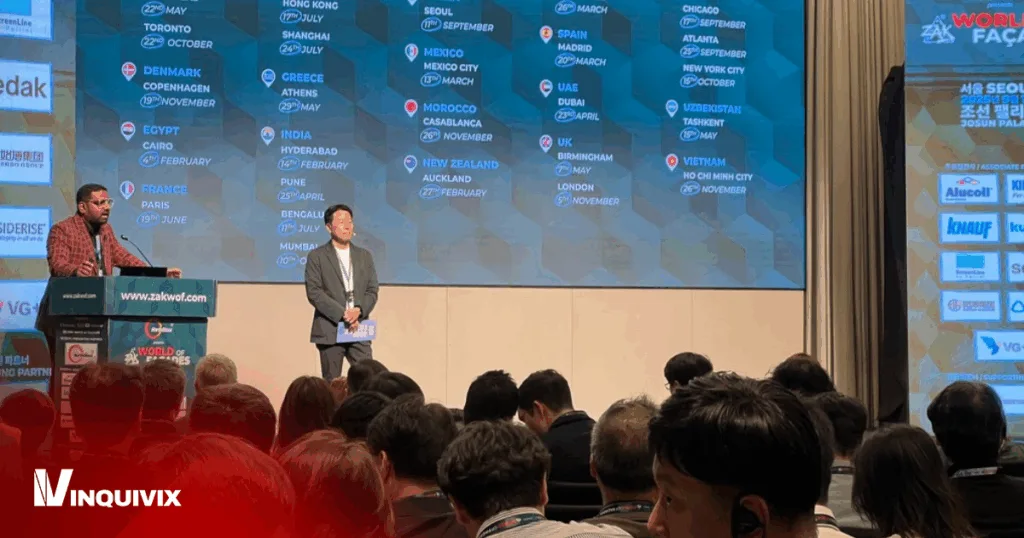
Cultural awareness alone isn’t enough; foreign brands need actionable strategies to execute events that resonate with Korean audiences. By combining respect for local traditions with modern event practices, companies can navigate the complexities of event planning in Korea and deliver impactful experiences. Below are practical strategies to ensure success.
Understanding the Korean Audience
Effective communication begins with understanding your audience. Korean professionals value respect, humility, and sincerity above all else. Messages should be tailored to reflect these cultural values while still highlighting the brand’s strengths. Koreans tend to prefer indirect communication, so being too aggressive in promotions or messaging may not resonate. Instead, emphasize building relationships and long-term trust over quick wins.
Venue Selection and Local Partnerships
Choosing the right venue is a strategic decision in Korean event management. Prestigious hotels, convention centers, and cultural landmarks often carry weight in terms of credibility. Working with local event planners or agencies ensures smoother operations, as they are familiar with logistical expectations, vendor networks, and cultural etiquette. These partnerships also help foreign brands avoid common pitfalls, such as miscommunication or selecting an inappropriate venue.
Incorporating Korean Technology and Innovation
Korea is one of the most digitally advanced countries in the world, and this is reflected in its event culture. Brands should leverage mobile engagement tools, interactive displays, and digital platforms to connect with audiences. Popular platforms like KakaoTalk, Naver, and YouTube play a significant role in promoting and running events. Integrating live streaming, real-time audience participation, and digital invitations can enhance both reach and engagement.
Building Relationships Through Inhwa (Harmony)
Inhwa, a core principle of Korean business culture, emphasizes harmony, teamwork, and mutual respect. Successful events are not only about showcasing products or services, but also about creating opportunities for relationship building. Networking sessions, small-group discussions, and shared dining experiences encourage connections while honoring this cultural value. Foreign brands that prioritize harmony over aggressive self-promotion are more likely to foster trust and lasting partnerships.
Balancing Tradition and Modernity
The most successful events in Korea are those that honor traditional customs while showcasing innovation. For example, incorporating elements such as traditional Korean music (gugak) or symbolic colors in décor can reflect cultural sensitivity. At the same time, high-tech presentations or immersive experiences highlight a brand’s modern edge. This blend appeals to both conservative and progressive audiences, creating a well-rounded experience that resonates widely.
Adapting to Korean Business Etiquette in Planning
From negotiation to final execution, business etiquette plays a vital role. Contracts may require flexibility, and decision-making can sometimes take longer due to hierarchical structures. Being patient, respectful, and attentive to details, such as gift-giving and proper greetings, will help brands establish credibility and avoid misunderstandings throughout the planning process.
Challenges Foreign Brands Face in Korean Event Planning
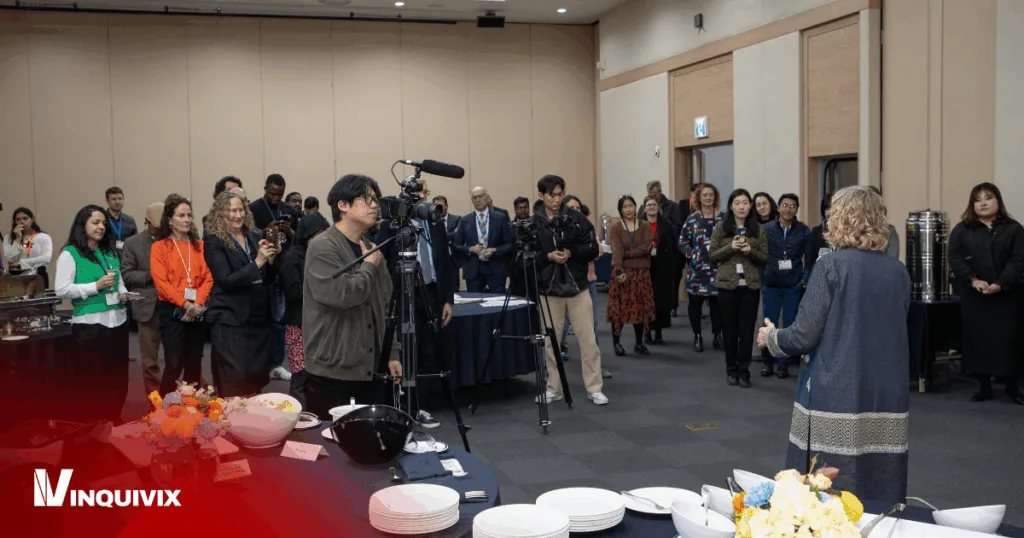
While Korea presents incredible opportunities for international companies, navigating the local event industry isn’t without obstacles. Cultural differences, language barriers, and unique business practices can complicate event planning in Korea if not handled with care and consideration. Understanding these challenges in advance helps foreign brands prepare effectively and avoid missteps that could undermine their efforts.
Language and Communication Barriers
Although many Korean professionals speak English, fluency levels can vary. Miscommunications may arise during contract negotiations, event coordination, or live interpretation at the event itself. Relying solely on English can lead to misunderstandings in schedules, technical requirements, or guest management. Partnering with bilingual event managers or hiring interpreters ensures smoother communication and helps prevent costly mistakes.
Adapting to Hierarchical Decision-Making
Korean business culture emphasizes hierarchy, which influences how decisions are made. Final approvals often require sign-off from senior executives, which can slow down the planning process. Foreign brands accustomed to quicker decision cycles may find this frustrating. Understanding and respecting these hierarchical structures and allowing extra time for approvals will lead to smoother collaboration and more positive outcomes.
Differences in Negotiation and Contracts
Contracts and agreements in Korea may not always adhere to the same rigid formats as those in other countries. Negotiations can involve multiple discussions and revisions, as relationship-building is often prioritized over strict legal formalities. Foreign brands unfamiliar with this approach may perceive delays or changes as unprofessional, when in reality they reflect cultural norms. Flexibility and patience are essential.
Cultural Misunderstandings and Etiquette Errors
Even small mistakes in etiquette can have a significant impact. Examples include improper seating arrangements that overlook seniority, gift-giving mistakes, or failing to address individuals by their proper titles and names. These errors may seem minor to outsiders, but they can leave lasting negative impressions on Korean guests. Collaborating with local Korean event management experts enables foreign brands to avoid these cultural pitfalls.
High Expectations for Hospitality and Quality
Korean audiences expect a high standard of hospitality, including food, service, and the overall event flow. Failing to excel in these areas can quickly damage a brand’s reputation. Foreign companies that underestimate the importance of hospitality may appear careless or inattentive to their customers. Delivering top-tier guest experiences requires careful attention to detail and often a higher budget allocation.
Fast-Paced Market and Changing Trends
Korea’s event industry is evolving rapidly, with audiences quickly embracing new trends, technologies, and formats. What worked one year may feel outdated the next. For foreign brands, staying relevant can be difficult without local insights into what Korean audiences currently value. Constant adaptation and reliance on local expertise are key to staying ahead.
Benefits of Mastering Cultural Nuances in Korean Event Planning
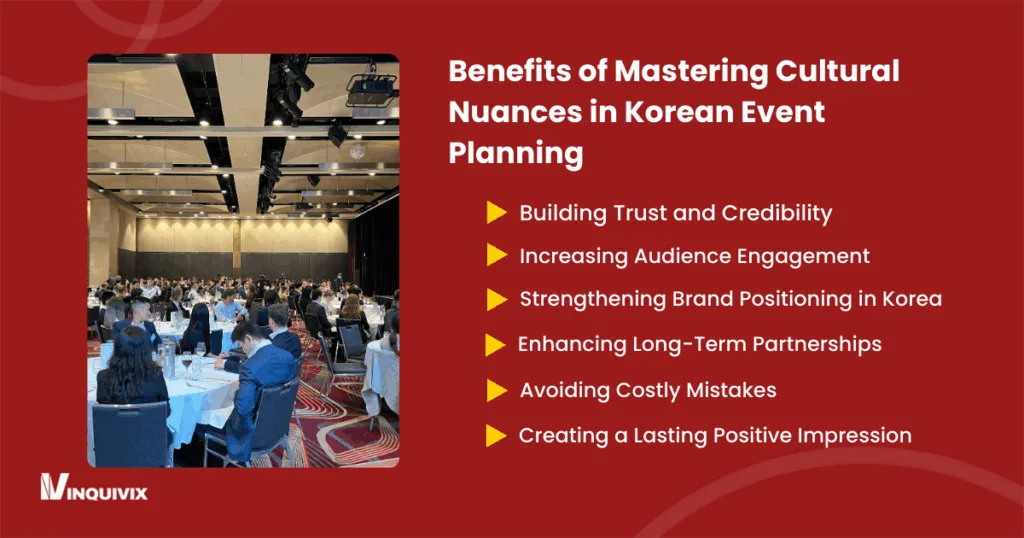
For foreign brands, cultural sensitivity is more than just a courtesy; it’s a competitive advantage. By understanding and applying the principles of Korean event planning, companies can strengthen relationships, enhance audience engagement, and establish themselves as credible players in Korea’s business landscape. Below are the key benefits of mastering cultural nuances in events.
Building Trust and Credibility
Korean business culture places a strong emphasis on trust and long-term relationships. When foreign brands demonstrate cultural awareness through respectful greetings, proper acknowledgment of hierarchy, and attention to local etiquette, they signal reliability and professionalism. This cultural alignment builds credibility, making Korean partners more likely to collaborate on future projects.
Increasing Audience Engagement
Events tailored to local customs and preferences create a sense of familiarity and comfort for attendees, fostering a more engaging experience. From symbolic design choices to hospitality standards, aligning with Korean expectations encourages stronger participation and interaction. A well-planned event not only draws attention but also leaves attendees with a positive emotional connection to the brand.
Strengthening Brand Positioning in Korea
In a competitive market, foreign companies often face the challenge of standing out. By incorporating cultural sensitivity into event planning in Korea, brands differentiate themselves as respectful and adaptable. This strengthens the brand’s reputation and positions it as a serious contender that understands and values the Korean market.
Enhancing Long-Term Partnerships
Korean businesses value loyalty and consistency. Brands that consistently show respect for local traditions are more likely to be invited into networks of trust, leading to repeat collaborations. Successful events can open doors to joint ventures, strategic alliances, and stronger client relationships over the long term.
Avoiding Costly Mistakes
Missteps in etiquette, such as mishandling seating arrangements or overlooking symbolic details, can lead to reputational damage and strained partnerships. Mastering cultural nuances prevents these errors, saving brands from costly setbacks while ensuring smoother event execution.
Creating a Lasting Positive Impression
An event that blends Korean traditions with modern innovation leaves a memorable impact on guests. This positive impression extends beyond the event itself, influencing how the brand is perceived in Korea’s broader business community. Cultural mastery turns events into powerful brand-building tools.
How Inquivix Helps Foreign Brands Navigate Korean Event Management

Mastering cultural nuances can feel overwhelming for foreign companies entering Korea’s dynamic market. From navigating Korean business culture to ensuring flawless execution, every detail matters. That’s where Inquivix comes in. As a leading digital marketing and event management partner in Korea, we specialize in bridging the gap between international brands and Korean audiences.
Expertise in Korean Market Insights
Our team understands the cultural, social, and business dynamics that influence event planning in Korea. We guide brands through every stage, ensuring strategies align with Korean expectations while maintaining your global identity.
End-to-End Event Management Solutions
From venue selection and vendor coordination to cultural consulting and guest experience design, Inquivix provides comprehensive Korean event management services. We focus on both the logistical and artistic elements that drive event success.
Seamless Cross-Cultural Communication
Language and etiquette barriers often complicate events for foreign brands. Our bilingual experts facilitate smooth communication between your team, local vendors, and attendees, minimizing misunderstandings and ensuring your brand message is delivered clearly.
Customized Strategies for Foreign Brands
No two events are alike, and neither are the needs of international companies. We create customized event strategies that balance cultural traditions with modern innovation, helping your brand resonate with Korean audiences on a deeper level.
Your Partner for Long-Term Success in Korea
At Inquivix, we don’t just manage events, we build relationships. By aligning your brand with Korean cultural values, we help you establish credibility, foster trust, and unlock long-term business opportunities in Korea’s competitive market through our event management service.
Ready to host an unforgettable event in Korea? Partner with Inquivix and let our experts handle the complexities of cultural nuances, logistics, and execution, so your brand can focus on making a lasting impact.