Korean Trade Show & Exhibition Management: How to Stand Out
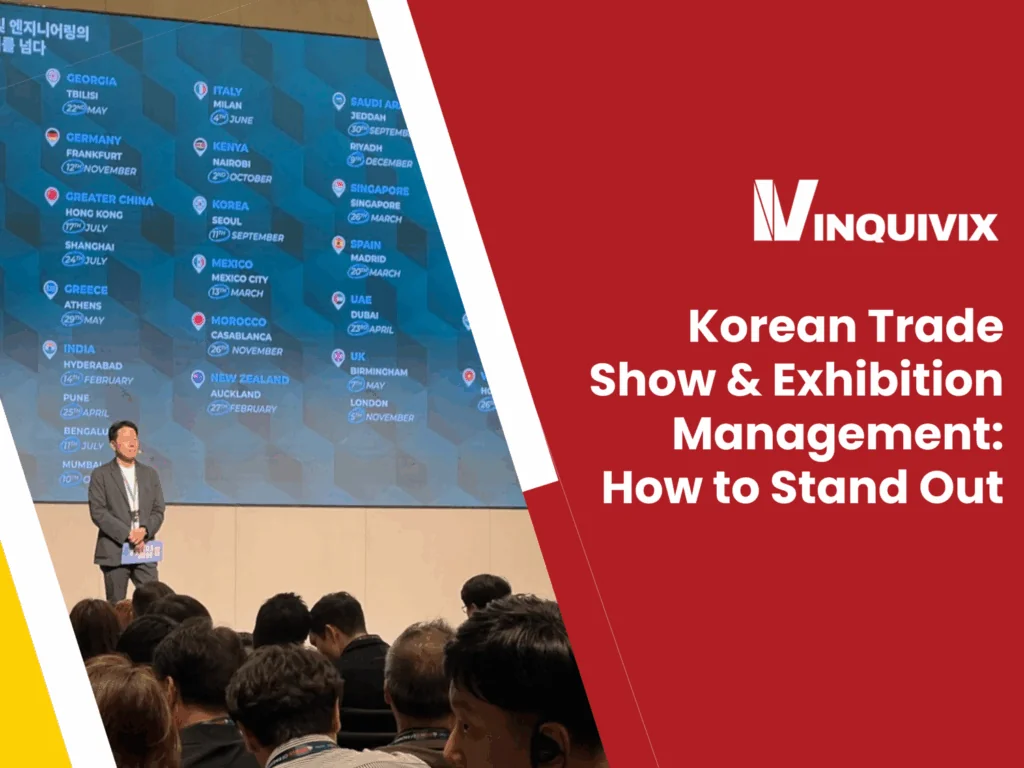
Trade shows and exhibitions remain one of the most powerful platforms for businesses to connect, showcase, and expand in today’s competitive market, and Korea is no exception. With its fast-growing economy, advanced technology sectors, and dynamic consumer culture, Korea hosts some of the most influential trade shows in Asia. However, navigating this environment requires more than simply booking a booth. Effective Korean trade show management is essential to ensure that businesses not only participate but also stand out in front of the right audience. From planning and logistics to booth design and localized marketing, success lies in understanding the unique dynamics of Korea’s exhibition landscape.
Understanding the Trade Show Landscape in Korea
Korea has become one of Asia’s most dynamic hubs for international trade shows and exhibitions, attracting both global corporations and local businesses eager to expand their reach. With its strategic location, highly connected economy, and reputation as a trendsetter in industries such as technology, beauty, fashion, and entertainment, Korea provides fertile ground for meaningful business engagement. To succeed, businesses need to understand the structure, scale, and characteristics of the Korean trade show environment.
Growth of Trade Shows in Korea
Over the past two decades, Korea’s exhibition industry has experienced remarkable growth. Driven by government support and the country’s position as a leader in innovation, trade shows now span multiple sectors, including ICT, manufacturing, healthcare, cosmetics, and even cultural industries such as K-pop and film. For foreign companies, these events serve not only as an entry point into the Korean market but also as a gateway to the broader Asian region.
Key Venues and Cities for Exhibitions
The majority of major exhibitions in Korea are concentrated in key cities that are equipped with world-class facilities:
- Seoul: Home to COEX and KINTEX, Seoul is the center of Korea’s business exhibitions, hosting global-scale events across multiple industries.
- Busan, with BEXCO as its main exhibition hall, attracts international audiences, particularly those in industries related to shipping, logistics, and cultural events.
- Other Hubs: Cities like Daegu and Gwangju also host regional trade shows, often focused on specialized industries such as textiles and renewable energy.
Types of Trade Shows in Korea
Korean exhibitions vary in scale and audience, offering opportunities for businesses of all sizes:
- B2B Exhibitions: Focused on connecting companies with potential partners, distributors, and suppliers, often in industries like manufacturing, ICT, and healthcare.
- B2C Expos: Consumer-facing events where businesses can directly engage with Korean audiences, particularly effective for beauty, fashion, and lifestyle brands.
- International Expos: Large-scale exhibitions designed to attract foreign participants and buyers, offering global networking opportunities.
- Local Business Fairs: Regional events that support small and medium-sized enterprises (SMEs), ideal for testing products and services in niche markets.
Understanding this landscape is the first step toward building a successful exhibition strategy. By identifying the right venue, audience, and type of event, businesses can maximize their exposure and lay the groundwork for lasting success in Korea’s competitive marketplace.
Why Exhibition Management in Korea Matters
Participating in trade shows is more than just showing up with a booth; it requires a clear strategy, careful planning, and flawless execution. Korea’s exhibition industry is highly competitive and fast-paced, which means businesses must go beyond basic participation to make a lasting impression. Professional exhibition management in Korea plays a vital role in helping both foreign and domestic companies maximize their return on investment and build strong relationships within the market.
Complexities of Organizing Trade Shows in Korea
The Korean exhibition environment comes with unique challenges that can be difficult to navigate without local expertise. Regulatory compliance, venue requirements, and logistical coordination can be complex, particularly for foreign businesses unfamiliar with the system. Language and cultural barriers also add an extra layer of difficulty. Without professional guidance, companies risk miscommunication, delays, or missed opportunities at critical Korea business exhibitions.
Benefits of Professional Exhibition Management
Partnering with experienced exhibition management teams ensures a smooth process from start to finish. Skilled managers handle the operational details, such as booth design, event registration, and on-site coordination, allowing companies to focus on networking and business development. More importantly, local experts bring cultural understanding and market insights that help tailor presentations and experiences to resonate with Korean audiences. This level of preparation and professionalism can be the difference between blending into the crowd and standing out as a credible, memorable brand.
Maximizing ROI Through Strategic Participation
Trade shows and exhibitions represent a significant investment of time and resources. Without proper planning, the results may fall short of expectations. Effective exhibition management ensures that every element, from pre-event marketing campaigns to post-event follow-up, is designed to generate qualified leads, strengthen brand visibility, and create long-term business opportunities. In a marketplace as vibrant and competitive as Korea’s, this strategic approach is what transforms trade show participation into measurable growth.
By prioritizing strong exhibition management practices, businesses can unlock the full potential of Korea business exhibitions, positioning themselves for success in one of Asia’s most dynamic markets.
Benefits of Participating in Trade Shows in Korea
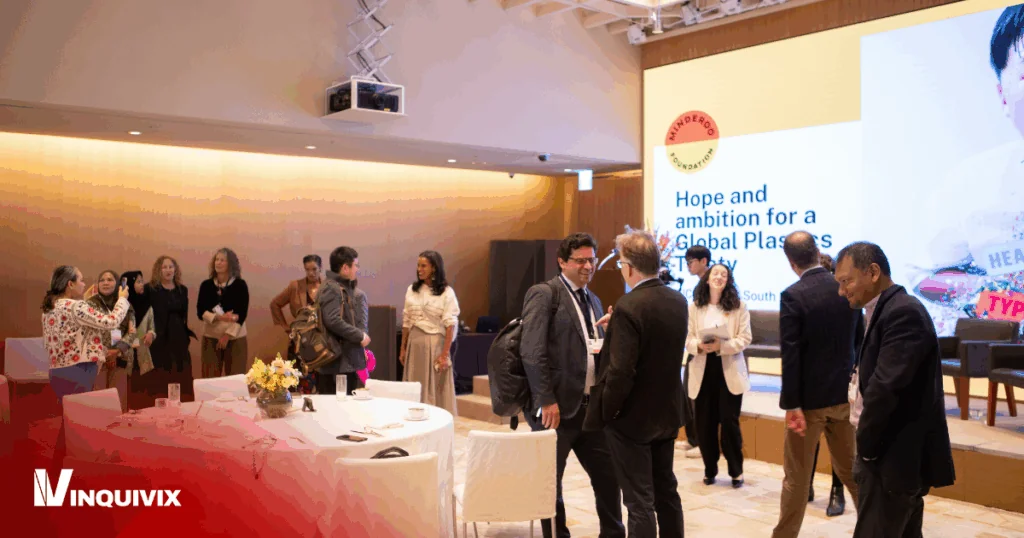
Korea is recognized as one of Asia’s most vibrant business hubs, and its trade shows play a key role in driving industry growth and fostering international collaboration. Participating in these events opens doors to opportunities that extend beyond immediate sales and marketing benefits. From networking with industry leaders to testing market readiness, the benefits of engaging in Korean exhibitions are numerous. If you are a foreign company entering the market or a local brand looking to scale, trade shows in Korea provide a platform for meaningful business development.
Business Exposure and Networking
One of the most significant advantages of attending Korean trade shows is the opportunity to expose oneself to a highly targeted audience directly. Exhibitors gain access to potential buyers, partners, and investors who are actively seeking new products and services. In Korea’s close-knit business environment, face-to-face interactions remain a crucial means of building trust and fostering long-term partnerships. Networking at exhibitions can lead to collaborations, distribution agreements, and even international expansions.
Market Entry Opportunities for Foreign Brands
For foreign companies, Korea serves as both a lucrative market and a stepping stone to the rest of Asia. Trade shows allow international brands to introduce their products to Korean consumers while testing their competitiveness in the market. Exhibitions provide real-time feedback on product appeal, pricing, and positioning, insights that are invaluable for shaping a localized market entry strategy. Participating in these events also enhances brand credibility, as Korean audiences often value companies that actively engage in the local business community.
Scaling Opportunities for Korean Businesses
For domestic brands, trade shows offer a platform to demonstrate their growth potential and readiness for global markets. Korean businesses can showcase their innovation and capabilities to international buyers, strengthening their reputation as world-class competitors. Participating in exhibitions also allows local companies to stay ahead of industry trends, discover new technologies, and explore opportunities for scaling through export or partnerships.
Strengthening Brand Visibility and Recognition
Trade shows are not just about transactions; they are about visibility. In crowded markets where competition is intense, exhibitions allow businesses to stand out through creative booth designs, product demonstrations, and interactive experiences. With the right strategy, brands can leave a lasting impression on attendees, boosting recognition and reinforcing their market position.
By participating in trade shows in Korea, businesses can unlock opportunities that go far beyond the exhibition floor. From expanding networks to entering new markets, the benefits are tangible, long-lasting, and vital for sustainable growth in today’s global economy.
Strategies to Stand Out at Trade Shows in Korea
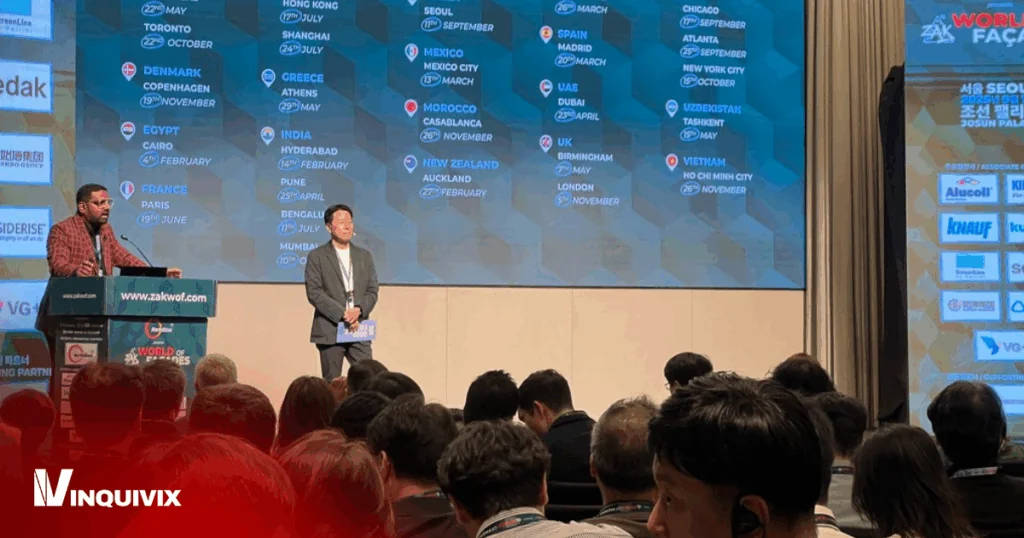
Korea’s trade show environment is highly competitive, with hundreds of exhibitors often vying for the attention of the same audience. Simply showing up with a booth is no longer enough; brands must actively find ways to distinguish themselves and create memorable experiences for attendees. By combining strong branding, cultural sensitivity, and innovative marketing, businesses can elevate their presence and maximize the impact of their participation.
Localized Marketing Approaches
Marketing in Korea requires more than just translation; it demands localization. Companies that adapt their messaging to fit Korean cultural nuances and consumer expectations build stronger connections with visitors. For example, using Korean language branding, culturally relevant visuals, and promotional materials tailored to local preferences makes an immediate impact. Additionally, digital integration is critical: leveraging platforms like KakaoTalk, Naver, and Instagram, which dominate the Korean digital landscape, can significantly boost pre-event awareness and drive traffic to the booth during the exhibition.
Exhibition Booth Design & Experience
Booth presentation plays a crucial role in attracting and retaining visitors’ interest. Korean audiences value modern, interactive, and visually engaging experiences. Incorporating technology-driven elements such as VR demonstrations, AR product showcases, or interactive touchscreens can set a booth apart from the competition. At the same time, design aesthetics should strike a balance between functionality and cultural appeal, clean layouts, open spaces, and hospitality elements like refreshments or giveaways often resonate well with Korean attendees.
Pre-Event & Post-Event Engagement
The most successful exhibitors view trade shows as part of a larger marketing cycle rather than a standalone event. Pre-event campaigns help build anticipation, which can be achieved through email marketing, targeted social media promotions, or even early invitations to potential buyers. During the event, consistent branding and active engagement are key. After the exhibition, following up with leads quickly is essential for turning contacts into long-term clients. Personalized thank-you notes, digital brochures, or scheduled post-event meetings ensure that conversations don’t end when the show does.
Strategic Partnerships and Sponsorships
Collaborations with local partners, associations, or even Korean influencers can provide added credibility and extend reach. For example, co-hosting a booth with a local distributor or sponsoring a seminar within the exhibition can draw additional visibility. Strategic partnerships also demonstrate commitment to the Korean market, which builds trust among both B2B and B2C audiences.
Highlighting Unique Value Propositions
At the heart of standing out is a brand’s ability to clearly communicate what makes it different. It can be innovative technology, premium product quality, or global expertise; companies must craft a concise and compelling message that resonates with Korean buyers. Demonstrations, storytelling, and real-world case studies can reinforce this value and leave a lasting impression.
By combining these strategies, businesses can transform their participation in Korean exhibitions from a passive presence to an active growth opportunity. Standing out requires creativity, cultural understanding, and consistent execution, but the payoff is increased visibility, stronger connections, and greater long-term success.
Best Practices in Korean Trade Show Management
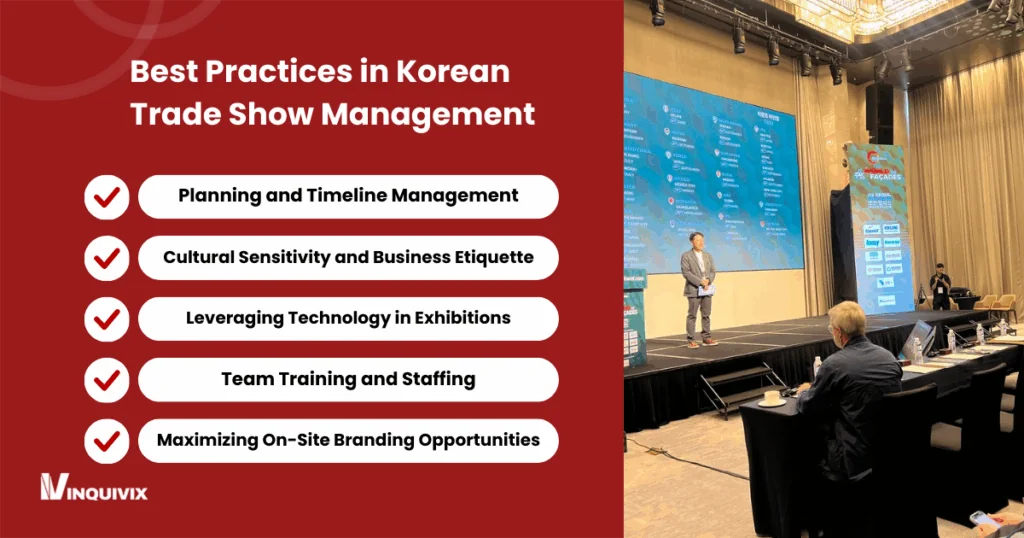
Exhibiting in Korea requires a mix of strategic planning, cultural awareness, and flawless execution. Businesses that treat trade shows as a holistic marketing and networking opportunity, rather than just an event, gain a significant edge. By following best practices tailored to Korea’s unique business culture and exhibition environment, companies can ensure their participation is not only successful but also sustainable for long-term growth.
Planning and Timeline Management
Effective trade show management starts with early preparation. Major exhibitions in Korea often fill up quickly, so securing booth space six to twelve months in advance is highly recommended. During this time, businesses should also align their goals, such as lead generation, brand visibility, or partnership development, and craft an exhibition strategy that reflects these objectives. Creating a detailed timeline that includes marketing, logistics, staff training, and post-event follow-up ensures no aspect is overlooked.
Cultural Sensitivity and Business Etiquette
Korea’s business culture places strong emphasis on respect, hierarchy, and formality. Exhibitors who understand and follow local etiquette are more likely to build lasting business relationships. Simple practices such as greeting visitors with a polite bow, exchanging business cards with both hands, and maintaining a respectful tone during presentations can make a powerful impression. Offering small gifts or souvenirs, an accepted practice in Korean business culture, can also help strengthen connections with potential partners and clients.
Leveraging Technology in Exhibitions
Korean audiences are highly tech-savvy, and exhibitions often reflect this trend. Incorporating digital tools such as online registration systems, mobile apps, or QR codes for instant product downloads enhances visitor engagement and streamlines information sharing. Interactive technologies, such as VR and AR, can create memorable product experiences, while hybrid event platforms enable companies to connect with both in-person and virtual attendees. By leveraging technology, exhibitors can showcase innovation and appeal to Korea’s forward-thinking market.
Team Training and Staffing
The success of an exhibition often depends on the people representing the brand. Staff members should be well-trained not only in product knowledge but also in Korean communication styles and cultural expectations. Having bilingual staff or interpreters on-site ensures smooth conversations with both local and international visitors. Professionalism, approachability, and the ability to engage effectively can significantly influence the impression a company leaves behind.
Maximizing On-Site Branding Opportunities
Beyond the booth, many exhibitions in Korea offer branding opportunities through sponsorships, speaking engagements, or side events. Businesses should take advantage of these options to extend their reach beyond foot traffic. Hosting product demonstrations, sponsoring seminars, or joining panel discussions positions a company as a thought leader and creates additional touchpoints with target audiences.
By adhering to these best practices in Korean trade show management, businesses can ensure their participation is efficient, culturally appropriate, and impactful. The right combination of preparation, cultural awareness, and innovation not only enhances exhibition performance but also builds long-term credibility in the Korean market.
Challenges and How to Overcome Them
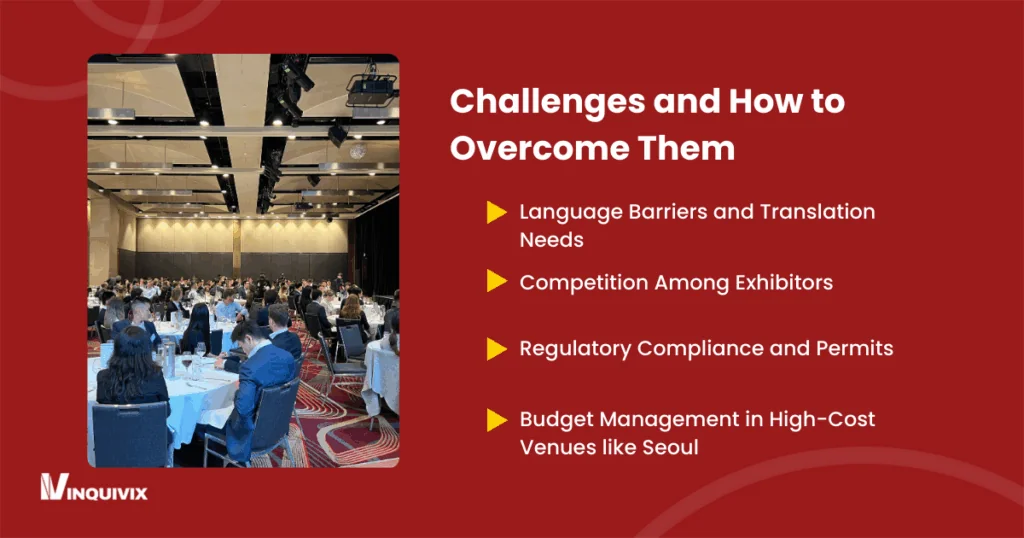
While the opportunities are vast, participating in trade shows in Korea also comes with unique challenges that businesses must be prepared to face. From cultural nuances to high competition, these obstacles can significantly impact the outcome of an exhibition if not adequately addressed. Understanding these challenges and planning for them is a critical part of effective exhibition management in Korea.
Language Barriers and Translation Needs
Korean is the primary language spoken at most Korean business exhibitions, and while English may be used in international events, relying solely on it can limit effective communication. Misunderstandings during product demonstrations or business negotiations can result in missed opportunities.
How to overcome it: Hire bilingual staff or professional interpreters, and prepare all marketing materials in both Korean and English. This not only bridges communication gaps but also demonstrates respect for the local audience.
Competition Among Exhibitors
Korean trade shows are often packed with domestic and international exhibitors, all competing for the attention of visitors. Standing out in such an environment is a significant challenge, especially for newcomers unfamiliar with local preferences.
How to overcome it: Focus on creating a strong value proposition supported by localized booth design and interactive experiences. Pre-event digital campaigns can also drive targeted traffic to your booth and help you stand out from competitors.
Regulatory Compliance and Permits
Korea has strict regulations governing exhibitions, from booth construction safety standards to advertising guidelines. For foreign businesses, navigating these rules without local expertise can be a daunting task.
How to overcome it: Partner with local exhibition management agencies or event organizers who understand compliance requirements. This ensures that all permits and procedures are handled smoothly, avoiding last-minute disruptions.
Budget Management in High-Cost Venues like Seoul
Premium venues, such as COEX and KINTEX in Seoul, are in high demand, and costs can escalate quickly when factoring in booth space, staffing, logistics, and marketing expenses. Without careful planning, businesses may overspend without achieving desired outcomes.
How to overcome it: Establish a clear budget from the start, prioritize spending on high-impact activities, and consider alternative venues or regional trade shows for more cost-effective participation. Leveraging digital and hybrid strategies can also extend reach without significant additional expense.
By anticipating these challenges and addressing them proactively, businesses can confidently navigate trade shows in Korea. Effective exhibition management in Korea ensures that obstacles become opportunities, turning potential risks into stepping stones toward long-term success.
The Future of Trade Shows and Exhibitions in Korea
The Korean exhibition industry continues to evolve in response to global business trends, technological advancements, and shifting consumer behaviors. For both foreign and domestic companies, understanding these changes is essential for long-term success. As the trade show landscape in Korea becomes increasingly dynamic, businesses that adapt early will be best positioned to capitalize on their opportunities.
Shift Toward Hybrid and Virtual Exhibitions
The pandemic accelerated the adoption of digital platforms, and hybrid formats are now becoming a standard feature of exhibitions in Korea. These events combine physical participation with virtual access, enabling international attendees to engage without the need for travel. For businesses, hybrid trade shows expand reach, lower costs, and create more flexible engagement opportunities. Virtual product demonstrations, live-streaming, and interactive online booths are expected to remain integral to future exhibitions.
Growing Demand for Eco-Friendly and Sustainable Exhibitions
Sustainability has become a priority across industries in Korea, and exhibitions are no exception. Organizers are increasingly adopting eco-friendly practices, such as reducing the use of single-use materials, utilizing energy-efficient lighting, and promoting digital brochures over printed handouts. Exhibitors that align with these values not only contribute to sustainability but also strengthen their brand image with environmentally conscious audiences.
Increasing International Participation
Korea’s position as a global innovation hub is attracting an increasing number of international exhibitors and visitors each year. From technology to cosmetics, Korean business exhibitions are becoming platforms where global players converge to exchange ideas and establish partnerships. This trend provides Korean companies with greater exposure to international markets, while foreign businesses gain direct access to Korea’s highly influential consumer base.
Technology-Driven Experiences
As a tech-forward nation, Korea is at the forefront of integrating advanced technologies into exhibitions. From AI-powered matchmaking platforms that connect exhibitors with relevant visitors to immersive AR/VR demonstrations, technology will continue to redefine how businesses engage with audiences. This trend not only enhances visitor experience but also provides exhibitors with valuable data and insights for refining their strategies.
Personalized and Data-Driven Engagement
The future of exhibitions in Korea will also place a stronger emphasis on personalization. Attendees expect tailored experiences that meet their specific interests. Event organizers are increasingly using data analytics, AI, and digital platforms to track visitor behavior and deliver customized recommendations. Exhibitors who leverage these tools will be able to connect more effectively with potential partners and customers.
The future of exhibitions in Korea is bright, offering innovative ways for businesses to showcase their value and build connections. By embracing hybrid formats, sustainability, and technology-driven engagement, companies can ensure they remain ahead of the curve in one of Asia’s most influential markets.
How Inquivix Supports Trade Show & Exhibition Management in Korea
Succeeding at Korea business exhibitions requires more than just participation, it demands strategy, execution, and local expertise. At Inquivix, we specialize in helping both international and domestic businesses maximize their trade show presence by delivering tailored solutions that align with Korea’s unique exhibition landscape. Our approach ensures that every stage of the process is handled with precision, allowing our clients to focus on building meaningful connections and driving growth.
End-to-End Planning and Execution
From initial strategy to on-site management, Inquivix provides comprehensive support for trade show participation. We help businesses identify the right exhibitions, secure booth space, and manage all logistical details. This ensures smooth execution and allows companies to present themselves professionally in highly competitive environments.
Localized Marketing and Digital Integration
Marketing in Korea requires a deep understanding of local platforms and consumer behaviors. Inquivix leverages KakaoTalk, Naver, Instagram, and other local channels to generate pre-event buzz and attract the right audience. Our localized strategies ensure that your brand resonates with Korean buyers and partners while maintaining consistency with your global identity.
Branding, Booth Design, and On-Site Support
We work closely with businesses to create booth designs that stand out and deliver engaging visitor experiences. From interactive displays to culturally relevant branding, our designs are tailored to capture attention in crowded exhibition halls. On-site, our team provides bilingual support and staff coordination, ensuring seamless communication with Korean and international attendees.
Post-Event Follow-Up and Lead Management
The value of a trade show lies in what happens after the event. Inquivix helps businesses follow up with leads through targeted campaigns, personalized communications, and ongoing relationship management. This ensures that the connections made during the exhibition translate into long-term opportunities and measurable ROI.
At Inquivix, our mission is to empower businesses to succeed in exhibition and event management in Korea by combining global expertise with local insights. Suppose you are a foreign brand entering the Korean market for the first time or a domestic company looking to expand globally. In that case, we provide the strategy and execution needed to make your trade show participation a success.
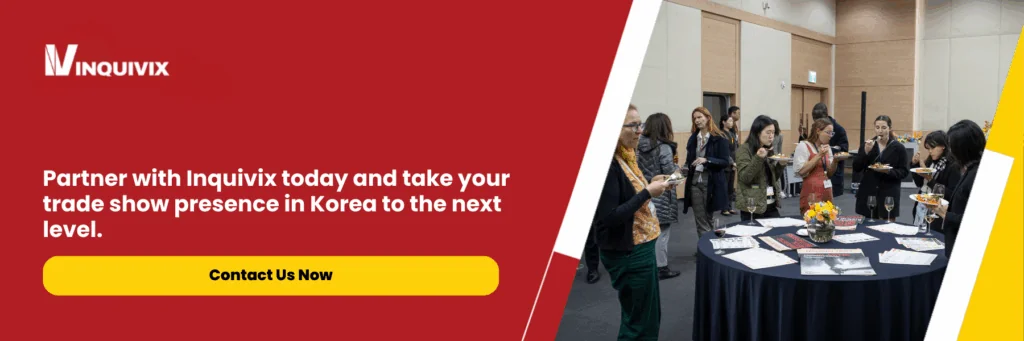
Partner with Inquivix today and take your trade show presence in Korea to the next level.