Kakao Pay vs. Naver Pay: Which Payment System Dominates Korea?
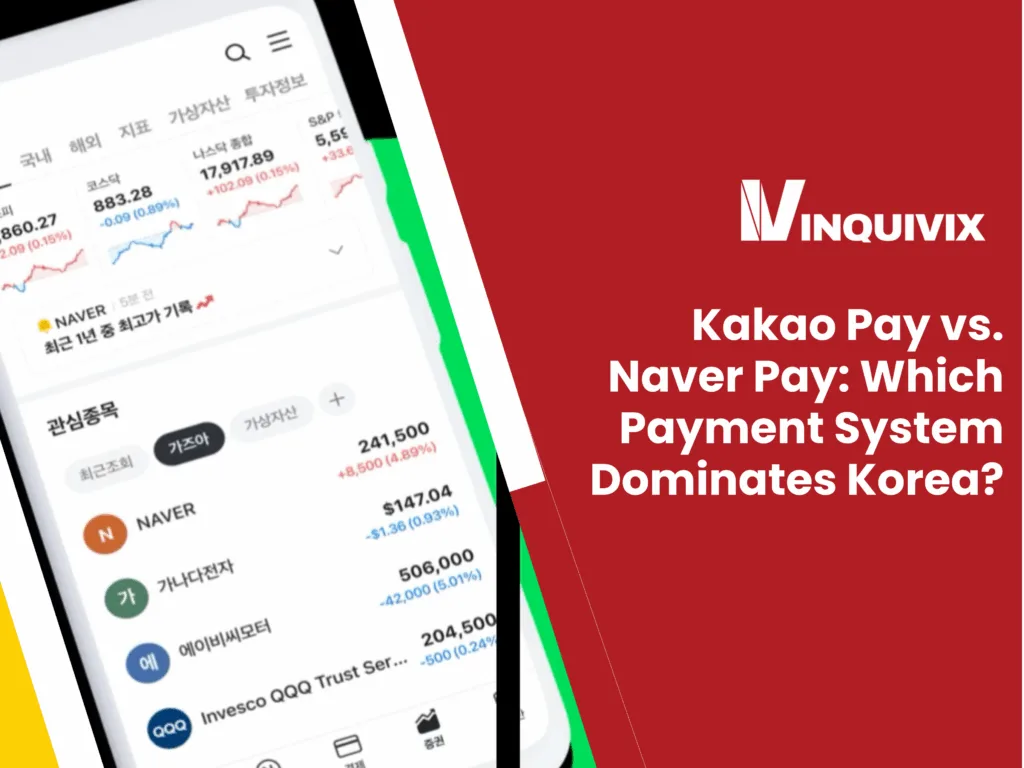
South Korea is a global leader in digital innovation, and its mobile payment ecosystem is a notable example of this. Among the many options available, Kakao Pay vs Naver Pay stands out as the most popular comparison for both locals and foreign users seeking convenient, secure, and efficient payment solutions. While both platforms dominate the market, they each bring unique features, loyalty programs, and ecosystem integrations that influence user preferences. Understanding the differences between these two payment systems is crucial for businesses seeking to cater to Korean consumers and for individuals navigating the country’s rapidly evolving cashless society.
The Rise of Mobile Payments in South Korea

South Korea has rapidly transformed into a cashless society, with mobile payments becoming an integral part of everyday life. From buying coffee and groceries to paying utility bills, mobile payment apps are now a standard part of consumer behavior. In 2024, more than 75% of online transactions in Korea occur via mobile devices, reflecting the country’s tech-savvy population and advanced digital infrastructure.
Among the various options available, Kakao Pay and Naver Pay have emerged as the dominant players. Both platforms have leveraged South Korea’s high smartphone penetration and the popularity of their respective ecosystems, KakaoTalk for Kakao Pay and Naver’s search and shopping platforms for Naver Pay, to gain a massive user base.
The rise of these mobile payment systems has not only simplified transactions for consumers but also created new opportunities for businesses. Companies that integrate Kakao Pay or Naver Pay can tap into a broader audience, streamline checkout experiences, and offer loyalty rewards that encourage repeat usage. Understanding the evolution and impact of these platforms is crucial for anyone seeking to navigate South Korea’s rapidly digitalizing economy.
Market Share and User Base
Understanding the market presence of Kakao Pay Korea and Naver Pay Korea is essential for businesses and consumers navigating South Korea’s digital payment landscape. These two platforms dominate the mobile payment sector, shaping the way Koreans make purchases both online and offline. As cashless transactions continue to grow, the competition between these leading Korean payment apps highlights the importance of user adoption, convenience, and ecosystem integration.
Kakao Pay Korea – User Base and Reach
Kakao Pay Korea has established itself as one of the most widely used mobile payment apps in the country, capitalizing on the popularity of KakaoTalk, South Korea’s leading messaging platform. With over 40 million registered users, Kakao Pay allows seamless peer-to-peer transfers, in-app payments, and QR code transactions at participating merchants. Its deep integration with KakaoTalk means that users can send money, pay bills, or shop online without leaving the app, providing a convenient all-in-one solution for daily transactions.
Naver Pay Korea – User Base and Reach
Naver Pay Korea has also gained substantial traction, with more than 30 million users actively utilizing its services as part of the Naver ecosystem, which includes Korea’s largest search engine and e-commerce platform. Naver Pay benefits from seamless integration with online shopping, content platforms, and Naver’s loyalty programs. This allows users to earn points, enjoy cashback offers, and complete transactions efficiently, both online and in-store, making it a powerful competitor in the mobile payment sector.
Comparing the Two – Market Penetration and Usage Trends
While Kakao Pay Korea dominates in messaging-based peer-to-peer payments, Naver Pay Korea excels in e-commerce and online shopping integrations. Both platforms collectively capture the majority of South Korea’s mobile payment market, reflecting the high adoption rates of Korean payment apps across different demographics. Businesses considering entering the Korean market or expanding their digital payment options must evaluate which platform aligns better with their target audience and operational needs.
Core Features Comparison of Kakao Pay vs Naver Pay
When choosing between Kakao Pay Korea and Naver Pay Korea, understanding the core features of each platform is essential. Both apps offer a range of services that go beyond simple payments, integrating with their respective ecosystems to provide convenience, rewards, and financial tools. This section breaks down the key differences and similarities between these two leading Korean payment apps.
Payment Methods
- Kakao Pay Korea: Offers versatile payment options, including QR code payments at retail stores, in-app purchases, and peer-to-peer transfers through KakaoTalk. Users can link bank accounts or credit/debit cards to facilitate smooth and instant transactions. The integration with KakaoTalk makes sending money as easy as sending a message, significantly contributing to its widespread adoption.
- Naver Pay Korea: Specializes in seamless online transactions, especially for e-commerce. Users can make QR code payments at participating stores, complete checkouts on Naver Shopping, and store multiple cards for fast and secure payments. The platform’s strong ties to Naver’s ecosystem make it particularly convenient for online shoppers.
Loyalty and Rewards Programs
- Kakao Pay Korea: Provides cashback, discount offers, and loyalty rewards through integration with other Kakao services. Users can earn points on specific transactions, which can be redeemed within the Kakao ecosystem, including KakaoTalk, Kakao Games, and affiliated merchants.
- Naver Pay Korea: Offers a robust rewards system, giving users Naver Points for every transaction. Naver Plus membership further enhances this with higher cashback rates and exclusive offers, particularly for frequent users of Naver Shopping and its affiliated platforms. These incentives encourage continued usage and increase customer retention.
Financial Services and Tools
- Kakao Pay Korea: Goes beyond payments with features like mobile banking, investment management, insurance comparisons, and a Kakao Pay debit card. Users can monitor spending, manage finances, and invest directly from the app, making it a comprehensive digital financial platform.
- Naver Pay Korea: Offers financial tools including money transfers, Buy Now, Pay Later (BNPL) services, and insurance comparisons. While its focus is on facilitating transactions within the Naver ecosystem, it also offers budgeting features and financial summaries to help users track their spending.
Ecosystem Integration
- Kakao Pay Korea: Deeply integrated with KakaoTalk, Kakao Friends, and other Kakao services, creating a seamless experience for users who already rely on these platforms. This integration simplifies peer-to-peer payments, bill splitting, and in-app purchases.
- Naver Pay Korea: Strongly connected to Naver’s search engine, shopping platform, and content services. This feature enables users to make payments effortlessly across Naver Shopping, Naver Webtoon, and affiliated stores, thereby enhancing convenience for online consumers.
Integration with Ecosystems
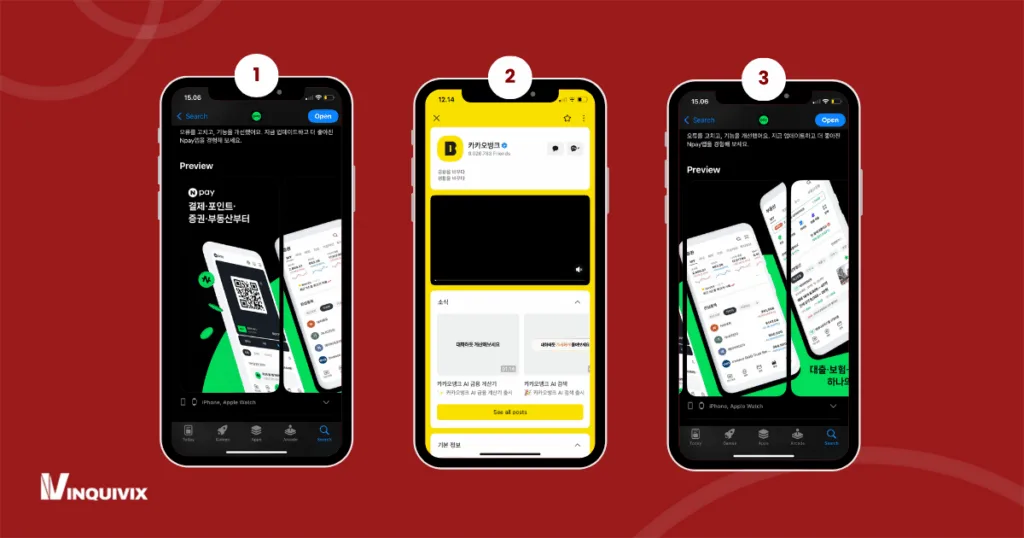
One of the key reasons Kakao Pay Korea and Naver Pay Korea have become dominant Korean payment apps is their seamless integration with their respective digital ecosystems. These integrations enhance user convenience, encourage platform loyalty, and create an all-in-one experience that goes beyond basic payments. Understanding how each platform fits into its ecosystem is crucial for businesses and users looking to maximize their digital payment experience in South Korea.
Kakao Pay Korea and the Kakao Ecosystem
Kakao Pay is deeply embedded within the Kakao ecosystem, particularly through KakaoTalk, South Korea’s most popular messaging app. This integration allows users to:
- Send and receive money instantly via chat.
- Split bills with friends or groups effortlessly.
- Make in-app purchases across Kakao Games, Kakao T (transportation), and other Kakao services.
By being part of an ecosystem that millions of Koreans use daily, Kakao Pay benefits from high engagement and frequent transactions, creating a network effect that strengthens user retention.
Naver Pay Korea and the Naver Ecosystem
Naver Pay’s integration is focused on Naver’s search engine, shopping platforms, and content services. Users can:
- Pay seamlessly while shopping on Naver Shopping.
- Earn points for transactions that can be used across Naver services.
- Access content like Naver Webtoon and Naver Cafe with payment integration.
This ecosystem-centric approach makes Naver Pay particularly attractive to users who are already engaged in Naver’s online platforms, enabling a smooth, end-to-end digital experience.
Business Implications of Ecosystem Integration
For businesses, understanding ecosystem integration is critical. Companies that target Korean consumers can benefit by:
- Accepting Kakao Pay for in-store or peer-to-peer transactions
- Integrating Naver Pay for e-commerce purchases and online loyalty programs
By leveraging these ecosystems, businesses can enhance customer convenience, increase transaction volume, and foster stronger relationships with Korean consumers, who expect seamless, app-based payment experiences.
Security and User Experience
Security and ease of use are crucial factors for the success of any mobile payment app, especially in South Korea’s rapidly growing cashless economy. Both Kakao Pay Korea and Naver Pay Korea prioritize protecting user data while delivering a seamless, intuitive experience. For consumers and businesses alike, these factors influence adoption rates and overall trust in Korean payment apps.
Kakao Pay Korea – Security Measures
Kakao Pay employs multiple layers of security to safeguard user transactions:
- Biometric authentication: Users can authorize payments using fingerprint or facial recognition.
- End-to-end encryption: Ensures that transaction data remains private and secure.
- Transaction alerts: Real-time notifications for every payment help users monitor activity and detect unauthorized use.
These features make Kakao Pay not only convenient but also reliable for both everyday peer-to-peer transfers and larger financial transactions.
Naver Pay Korea – Security Measures
Naver Pay takes a similarly robust approach to security:
- Multi-factor authentication requires additional verification, such as one-time passwords (OTPs), for sensitive transactions.
- Secure payment gateways: Protect sensitive financial information during online purchases.
- Fraud detection: Continuous monitoring to identify and prevent suspicious activities.
By combining advanced security with seamless integration across the Naver ecosystem, Naver Pay provides users with confidence when shopping online or making in-store payments.
User Experience and Ease of Use
Both platforms focus on minimizing friction in the payment process:
- Kakao Pay Korea: Users enjoy quick, intuitive transactions directly through KakaoTalk, with options to send money to friends, pay bills, or shop within the app.
- Naver Pay Korea: Provides a smooth checkout experience across Naver Shopping and affiliated services, with saved cards and rewards points enhancing convenience.
Overall, the combination of robust security protocols and user-friendly interfaces has enabled both Kakao Pay and Naver Pay to maintain high engagement and loyalty among Korean consumers, solidifying their positions as leading Korean payment apps.
Make the Most of Korea’s Leading Payment Platforms

Navigating the world of Kakao Pay Korea and Naver Pay Korea doesn’t have to be complicated. By understanding the unique features, user bases, and ecosystem integrations of these Korean payment apps, businesses and consumers can make more intelligent choices that enhance convenience and engagement. Whether your goal is to streamline transactions, boost online sales, or expand your reach in the Korean market, leveraging the right payment platform is key.
At Inquivix, we specialize in helping international businesses successfully integrate with Korea’s digital ecosystem, including mobile payment solutions like Kakao Pay and Naver Pay. Our team can guide you on choosing the platform that aligns with your audience, optimizing payment workflows, and maximizing your market potential.