Product Launch Events in Korea: Strategies That Drive Buzz
Launching a new product in today’s competitive global market requires more than just a great idea; it demands a powerful introduction that captures attention, builds excitement, and drives conversation. This is especially true in South Korea, one of the world’s most dynamic and trend-driven markets. Product launch events in Korea have become a key strategy for both local and international brands seeking to differentiate themselves, engage their audiences, and establish a strong presence. With Korea’s unique blend of digital innovation, cultural influence, and consumer enthusiasm, well-executed launch events can spark buzz that extends far beyond the event itself, creating long-term brand impact.
Understanding the Korean Market for Product Launches
South Korea is one of the most vibrant and fast-moving markets in Asia, making it both highly attractive and challenging for product launches. To succeed, businesses must understand the unique characteristics of Korean consumers, the cultural influences that drive purchasing decisions, and the expectations around brand experiences. Unlike many markets where traditional advertising dominates, Korea thrives on digital interaction, influencer-driven campaigns, and event marketing that resonates with cultural values. For foreign brands, adapting to these market dynamics is not optional; it’s essential.
Consumer Behavior and Trends
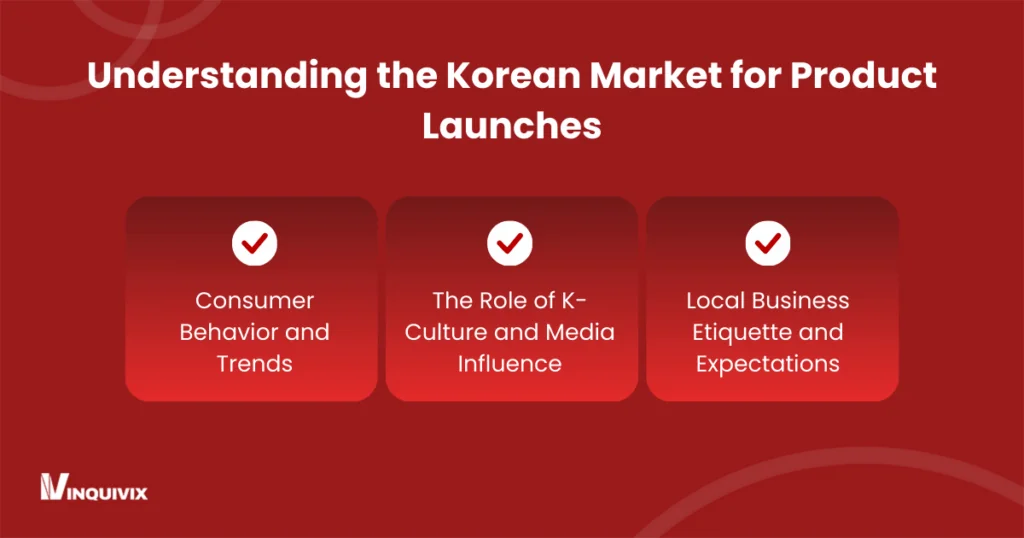
Korean consumers are trend-conscious, tech-savvy, and highly engaged in digital ecosystems. They place significant value on first impressions, making launch events a crucial opportunity to establish credibility. Consumers often follow the latest trends driven by pop culture, and they expect innovation, convenience, and a sense of exclusivity from new products. A successful product launch in Korea requires striking a balance between creativity and authenticity to win over this discerning audience.
The Role of K-Culture and Media Influence
K-pop, K-dramas, fashion, and beauty trends are not just entertainment; they are powerful cultural forces that shape consumer behavior. Foreign and local brands alike leverage this influence by incorporating celebrity endorsements, influencer collaborations, and culturally relevant storytelling in their product launch events. Media coverage, whether through online portals like Naver or viral campaigns on platforms such as Instagram and KakaoTalk, plays a central role in spreading awareness and creating momentum.
Local Business Etiquette and Expectations
Beyond consumer culture, there are important social and business norms to consider. Korean markets place high importance on trust, professionalism, and respect. Businesses entering the Korean market should be prepared to invest time in building relationships with local partners, agencies, and media outlets.
Launch events are often seen not only as marketing opportunities but also as statements of credibility and commitment to the Korean market. By paying attention to cultural etiquette, such as maintaining formality in communication, thoughtful gift-giving, or using local language, brands can foster stronger connections and leave a lasting, positive impression.
Key Features of Successful Product Launch Events in Korea
To capture attention and generate excitement in Korea’s competitive market, product launch events must go beyond a simple presentation. They need to deliver a memorable experience that connects emotionally with the audience, amplifies visibility through digital channels, and aligns with the cultural values of Korean consumers. Whether you are a foreign brand entering the market or a local company looking to scale, incorporating these key features into your event strategy will significantly increase your chances of success.
Venue Selection and Ambience
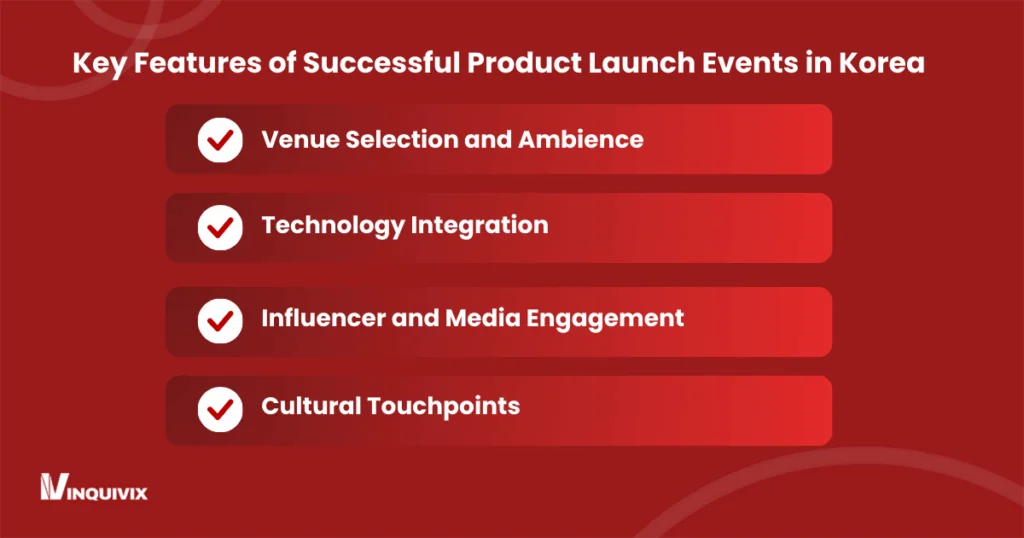
The venue sets the tone for the entire event. In Korea, brands often choose prestigious venues in Seoul, such as luxury hotels, convention centers, or trendy cultural spaces, to project credibility and sophistication. The ambience should reflect the brand’s identity while also appealing to Korean aesthetics, which often emphasize modern, sleek, and immersive designs. Location accessibility is another key factor; an event in a central, well-connected area can drive higher attendance and engagement.
Technology Integration
Korea is one of the world’s most tech-savvy nations, and event audiences expect innovation. Successful product launch events often incorporate interactive technologies, including AR/VR experiences, touchscreen product demonstrations, and immersive digital displays. Live streaming the event on platforms like KakaoTalk, YouTube, and Instagram extends the reach far beyond those physically present. Interactive event apps and QR-code-based engagement tools are also standard features that enhance participation and keep audiences talking long after the event ends.
Influencer and Media Engagement
Influencers, K-pop stars, and industry experts play a pivotal role in Korean event marketing. Their participation not only draws attention but also builds trust with audiences who value recommendations from familiar and respected figures. Collaborating with micro-influencers can be particularly effective, as they often have highly loyal, niche communities. Additionally, ensuring coverage by local media outlets, online portals like Naver, and lifestyle magazines helps amplify brand visibility. A carefully planned PR strategy ensures that your event’s story is picked up, shared, and discussed across multiple channels.
Cultural Touchpoints
To resonate deeply with Korean audiences, product launches should incorporate cultural elements that feel authentic and relevant. This might include using bilingual presentations (Korean and English), offering culturally inspired catering, or incorporating design elements that reflect Korean aesthetics. Respect for local customs and etiquette, such as formal greetings, gift-giving traditions, and acknowledging VIP guests, adds a layer of professionalism that is highly valued in Korean business culture. When executed well, these details help create a sense of connection between the brand and its audience.
Benefits of Hosting Product Launch Events in Korea
South Korea is one of Asia’s most influential consumer markets, with trends that often have a global impact through the influence of K-pop, K-beauty, and Korean media. For brands seeking to make a strong first impression, hosting a product launch event in Korea presents unique advantages that extend beyond traditional marketing. These events provide not only a platform to showcase products but also a powerful opportunity to engage directly with consumers, media, and influencers in ways that leave a lasting impact.
Building Strong Brand Awareness
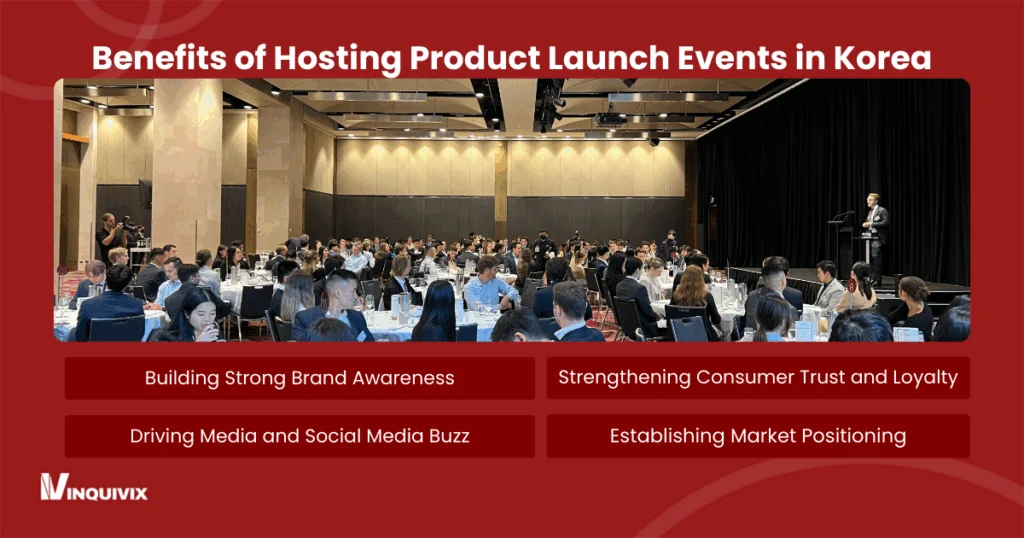
Product launch events provide a platform to introduce your brand and product to the Korean market with maximum visibility. A well-designed event creates a memorable experience that helps your product stand out in a competitive environment. When executed strategically, these events can position your brand as innovative, reliable, and relevant to Korean consumers, attributes that are highly valued in this fast-paced market.
Driving Media and Social Media Buzz
Korea’s media landscape and digital culture thrive on timely, exciting stories. Launch events frequently garner coverage from major online platforms, including Naver, Daum, and Kakao, as well as lifestyle magazines and tech news outlets. Beyond traditional media, the real amplification happens on social media platforms like Instagram, KakaoTalk, and YouTube, where event highlights, influencer posts, and user-generated content create momentum. This buzz not only boosts immediate visibility but also strengthens long-term brand recognition.
Strengthening Consumer Trust and Loyalty
In Korea, face-to-face experiences play a critical role in establishing trust. A launch event enables consumers to interact directly with your product, experience its features firsthand, and form an emotional connection with your brand. This level of engagement builds authenticity and credibility that online marketing alone cannot achieve. By offering unique experiences, such as interactive product demos, giveaways, or behind-the-scenes previews, you can cultivate brand loyalty that lasts long after the event itself.
Establishing Market Positioning
Korea is a trend-driven market where differentiation is essential. Hosting a successful product launch helps your brand carve out a distinctive position. Whether you are entering as a foreign business or scaling as a local company, a launch event allows you to highlight your value proposition in a way that resonates with Korean audiences. By combining event marketing in Korea with targeted digital campaigns, brands can enhance their reputation and establish themselves as leaders within their respective categories.
Strategies for Successful Product Launch Events in Korea
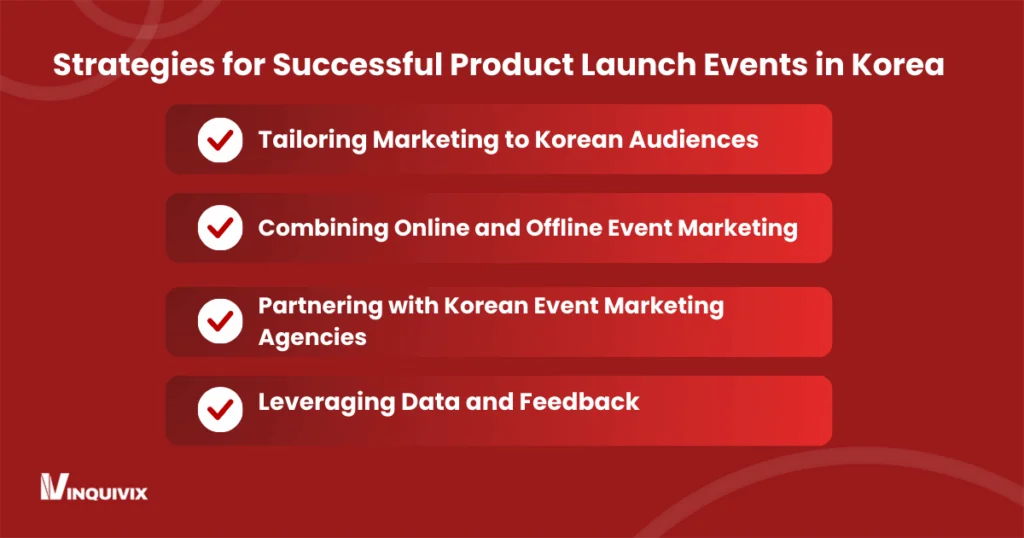
Hosting a product launch in Korea requires more than just event planning; it calls for a strategic approach that aligns with local market dynamics, cultural values, and consumer expectations. Brands that succeed are those that combine creativity with cultural awareness while leveraging both online and offline channels to maximize engagement. Below are key strategies that can help ensure your product launch event makes a powerful impact in Korea.
Tailoring Marketing to Korean Audiences
Korean consumers are highly receptive to personalized experiences and culturally relevant messaging. Using the Korean language in promotional materials, event signage, and presentations demonstrates respect and inclusivity. Visual design and storytelling should reflect local aesthetics while also reinforcing your global brand identity. Foreign brands entering Korea must avoid a “one-size-fits-all” approach; customization is critical. Understanding cultural nuances, consumer preferences, and even trending hashtags can significantly influence how your event is received.
Combining Online and Offline Event Marketing
In Korea, the lines between online and offline marketing are seamlessly connected. Successful product launch events in Korea typically utilize event marketing that combines physical experiences with digital amplification. For example, pre-event teasers on Instagram, KakaoTalk, and Naver build anticipation, while livestreaming the event expands reach to online audiences. Post-event highlights, behind-the-scenes clips, and influencer recaps continue to generate buzz long after the event concludes. This hybrid approach ensures your product receives sustained visibility.
Partnering with Korean Event Marketing Agencies
Local expertise is invaluable when planning launch events in Korea. Partnering with experienced Korean event marketing agencies provides access to insider knowledge, established media relationships, and trusted vendor networks. These agencies can assist with venue sourcing, cultural etiquette, influencer engagement, and navigating logistical challenges, including obtaining permits and complying with regulations. For foreign businesses, especially, collaborating with local experts ensures smoother execution and stronger resonance with Korean audiences.
Leveraging Data and Feedback
Data-driven insights are critical for measuring success and refining strategies. Tracking metrics such as attendance rates, media coverage, social media engagement, and post-event sales provides clarity on ROI. Real-time feedback from participants, through event apps, surveys, or QR-code-based polls, can also inform future campaigns. In Korea’s highly competitive environment, brands that listen, adapt, and optimize continuously are more likely to achieve long-term success.
Common Challenges in Product Launch Events and How to Overcome Them

While product launch events in Korea present exciting opportunities, they also come with unique challenges that foreign and local brands must be prepared to address. Korea’s fast-paced, trend-driven market leaves little room for mistakes, and competition is intense. Understanding the most common obstacles and planning strategies to overcome them will help ensure your event delivers the intended impact.
Cultural and Communication Barriers
For foreign businesses, one of the biggest hurdles is navigating Korea’s cultural nuances. Direct translations of marketing messages may not always convey the intended meaning, and failing to respect local etiquette can create misunderstandings.
How to overcome it: Work with bilingual event staff and translators, use localized content, and consult with local experts who understand both cultural context and consumer psychology. Demonstrating respect for Korean customs, such as formal greetings, professional presentation styles, and acknowledging VIPs, can go a long way toward building trust.
Intense Market Competition
Korea is home to some of the world’s most innovative brands, and consumers are constantly exposed to new products. Standing out in such a competitive environment is no easy task.
How to overcome it: Differentiate your launch by focusing on unique experiences that highlight your brand story. Utilize creative elements such as interactive technology, influencer-led showcases, or exclusive previews to create a sense of novelty and urgency. Strong PR and event marketing in Korea amplify your competitive edge by ensuring your launch reaches the right audience.
Budget Constraints
High-quality product launch events in Korea often require significant investment in venue selection, technology integration, influencer engagement, and media coverage. Brands with limited budgets may struggle to achieve the same level of impact.
How to overcome it: Prioritize what matters most to your audience. Instead of stretching resources thin, invest in one or two standout features, such as an interactive demo or a strong influencer collaboration, that can generate maximum buzz. Smaller-scale events supported by powerful digital campaigns can still achieve impressive results at a lower cost.
Navigating Regulations and Permissions
Event organization in Korea may require approvals for public spaces, ensuring safety compliance, and for promotional activities. For foreign businesses unfamiliar with local regulations, this process can be time-consuming and complex.
How to overcome it: Partner with a Korean event marketing agency or local event management professionals who are well-versed in the regulatory landscape. They can streamline the process, secure necessary permits, and ensure your event complies with local standards, avoiding delays or penalties.
Real-World Examples of Successful Product Launch Events in Korea
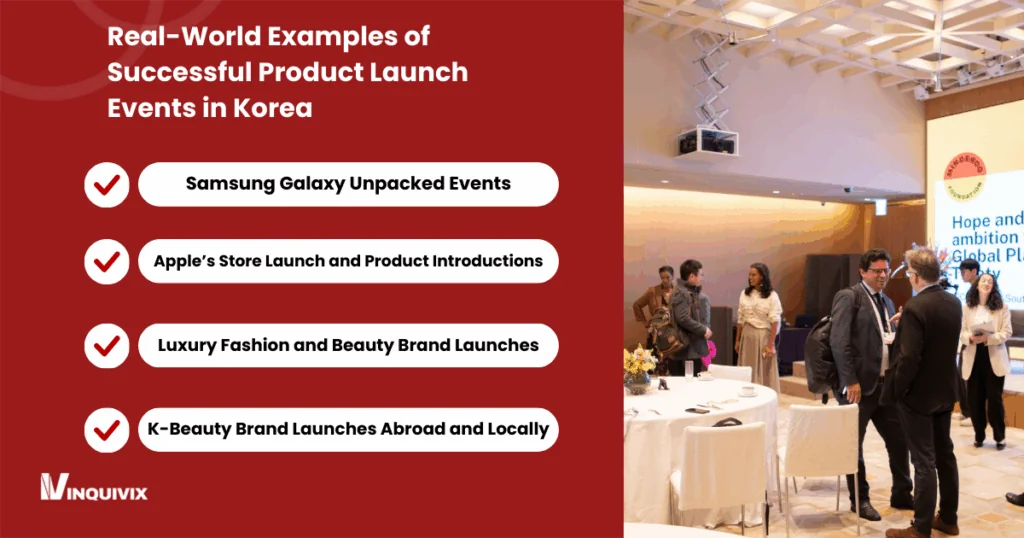
Studying how leading brands approach product launch events in Korea provides valuable insights into what works in this dynamic market. Both global companies and Korean brands have set strong examples by blending cultural relevance, digital amplification, and experiential marketing to generate buzz. These cases highlight strategies that other businesses, such as foreign entrants or local players, can adapt for their own launches.
Samsung Galaxy Unpacked Events
As one of Korea’s most recognized brands, Samsung has turned its Galaxy smartphone launches into global spectacles. Events held in Seoul combine cutting-edge technology showcases with sleek, immersive environments that highlight product features. Samsung integrates livestreaming, influencer participation, and extensive social media promotion to ensure global audiences engage simultaneously. Their approach underscores the importance of integrating technology and forming strategic media partnerships to achieve a high-impact launch.
Apple’s Store Launch and Product Introductions
When Apple opened its flagship store in Seoul, it hosted a carefully designed launch event that highlighted not just products but also the brand’s values. Apple localized the experience by blending its minimalist global style with Korean cultural elements. Product demonstrations, hands-on workshops, and curated experiences emphasized direct consumer interaction, showing the value of consumer-centric engagement in building loyalty in Korea’s competitive tech market.
Luxury Fashion and Beauty Brand Launches
Global fashion and beauty houses such as Chanel, Louis Vuitton, and L’Oréal have executed exclusive product launches in Seoul, often tied to K-pop or celebrity ambassadors. These events typically feature invitation-only showcases at high-profile venues, ensuring exclusivity while maximizing PR exposure. Collaborations with Korean influencers and celebrities extend the event’s visibility across both local and international media, reinforcing the brand’s prestige and relevance in Korea’s trend-driven market.
K-Beauty Brand Launches Abroad and Locally
Korean beauty companies, such as Amorepacific and Innisfree, frequently host elaborate product launches that highlight Korea’s cultural touchpoints. Their events often incorporate interactive product trials, influencer-led tutorials, and sustainability themes that resonate with local values and priorities. These launches demonstrate how brands can effectively integrate storytelling, experiential marketing, and Korean event marketing to appeal to domestic consumers while positioning themselves for global expansion.
Future of Product Launch Events in Korea

As consumer expectations evolve and technology continues to reshape the way brands connect with audiences, the future of product launch events in Korea is poised to look very different from today. Companies that want to stay ahead must prepare for trends that emphasize digital-first experiences, sustainability, and deeper personalization. Korea, being one of the most innovative and tech-driven markets, is already at the forefront of these changes, making it an important testing ground for the future of global event marketing.
Rise of Hybrid and Virtual Events
While in-person events remain powerful for building trust and engagement, the demand for hybrid and fully virtual events is growing. Livestreaming on platforms like YouTube, KakaoTalk, and Naver Live allows brands to expand their reach far beyond physical attendees. Some companies are also experimenting with metaverse platforms, enabling immersive product showcases in virtual environments. These approaches not only increase accessibility but also create new revenue and engagement opportunities for brands targeting both Korean and global audiences.
Growing Role of Influencer Marketing
Influencers are already central to Korean event marketing, and their importance is expected to continue rising. The shift is moving toward more niche-focused influencers, micro and nano influencers, who bring higher engagement and authentic connections with their communities. Future product launches will likely feature influencer-led live shopping sessions, interactive Q&A formats, and co-created content that enhances audience participation while amplifying reach.
Sustainability and Eco-Friendly Events
Environmental consciousness is becoming increasingly important in Korea, particularly among younger consumers. Future launch events will likely incorporate eco-friendly practices, including sustainable venue design, reduced waste, digital invitations in place of printed materials, and environmentally responsible catering. Brands that align their launches with Korea’s growing sustainability movement will not only appeal to consumer values but also strengthen their long-term brand reputation.
Deeper Personalization Through Data
Data-driven personalization will play a larger role in shaping the future of launch events. From tailoring invitations based on consumer preferences to offering customized experiences during the event, brands will increasingly rely on analytics to deliver highly relevant interactions. Event apps, QR codes, and AI-powered tools will provide real-time insights, allowing brands to adapt experiences on the spot and continue engagement long after the event concludes.
How Inquivix Helps You Succeed with Product Launch Events in Korea
Planning and executing product launch events in Korea requires more than creativity; it demands a deep understanding of local culture, market expertise, and strategic marketing execution. At Inquivix, we specialize in helping both international businesses entering the Korean market and Korean brands looking to scale, create impactful launch events that genuinely resonate with their audiences.
Our team combines expertise in Korean event management and marketing with a global perspective, ensuring your product introduction strikes the right balance between local relevance and international brand identity. From strategic planning and venue selection to influencer engagement, media coverage, and digital amplification, we deliver end-to-end solutions that maximize your brand’s visibility and impact.
With our experience in navigating Korea’s competitive market landscape, we provide:
- Tailored strategies designed around your brand and audience.
- Local expertise to adapt messaging, design, and event experiences for Korean consumers.
- Integrated marketing support, blending offline activations with digital campaigns on KakaoTalk, Instagram, Naver, and beyond.
- Results-driven execution, yielding measurable outcomes that enhance brand awareness and foster long-term growth.
Partnering with Inquivix means more than just hosting an event; it means building a launch strategy that generates genuine buzz, resonates with your audience, and positions your brand for lasting success in Korea.
Ready to introduce your brand to one of the world’s most dynamic markets? Contact Inquivix today and let us help you design a product launch event in Korea that makes a powerful impact.