Kakao Emoticons: The $300M Sticker Market Driving Korean Digital Culture
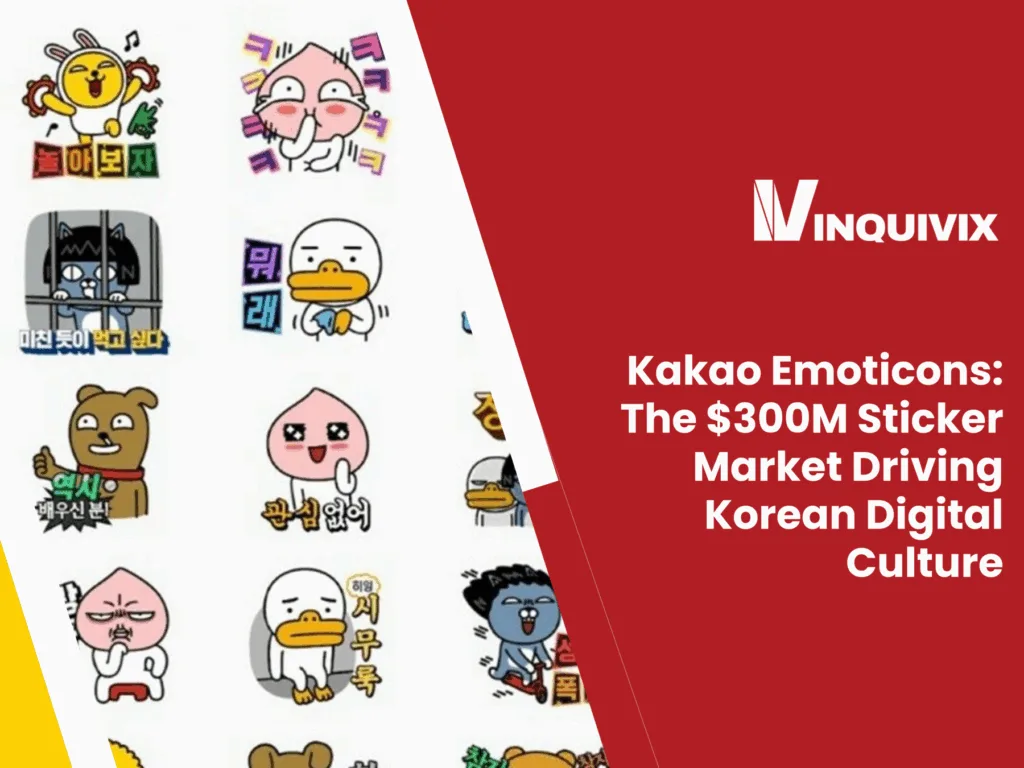
Kakao Emoticons have become an integral part of digital communication in South Korea, transforming the way users express emotions, humor, and personality in everyday conversations. Introduced by KakaoTalk in 2011, these animated stickers and characters have evolved far beyond simple text-based icons, now featuring rich graphics, recognizable mascots like Ryan and Apeach, and even voice-enhanced effects. With over 300,000 emoticons available and millions of daily users, Kakao Emoticons are more than just digital stickers; they’re a cultural phenomenon. In this article, we examine how these expressive tools influence Korean communication, drive user engagement, and fuel a thriving creative ecosystem.
What Are Kakao Emoticons?

Kakao Emoticons are a collection of animated and static digital stickers used primarily within KakaoTalk, South Korea’s most popular messaging app. First introduced in November 2011, these emoticons were designed to enhance user communication by adding visual emotion and personality to otherwise text-based conversations. Unlike traditional emojis, Kakao Emoticons are often character-driven and come in themed sets, making them more expressive, playful, and culturally specific.
Initially, digital communication relied on simple text-based emoticons like 🙂 or T_T to express mood. As mobile messaging evolved, so did the demand for more engaging ways to communicate. KakaoTalk responded by launching visually rich sticker packs, complete with animations, sound, and iconic characters, ushering in a new era of visual messaging. These emoticons became so popular that they set the standard for digital expression in Korea.
Today, the Kakao stickers library in Korea boasts over 300,000 unique emoticons, featuring a wide variety of art styles and moods. From quirky animals to witty catchphrases and romantic animations, users can find a sticker for virtually any moment or emotion. A large portion of these emoticons includes beloved Kakao Friends characters, whose widespread appeal has helped drive adoption not only in messaging but across Korean pop culture.
The Rise of Kakao Friends Characters
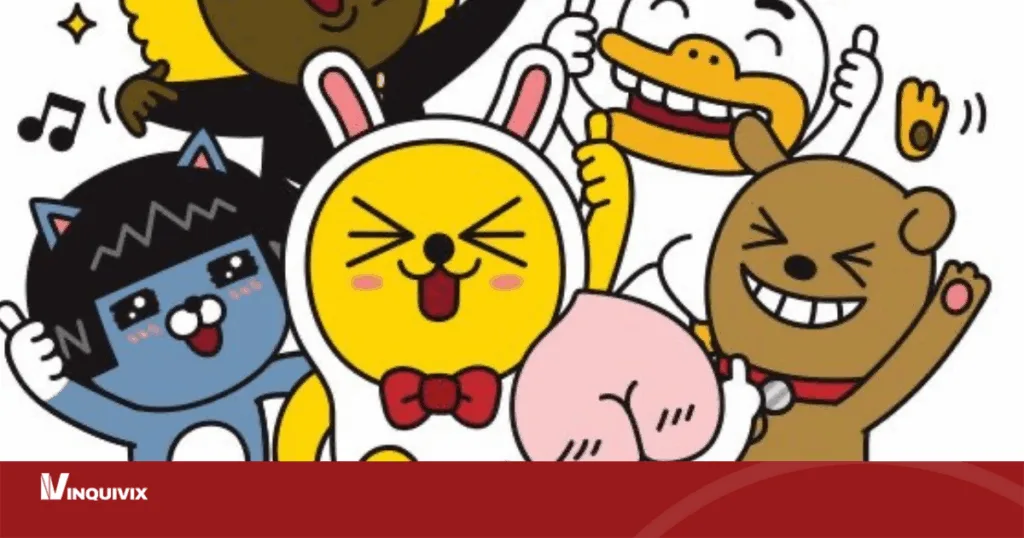
In 2012, KakaoTalk introduced the now-famous Kakao Friends lineup—original characters designed to accompany emoticon sets and brand merchandise. These characters quickly became cultural icons in South Korea and played a significant role in boosting the popularity of Kakao Emoticons. Their charm, relatability, and distinct personalities made them instantly recognizable and widely loved.
Here are some of the most popular Kakao Friends characters:
- Ryan – A stoic lion with no mane, often misunderstood but deeply lovable
- Apeach – A cheeky and energetic peach character with a mischievous streak
- Muzi & Con – Muzi, a radish in a bunny costume, and Con, a small green crocodile, make an inseparable duo
- Frodo & Neo – A status-conscious dog (Frodo) and his stylish cat girlfriend (Neo), representing modern urban life
- Jay‑G – A mole with a secret agent background and a love for hip-hop
These characters are more than just cute figures; they’re emotional vessels that reflect everything from friendship and awkwardness to romance and frustration. Their unique personas enable users to convey complex emotions with a single animated image, making conversations more vivid and engaging.
Why Are They So Popular?
The popularity of Kakao Emoticons can be attributed to a perfect blend of emotional expressiveness, cultural relevance, and social functionality. In a country like South Korea, where indirect communication and nuanced emotional cues are deeply ingrained in daily interactions, these emoticons serve as a powerful tool for conveying feelings that might otherwise be difficult to express through words alone.
Unlike standard emojis used on global platforms, Kakao Emoticons offer a deeper level of personalization and emotional storytelling. Users don’t just send a smiley face; they send a relatable character dancing, pouting, cheering, crying, or even mimicking local slang and gestures. This level of expressiveness resonates with Korean users who value emotional subtlety and creativity in conversations.
Here’s why Kakao emojis continue to dominate digital communication in South Korea:
- Highly relatable content – The designs and scenarios often reflect everyday Korean life, making the emoticons feel familiar and relevant.
- Dynamic animation and sound – Many emoticons come with movement and even audio clips, adding another layer of impact.
- Character-driven storytelling – With recurring characters like Ryan, Apeach, and Muzi, users build emotional connections over time.
- Frequent updates and trends – New sets are regularly released based on seasons, holidays, pop culture, or even trending memes, keeping the content fresh.
- Social signaling – Using certain emoticons can signal one’s mood, status, humor, or trend-savviness within a group chat or relationship.
Moreover, Kakao Emoticons aren’t just for fun; they’re a digital language of their own, allowing people to communicate tone, humor, and nuance in a way that plain text cannot. This makes them not only entertaining but also functional in enhancing social bonding and reducing misunderstandings in digital conversations.
The integration of Kakao Friends and the platform’s ongoing commitment to evolving with its user base have made these emoticons more than just stickers; they are a lifestyle and a communication standard in South Korea.
Top Trending Sets & Keywords
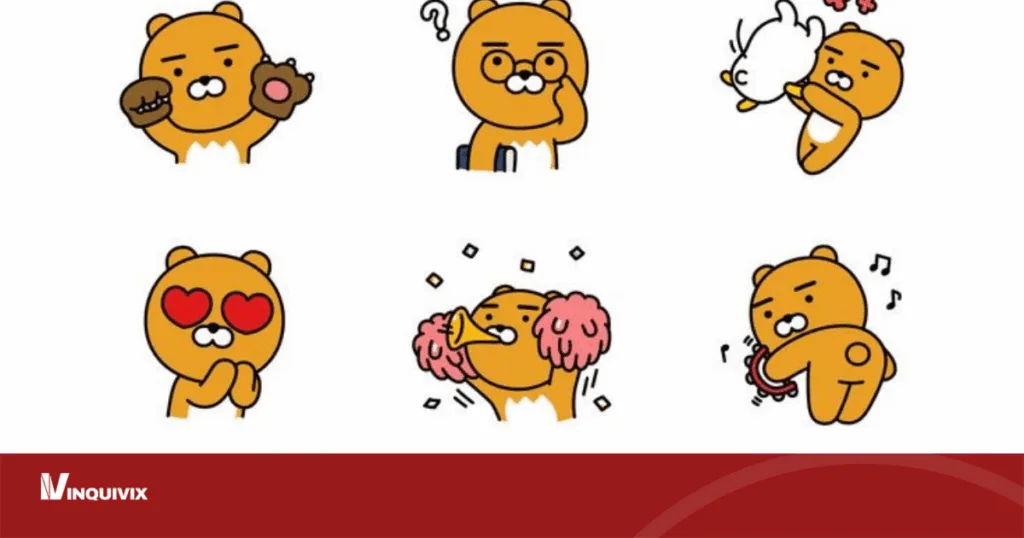
With hundreds of thousands of Kakao Emoticons available in the marketplace, certain sets and keywords consistently rise to the top, driven by cultural relevance, seasonal appeal, and emotional relatability. These trending emoticons reflect what people are feeling, talking about, and experiencing in real-time. From celebrating victories to expressing frustration or simply sharing a laugh, these digital expressions are deeply integrated into the rhythm of Korean daily life.
KakaoTalk’s internal search engine and emoticon store highlight popular keywords that users frequently search for to find the perfect response or mood enhancer. Some of the most searched keywords include:
- Applause (박수) – to cheer someone on or celebrate a success
- Hehe (헤헤) – expressing lighthearted joy or bashfulness
- Alcohol (술) – used for socializing, party invites, or weekend vibes
- Good Job (수고했어요) – perfect for workplace chats or encouraging friends
- Best (최고) – to show appreciation or approval
- Cheer Up (힘내) – especially common during exams or stressful periods
These keywords often correspond to top-performing emoticon sets that users purchase or download in large numbers. Below is a snapshot of popular emoticon series that frequently trend:
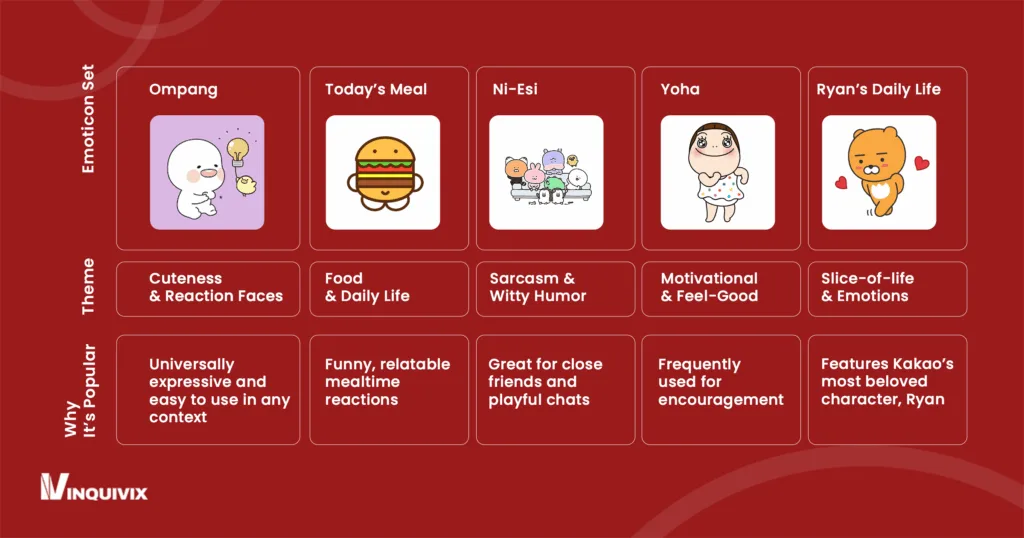
What’s interesting is how seasonal trends and Korean pop culture moments can heavily influence what’s trending. For instance, during university entrance exam season, “Cheer Up” and “Good Luck” emoticons surge in popularity. Around Chuseok (Korean Thanksgiving), themed sets with traditional clothing or family greetings are trending rapidly.
Trending emoticons often reflect collective moods, whether it’s national excitement, a viral meme, or even emotional burnout, making Kakao Emoticons not just tools of expression but real-time cultural indicators.
Additionally, Kakao continually updates the platform with new releases based on these trends, ensuring that users always have fresh, relevant options that reflect their current feelings and experiences.
The Role of Creators & the Ecosystem
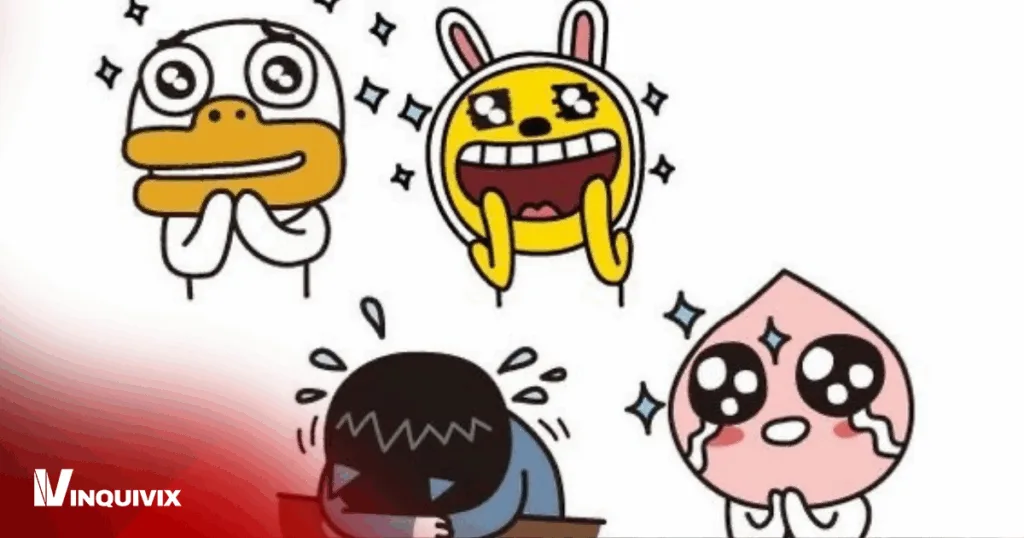
The success of Kakao Emoticons isn’t just built on cute designs and catchy characters; it’s powered by a vibrant and growing community of creators who bring their own unique flair to the platform. KakaoTalk has transformed emoticons into a creator-driven ecosystem, opening up opportunities for independent artists, illustrators, and even hobbyists to monetize their creativity while contributing to Korea’s digital culture.
In 2017, Kakao launched the Emoticon Studio, a platform that allowed the public to design and sell their own emoticons. This democratized the creation process, triggering a surge in user-generated content. As of recent reports, over 10,000 creators are actively contributing to Kakao’s emoticon marketplace, many of whom have turned what started as a side project into a full-time business.
How the Ecosystem Works:
- Open Platform Access: Anyone can apply to become an emoticon creator through Kakao’s official studio.
- Submission & Review: Designs go through a quality and appropriateness screening process before being listed in the store.
- Revenue Sharing: Creators earn a percentage of each emoticon pack sold, with top artists making millions of Korean won per month.
- Ongoing Engagement: Successful emoticon series often get sequels, seasonal updates, or spin-off merchandise opportunities.
Kakao also actively promotes standout creators, often featuring them on the front page of the emoticon store or in curated collections. Some emoticon sets become so successful that they expand into Kakao Friends merchandise, animation, or brand collaborations, further elevating the artist’s visibility.
This ecosystem has not only created new income opportunities but also established a new form of digital artistry, where creativity meets commerce. Many artists draw inspiration from their daily lives, pop culture, internet slang, or niche communities, resulting in emoticons that are hyper-relatable and culturally resonant.
Additionally, with the recent introduction of Kakao Mini Emoji Studio in 2024, the barrier to entry has lowered even further. This new platform allows amateur creators to release smaller, free sets with fewer frames and animations, encouraging even more participation and experimentation.
By providing creators with the tools, exposure, and incentives to thrive, Kakao has established an emoticon ecosystem that is self-sustaining, highly innovative, and deeply in tune with its user base. It’s not just about stickers; it’s about building a creator economy centered on expression, culture, and emotion.
Communication Trends & Cultural Impact
Kakao Emoticons have done more than enhance messaging; they’ve reshaped how South Koreans communicate, express emotions, and build relationships in the digital age. In a culture where subtlety, nonverbal cues, and emotional nuance are vital to everyday interactions, these emoticons serve as essential tools for digital communication, bridging the gap between spoken language and emotional expression.
A New Digital Language
In face-to-face conversations, facial expressions, tone, and body language add layers of meaning. But in text-based environments like KakaoTalk, those cues are lost. That’s where Kakao Emoticons shine. Their expressive animations, character-based storytelling, and cultural context provide users with a non-verbal means to convey mood, humor, sarcasm, affection, or empathy.
For example:
- A Ryan emoticon sighing in exhaustion says more than typing “I’m tired.”
- Apeach blushing and waving can soften awkwardness or express gratitude.
- Frodo rolling his eyes becomes a lighthearted way to show frustration.
These subtle enhancements create a richer, more human form of digital conversation, making KakaoTalk one of the most emotionally expressive messaging apps in the world.
Shaping Cultural Norms
The influence of Kakao Emoticons extends beyond messaging. They are:
- Embedded in Korean pop culture – Featured in memes, YouTube videos, V-logs, and even TV variety shows.
- Used in professional settings – Work group chats frequently feature emoticons like “수고했어요” (Good job) or “화이팅” (You can do it!) to maintain politeness and encouragement in a light-hearted way.
- Integrated into holidays and seasonal trends – Emoticons featuring traditional outfits or holiday themes become popular during Chuseok, Seollal (Lunar New Year), or school exam seasons.
Kakao Emoticons have even sparked a “gift culture”, where users purchase emoticon sets for friends, partners, or colleagues. These digital gifts are often seen as thoughtful, inexpensive gestures, perfect for birthdays, congratulations, or cheering someone up.
Global Reach and Cultural Exchange
While Kakao Emoticons are deeply rooted in Korean culture, their appeal has begun to transcend borders, particularly with the global rise of K-pop, K-dramas, and Korean fashion. International fans who use KakaoTalk often incorporate these emoticons into their Korean digital experience, further expanding the platform’s reach.
Reddit threads and online communities dedicated to Korea frequently mention how expressive and charming Kakao Emoticons are, even among users unfamiliar with the language. This reflects their universal emotional appeal and the growing curiosity around Korean digital trends. In short, Kakao Emoticons have evolved into more than just a messaging tool; they serve as a cultural lens through which South Koreans (and increasingly, global users) express themselves, share humor, and maintain emotional connections in a fast-paced digital world.
Recent Updates & Fresh Insights
As the digital landscape continues to evolve, Kakao Emoticons are keeping pace through new features, platform innovations, and creator-friendly tools that ensure the service remains fresh, relevant, and engaging for users. These recent updates not only reflect shifting user behavior but also signal Kakao’s long-term strategy in expanding its emoticon ecosystem.
Launch of Kakao Mini Emoticons (2024)
In response to user demand for lightweight, bite-sized expressions, Kakao launched Mini Emoticons in 2024, a new category featuring simpler, shorter animations. These are faster to send, use fewer frames, and are optimized for quick communication. Users can express a mood or reaction instantly without the need to scroll through complete sets.
This launch also opened the door for new and amateur creators, offering an easier entry point to the emoticon market. The Mini Emoji Studio, a lightweight version of the leading Emoticon Studio, enables creators to test ideas with less time and complexity investment. This initiative has already resulted in a surge of fresh styles, regional dialect-based sets, and experimental designs that appeal to niche communities.
Growing Influence of AI in Emoticon Creation
With the rise of generative AI tools, several creators have begun using AI-assisted design platforms to streamline the development process, particularly for initial drafts and character variations. Kakao has acknowledged this trend and is reportedly exploring AI-powered tools that could one day help creators animate frames, generate expressions, or test audience reactions before release.
This doesn’t replace human creativity; it enhances it. By automating repetitive tasks, creators can focus more on ideation, storytelling, and emotional nuance.
Creator Success Stories Are Going Mainstream
The emoticon creator community is no longer operating in the background. In 2025, several top creators have achieved celebrity status within the Kakao ecosystem, garnering media attention, branded merchandise, and even collaboration opportunities with prominent fashion and tech brands. Some creators have transitioned to full-time work solely through emoticon income, further validating emoticon creation as a legitimate digital career in Korea.
This growing visibility has inspired more young artists and illustrators to view Kakao Emoticons as a path to creative entrepreneurship.
Expansion of Character Licensing & Merchandising
Characters like Ryan, Apeach, and Muzi are no longer confined to mobile screens. Kakao Friends merchandise, from plushies and phone cases to pop-up stores and cafes, continues to expand in Korea and internationally. In 2025, Kakao announced new licensing partnerships with convenience stores, beauty brands, and even AR games, pushing emoticon characters into offline brand ecosystems.
This multi-platform presence reinforces the emoticons’ cultural status and strengthens emotional attachment among users, further boosting the popularity of their digital versions.
Global Fans and Localized Content
Kakao has also started localizing some emoticon sets for non-Korean audiences, particularly in regions with growing K-pop and K-drama fan bases. Emoticons featuring simple English phrases, such as “Good Job!” or “LOL,” are now more common, and sets based on globally recognized Kakao Friends characters have been adapted for international markets.
This move suggests that Kakao is positioning emoticons as Korean cultural exports, tapping into the Hallyu (K-wave) momentum to broaden its reach.
Together, these updates reflect a dynamic ecosystem that’s continuously adapting, not only to user behavior and creative trends, but also to technological innovation and global expansion. Kakao Emoticon marketing is no longer just a feature of a messaging app; they are a living, evolving part of Korea’s digital identity.
Emoticons as a Digital Branding Frontier

Kakao Emoticons are more than just visual add-ons to a conversation; they are a powerful reflection of Korea’s evolving digital communication culture, creative economy, and emotional intelligence. From character fandoms to creator-led marketplaces, emoticons have carved out their place at the intersection of tech, art, and human connection.
For brands, content creators, and marketers, there’s a growing opportunity to tap into this medium, not just in Korea, but across Asia, where character-based communication thrives. If you’re looking to localize your content strategy, explore branded emoticons, or launch culturally resonant digital campaigns, understanding platforms like Kakao is essential.
At Inquivix, we specialize in helping global brands navigate Korea’s unique digital ecosystem through our Kakao marketing services, which encompass messaging apps, emoticons, influencer strategies, and content localization. If you’re ready to build brand affinity the Kakao way, get in touch with us and let’s create something that connects.