Kakao Friends: How Korea’s Favorite Characters Became a Cultural and Marketing Powerhouse
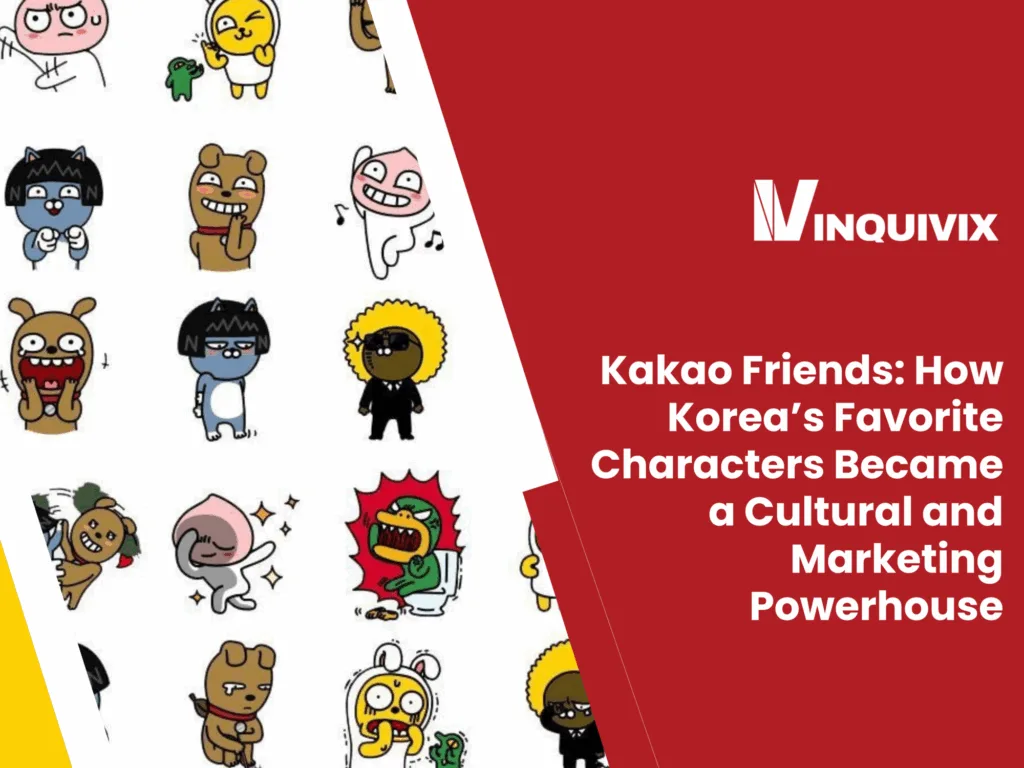
Kakao Friends have become more than adorable characters in a messaging app; they’re a cultural sensation in South Korea and beyond. Introduced initially as emoticons for KakaoTalk, these quirky and charming mascots have evolved into one of Korea’s most recognizable and marketable character brands. From plush toys and branded merchandise to themed cafés and major marketing collaborations, Kakao Friends has carved out a unique space in pop culture and business. Their widespread appeal across all age groups makes them powerful tools in Korea’s marketing landscape, influencing consumer behavior and creating emotional connections that brands can’t ignore.
Origins & Evolution of Kakao Friends
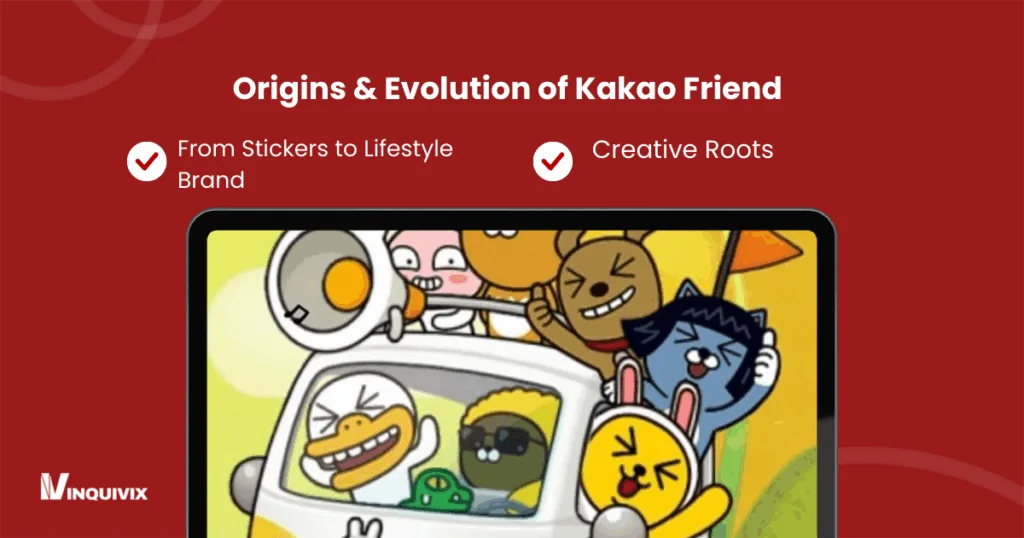
From Stickers to Lifestyle Brand
The story of Kakao Friends began in 2012 when they were introduced as emoticon characters for KakaoTalk, South Korea’s most popular messaging app. Designed to express emotions, fun, and quirkiness, the characters quickly became a hit among users who loved their cute aesthetics and relatable personalities. What started as a digital tool for communication evolved into a powerful cultural symbol almost overnight.
As their popularity surged, Kakao Corp saw the potential to expand beyond the app. A full range of merchandise, from stationery and clothing to home décor and tech accessories, soon followed. Kakao Friends Stores opened in major cities across Korea, featuring immersive shopping experiences and themed cafés. Today, these characters are more than digital stickers; they are a full-fledged lifestyle brand with collaborations that span industries like fashion, food, finance, and entertainment.
Their transition from simple emojis to global pop icons is a testament to the strength of character-driven branding and the deep emotional connection they’ve built with fans.
Creative Roots
The genius behind the original Kakao Friends characters is illustrator Kwon Soon-ho, also known as Hozo. Tasked with creating a set of expressive emoticons for KakaoTalk, Hozo infused each character with a unique backstory and personality traits that resonated with users and helped the characters stand out from other messaging stickers at the time.
Ryan, the lion without a mane, became an unexpected breakout star due to his stoic charm. Apeach, a genetically modified peach with a mischievous streak, captured attention with her bold personality. These weren’t just cute icons; they felt like real personalities, and fans began to form emotional attachments.
While Hozo was initially compensated for using emoticons, Kakao retained full rights over merchandise and branding, leading to widespread commercialization of the characters. In 2018, Kakao IX (a Kakao Corp subsidiary) officially took over the brand’s expansion, pushing Kakao Friends into everything from home goods to high-fashion collaborations. Today, the brand’s creative DNA continues to shape its identity as a cultural and commercial powerhouse.
Meet the Characters
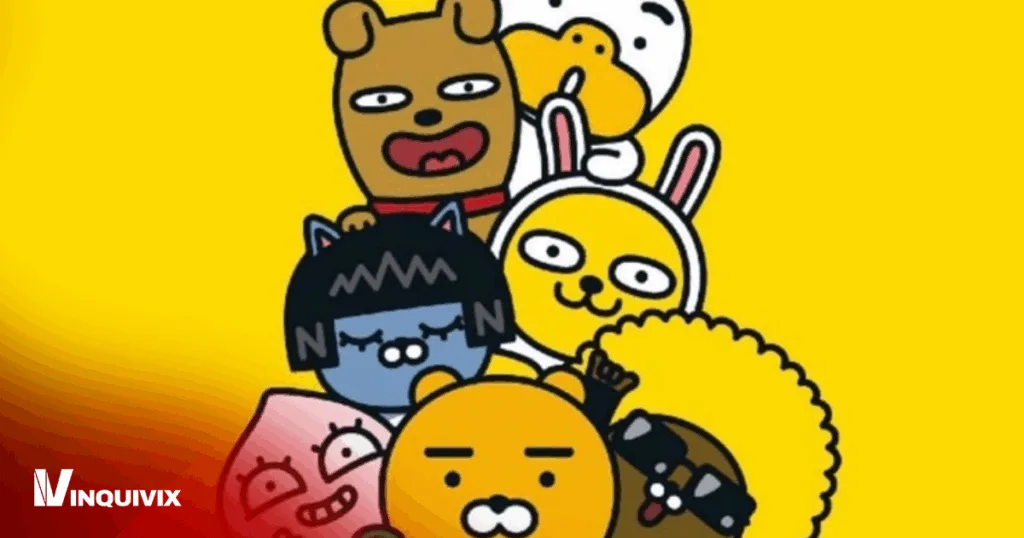
One of the main reasons for Kakao Friends’ widespread popularity is its diverse and endearing cast of characters. Each character has a unique personality, background, and emotional traits that fans can connect with, turning simple emoticons into iconic cultural figures. Let’s get to know the beloved characters in the Kakao Friends universe.
Ryan
- Species: Lion (without a mane)
- Personality: Calm, gentle, and reliable
- Background: Ryan is not your typical lion. Born as the heir to the throne on Dung Dung Island, he left royal life to pursue freedom. Despite his stoic appearance, Ryan has a warm heart and often takes on the role of the dependable big brother of the group. His lack of a mane has made him unique and relatable, symbolizing individuality.
Apeach
- Species: Genetically modified peach
- Personality: Bold, mischievous, confident
- Background: Apeach escaped from a genetic lab and lives freely and joyfully. Known for her cheeky attitude and sassy charm, Apeach is often seen striking daring poses and challenging norms. Her confident, body-positive image has made her especially popular among younger audiences and women.
Tube
- Species: Duck (with prosthetic feet)
- Personality: Timid and polite, but turns aggressive under pressure
- Background: Tube is shy and reserved but transforms into a fiery green version when scared or angry. His dual personality makes him hilarious and relatable to people who struggle with inner confidence or anger. He represents vulnerability and the way people often mask it.
Muzi & Con
- Species: Muzi is a radish in a bunny suit; Con is a tiny crocodile
- Personality: Curious, playful (Muzi); mysterious and wise (Con)
- Background: Muzi is not a rabbit; it’s a radish wearing a bunny costume. Con, the silent green reptile, is Muzi’s caretaker and guardian. The duo represents balance: fun and chaos (Muzi) tempered by wisdom and calmness (Con). They’re inseparable and symbolize unlikely but perfect friendships.
Frodo
- Species: Dog (mixed breed)
- Personality: Ambitious, slightly self-conscious
- Background: Frodo comes from a wealthy background but is often insecure about being a mixed breed. He tries hard to fit in and is known for his sophistication and desire to succeed. His character reflects the complexity of social image and ambition in modern life.
Neo
- Species: Cat
- Personality: Fashion-forward, confident, strong-willed
- Background: Neo, Frodo’s girlfriend, is obsessed with style and her iconic bob-cut. She is independent and self-assured, often calling the shots in her relationship with Frodo. Neo is a favorite among fans who admire empowered and fashionable female icons.
Jay-G
- Species: Mole
- Personality: Secretive, stylish, and calm under pressure
- Background: Jay-G is always on a mission, a secret agent with a love for hip-hop and urban culture. With his signature afro and sunglasses, he’s the mysterious bad boy of the group. He brings an edge to the otherwise soft and cute lineup of characters.
Choonsik
- Species: Cat
- Personality: Playful, curious, and loyal
- Background: Choonsik is Ryan’s pet cat, though many fans argue they’re more like best friends. This fluffy character rose to fame quickly for its adorable expressions and playful nature. Choonsik’s rise in popularity rivaled the original cast, showcasing how lovable side characters can steal the spotlight.
These characters go beyond just visuals. They tell stories, express emotions, and build connections with people of all ages. It can be Ryan’s calm energy or Apeach’s fierce individuality; everyone has a favorite Kakao Friend who reflects a piece of themselves.
Kakao Friends Phenomenon
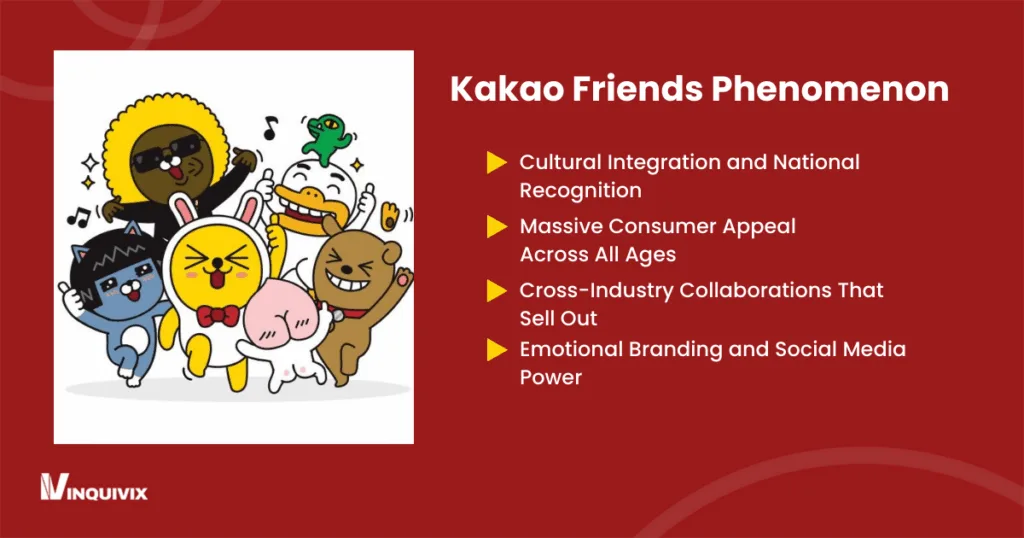
What started as a set of messaging app emojis, known as Kakao emoticons has exploded into one of Korea’s most powerful pop culture icons. The Kakao Friends phenomenon extends far beyond emoticons; these characters have become a staple in Korean daily life, deeply integrated into how people shop, communicate, and engage with brands. Their success represents the perfect blend of emotional branding, character licensing, and omnipresent marketing.
Cultural Integration and National Recognition
Kakao Friends aren’t just popular, they’re ubiquitous in South Korea. You’ll find them everywhere:
- On phone cases, notebooks, and home décor
- Decorating public transportation and street advertisements
- As themed cafés, and even on airplanes and banking cards
Their presence feels natural across generations, with children adoring their cuteness and adults relating to their personalities and stories. This emotional familiarity has allowed Kakao Friends to embed themselves into the fabric of everyday Korean life.
Massive Consumer Appeal Across All Ages
Unlike many character franchises that mainly target children, Kakao Friends appeals to a wide demographic. The characters are cute and colorful enough to charm kids, but also layered with wit and irony that adults appreciate. Ryan, for instance, has become a symbol of quiet strength and introversion, traits many young professionals in Korea identify with.
Their versatility has made them ideal marketing tools in diverse industries, from tech and fashion to finance and food. Whether a teenager uses Apeach stickers or a bank customer chooses a Ryan-themed debit card, Kakao Friends connect on an emotional level.
Cross-Industry Collaborations That Sell Out
The Kakao Friends brand has worked with some of the biggest names across sectors, proving their immense marketing power:
- Tech: Samsung Galaxy phone cases, Bluetooth speakers, and accessories featuring Kakao Friends often become limited-edition hits.
- Fashion: Brands like SPAO and even luxury designers have launched character collections that sell out in days.
- Food & Beverage: Starbucks Korea has released seasonal campaigns with Kakao Friends-themed merchandise, tumblers, and desserts, often leading to long lines and product shortages.
- Banking: KakaoBank credit/debit cards featuring Ryan and Apeach have been wildly successful, especially among Gen Z and millennials.
These collaborations work because they’re not just branding; Kakao Friends characters bring warmth, humor, and relatability to products that might otherwise feel impersonal.
Emotional Branding and Social Media Power
One of the biggest reasons for their success is the emotional bond they’ve created with audiences. Kakao Friends characters express feelings in a way that resonates with awkwardness, joy, loneliness, self-doubt, confidence, and curiosity. This emotional nuance makes them ideal for social media, where users often share stickers, memes, and merchandise featuring their favorite characters.
Kakao Friends are also Instagram and TikTok darlings, often featured in lifestyle content, unboxing videos, and influencer collaborations. This digital-native popularity helps the brand stay relevant and grow organically through fan communities.
Kakao Friends and Their Impact on Korean Marketing
In South Korea’s highly competitive and fast-evolving consumer market, brands constantly seek fresh ways to capture attention, build trust, and foster emotional connections. Kakao Friends has emerged as a powerful tool for doing just that, transforming from simple characters into valuable marketing assets. Their impact on the Korean marketing landscape is vast, influencing everything from digital engagement to product design and branding strategies.
Character-Driven Branding: More Than Just Mascots
Korean consumers have a deep affinity for character culture, and Kakao Friends have capitalized on this trend to become cultural touchstones. Brands that collaborate with Kakao Friends instantly gain access to the characters’ massive fanbase and the emotional resonance they bring.
These characters are not just slapped onto packaging; they’re thoughtfully integrated into storytelling and customer experience. Whether it’s a Ryan-themed café cup or an Apeach-branded skincare product, consumers perceive added value and feel a stronger emotional bond with the brand.
This character-driven branding strategy helps:
- Increase brand likability and relatability
- Improve product memorability and shelf visibility
- Encourage impulse purchases through visual appeal
Kakao Friends x Brand Collaborations: Success Stories
Numerous Korean and international companies have leveraged Kakao Friends to drive awareness and revenue. Some standout collaborations include:
- KakaoBank: Their debit and credit cards featuring Ryan, Apeach, and Choonsik helped attract younger customers and significantly boosted account openings. These cards became status symbols, often shared on social media.
- Samsung: Kakao Friends phone cases, wireless chargers, and accessories became bestsellers thanks to their playful design and collectibility.
- Starbucks Korea: Limited-edition drinkware and gift cards featuring Kakao Friends characters created long queues and online buzz. Some items sold out within hours.
- Hyundai, Lotte, and LG: Used characters in commercials, packaging, and online campaigns to humanize their branding and make their products more approachable.
- MUJI Korea and SPAO: Released co-branded lifestyle and fashion collections resonating with trend-savvy consumers looking for comfort and personality.
These collaborations showcase how Kakao Friends are more than a trend; they are a revenue-driving marketing force.
Enhancing Digital Engagement and Virality
In the digital space, Kakao Friends shine. Brands use them in:
- Social media content: GIFs, stickers, and memes
- Messaging app campaigns: Branded KakaoTalk themes and emoticons
- Gamification strategies: Loyalty programs and mobile games with character rewards
These elements drive higher engagement rates and encourage users to interact with branded content more frequently. Emotional relatability and shareability make Kakao Friends especially effective on platforms like Instagram, KakaoStory, and TikTok.
Emotional Marketing that Works in Korea
Korean marketing heavily relies on emotional storytelling, and Kakao Friends is tailor-made for this approach. Each character embodies specific emotions: Ryan’s introverted strength, Apeach’s bold sassiness, and Tube’s anxiety-prone chaos, which audiences relate to and even project onto themselves.
This makes Kakao Friends:
- Ideal brand ambassadors for mental health, lifestyle, and everyday products
- Effective in building long-term customer loyalty
- Helpful in turning functional products into “emotional buys”
Boosting In-Store and E-Commerce Sales
In online and offline retail environments, Kakao Friends act as silent salespeople. Their presence increases foot traffic, encourages product discovery, and drives impulse buying.
Key impacts:
- Pop-up stores and themed zones see higher conversion rates
- Merchandise bundled with Kakao Friends designs sells faster and can command premium prices
- Online shops with Kakao Friends branding benefit from increased engagement, especially during notable launches or seasonal drops
In short, Kakao Friends has transformed marketing in Korea by merging character fandom with commerce. For brands, it offers an instant emotional bridge to customers. Consumers provide joy, relatability, and trust, creating a win-win marketing formula that continues to evolve.
Community & Cultural Impact
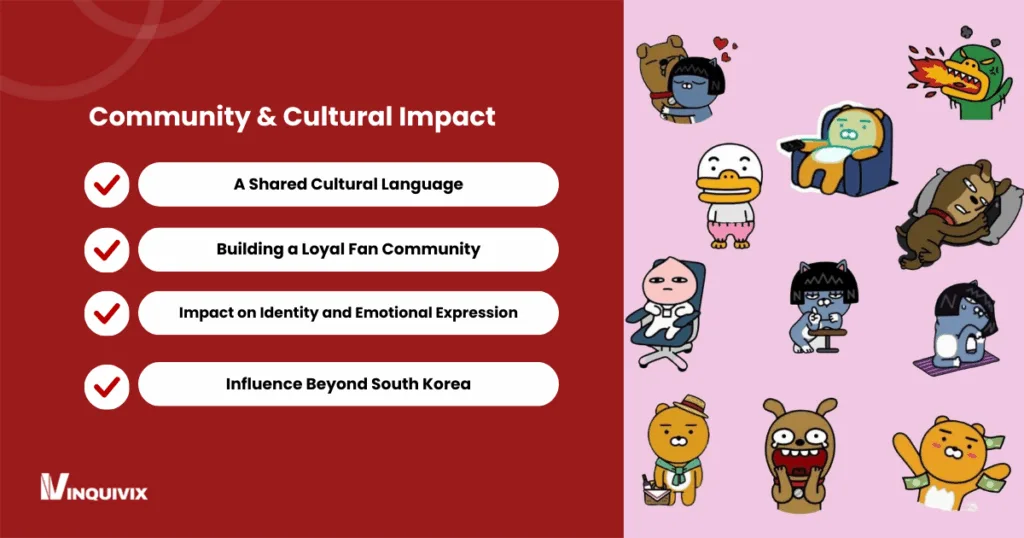
The influence of Kakao Friends goes far beyond branding and business; they’ve become an integral part of modern Korean culture. These characters are deeply embedded in the daily lives, emotions, and digital habits of Korean consumers, playing a significant role in shaping how people communicate, express themselves, and even form communities. Their cultural relevance is a testament to the power of character branding when it taps into human emotion and social identity.
A Shared Cultural Language
Kakao Friends have become a visual language that transcends words. In a society where digital communication dominates, primarily through KakaoTalk, the characters offer a way to express feelings more vividly and humorously. Sending a Ryan sticker when you’re feeling burnt out or an Apeach gif when you’re being cheeky has become second nature for Korean users. These characters help people connect emotionally, especially in situations where direct expression might be awkward or too formal.
This shared usage has made Kakao Friends a cultural shorthand, an inside joke, a way of bonding, and a reflection of Korean social dynamics. They’ve even sparked trends like character-based memes, parody art, and fan merchandise on social media platforms like Instagram and Twitter.
Building a Loyal Fan Community
Kakao Friends have inspired a passionate and loyal fanbase that spans all age groups. Fans collect official merchandise and participate in character polls, attend fan events, and engage in online forums dedicated to their favorite characters.
This community-driven culture has been amplified by:
- Exclusive product drops and limited-edition items, creating FOMO and buzz
- Offline experiences, like themed cafés and photo zones, are perfect for social sharing
- Fan-generated content, including fan art, unboxings, and review videos
By tapping into this fan enthusiasm, Kakao Friends has cultivated a brand that’s not just consumed—it’s lived.
Impact on Identity and Emotional Expression
In a culture where social harmony is often prioritized over individual expression, Kakao Friends allows people to showcase their personality in a lighthearted, non-confrontational way. Whether it’s a Ryan keychain on a work bag or an Apeach phone case, these items subtly reflect someone’s emotional vibe, humor, or inner world.
This emotional personalization is extreme among Gen Z and millennials, who value individuality and seek relatable emotional outlets online and offline.
Influence Beyond South Korea
While Kakao Friends are most prominent in South Korea, their cultural reach is expanding across Asia. Pop-up stores and collaborations have appeared in Japan, China, and Southeast Asia. Korean expats and Hallyu (Korean Wave) fans abroad often use Kakao Friends merchandise as cultural touchpoints or collectibles.
The characters have become unofficial ambassadors of modern Korean pop culture, standing alongside other K-content phenomena like K-pop, K-dramas, and Korean beauty.
In essence, Kakao Friends are more than mascots; they’re emotional companions, cultural icons, and symbols of digital-era identity. Their impact on Korean society is a masterclass in how thoughtful character design and storytelling can build not just a brand, but a vibrant, lasting cultural phenomenon.
Kakao Friends: A Marketing Icon and Cultural Touchstone

From humble beginnings as digital stickers in a messaging app to becoming lifestyle icons, Kakao Friends have carved out a unique place in Korean society and global pop culture. Their emotional resonance, commercial appeal, and cultural symbolism make them more than just characters; they’re tools for connection, storytelling, and brand building.
Whether you’re a business looking to break into the Korean market or a brand seeking a deeper connection with digital-native audiences, Kakao Friends offers valuable lessons in character-driven marketing and consumer engagement.
**Ready to connect with your audience on a deeper level through culturally resonant marketing? **Let Inquivix help you navigate Korea’s unique digital landscape and create resonant campaigns, including Kakao Marketing. Contact us now!