The Top 6 South Korean Shopping Apps

Korean shopping apps are the mobile marketplaces South Koreans use for most of their online purchases, and in October 2026 the six largest general shopping apps by monthly users were Coupang, Naver Plus Store, AliExpress, Temu, Gmarket, and 11STREET. Together they cover almost every category, from groceries and electronics to fashion and cosmetics.
In the Ministry of Science and ICT’s 2025 platform user survey of 2,500 adults aged 19 to 69, published in June 2026, 95.6% of respondents had used an e-commerce platform in the previous three months, and e-commerce users used an average of three or more platforms. Next-day delivery is the baseline expectation, not a premium service.
For brands entering Korea, the app list matters because each platform has different customers, fees, and marketing tools. Below is how the top six compare, followed by the category apps that matter just as much in fashion, beauty, groceries, and second-hand goods.
The Top 6 South Korean Shopping Apps
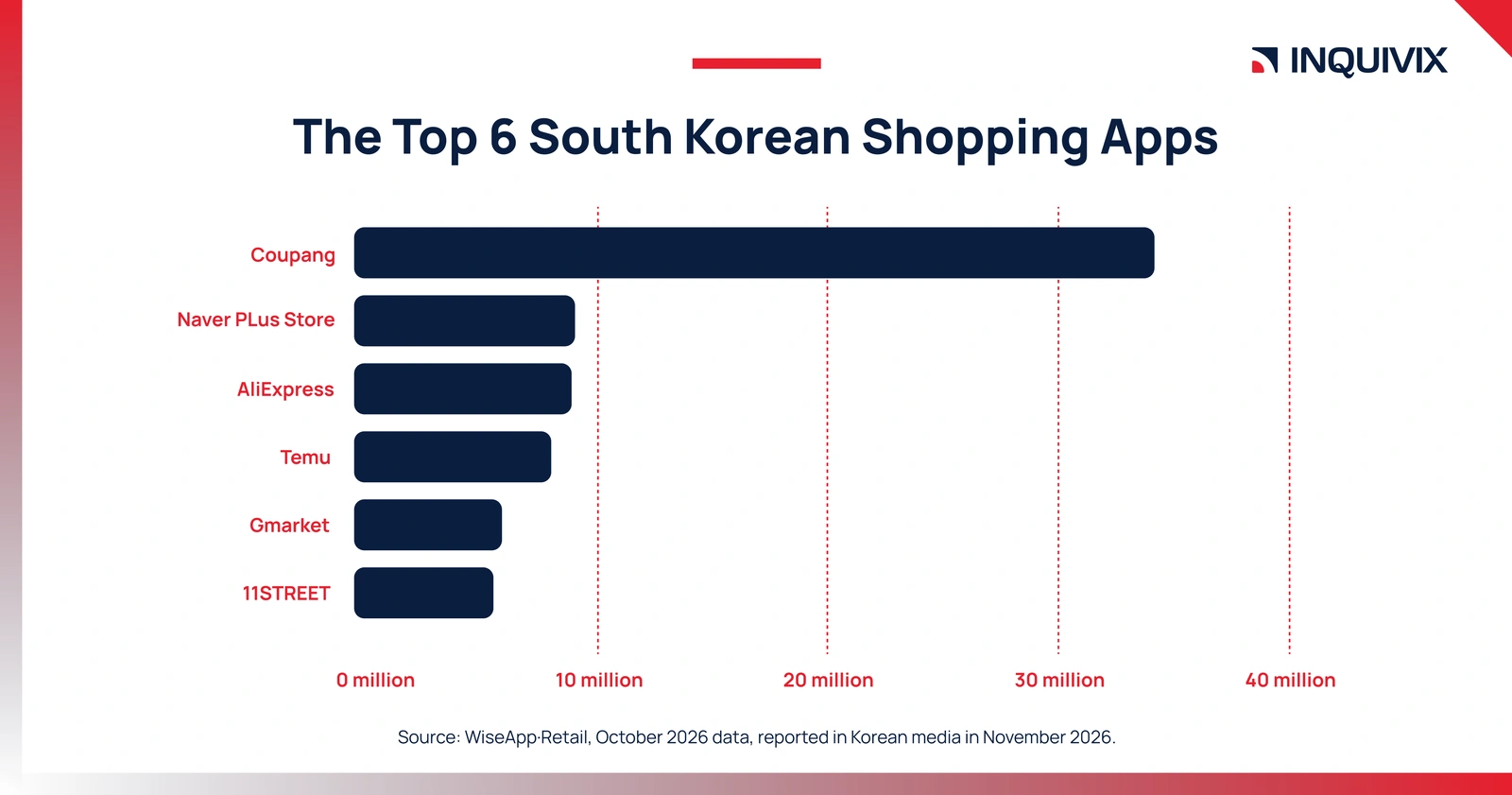
The ranking below uses WiseApp·Retail’s October 2026 data for general shopping mall apps, based on a sample of Korean Android and iOS users. Coupang leads by a wide margin. Positions two to six are close and change from month to month, often in response to promotions.
| Rank (October 2026) | App | Monthly active users |
|---|---|---|
| 1 | Coupang | 34.31 million |
| 2 | Naver Plus Store | 9.48 million |
| 3 | AliExpress | 9.31 million |
| 4 | Temu | 8.42 million |
| 5 | Gmarket | 6.34 million |
| 6 | 11STREET | 6.01 million |
Source: WiseApp·Retail, October 2026 data, reported in Korean media in November 2026.
Coupang
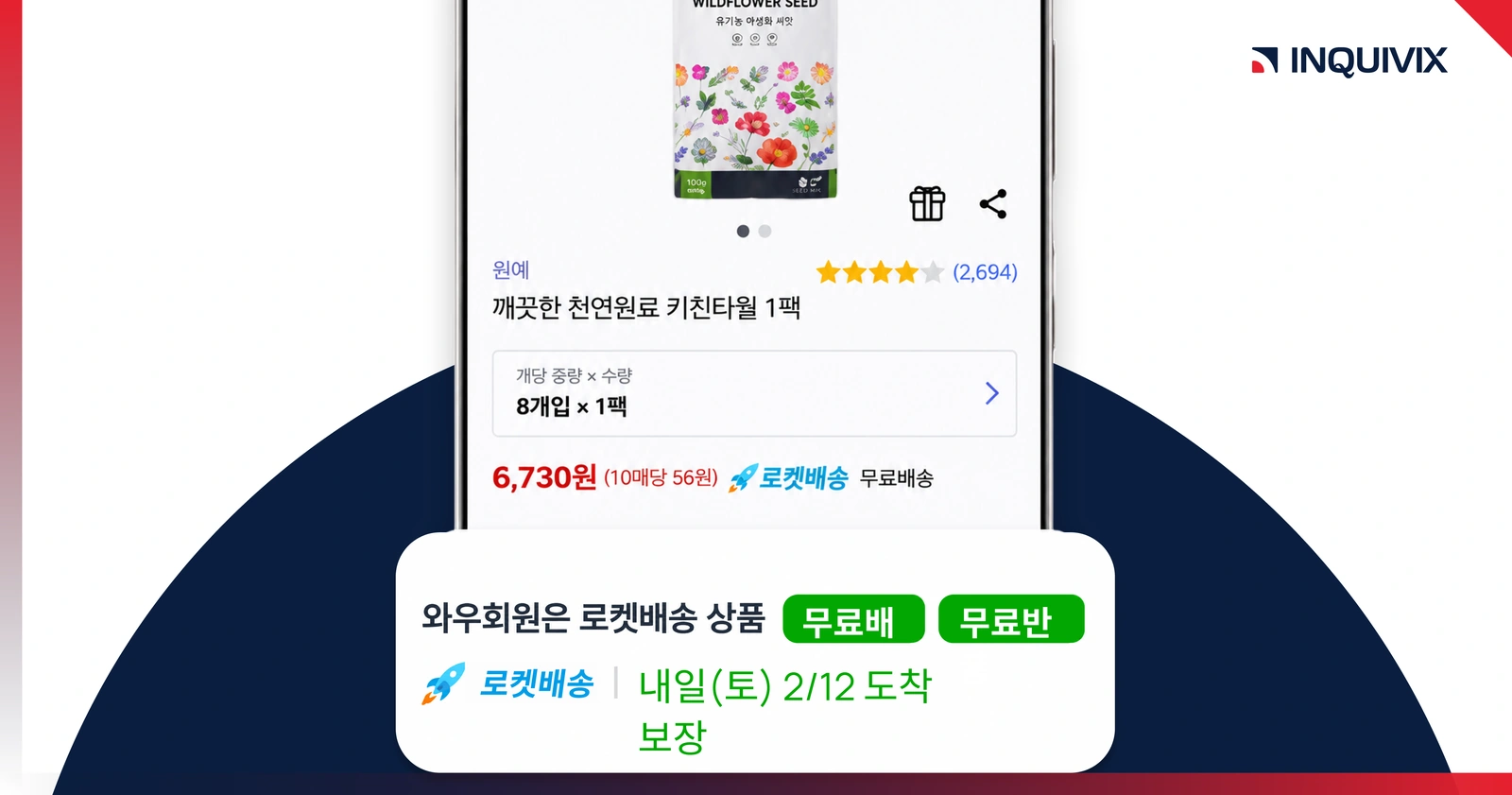
Coupang is Korea’s largest e-commerce platform. It had 34.31 million monthly users in October 2026, roughly 3.6 times as many as the second-ranked app, and it ranks first in every age group. In the Ministry of Science and ICT survey, 53.6% of respondents named Coupang as the e-commerce platform they use most, far ahead of Naver Shopping at 23.6%.
Its advantage is logistics. Rocket Delivery (로켓배송) offers next-day and, in many areas, same-day or early-morning delivery on a very wide range of products. The Wow membership, priced at 7,890 won per month, adds free Rocket Delivery, free returns, Coupang Eats benefits, and the Coupang Play streaming service.
Coupang has also had a difficult year. In November 2025, it disclosed a data breach that exposed the personal information of about 37.5 million people, according to the Personal Information Protection Commission’s June 2026 findings (Coupang initially reported 33.7 million accounts). It announced a compensation package of about 1.69 trillion won in vouchers and faced a National Assembly hearing. In June 2026, the Personal Information Protection Commission (PIPC) imposed a record fine of 624.68 billion won: about 423.6 billion won for the data leak and about 201.1 billion won for separately collecting members’ activity records from other websites and apps without a legal basis. Coupang said it would contest the decision. Membership dipped after the breach, and by November 2026 the company reported that Wow membership had recovered to a record high.
For foreign brands, Coupang works best for products that compete on price, delivery speed, and reviews. It offers scale no other Korean platform can match through its first-party Rocket program, Rocket Growth fulfillment, and an open marketplace. The trade-offs are thin margins, search placement driven by sales velocity and advertising, a Korean-only interface, and reputational and regulatory risk. Many brands now treat Coupang as one channel in a mix rather than their only one.
Naver Shopping (Naver Plus Store)
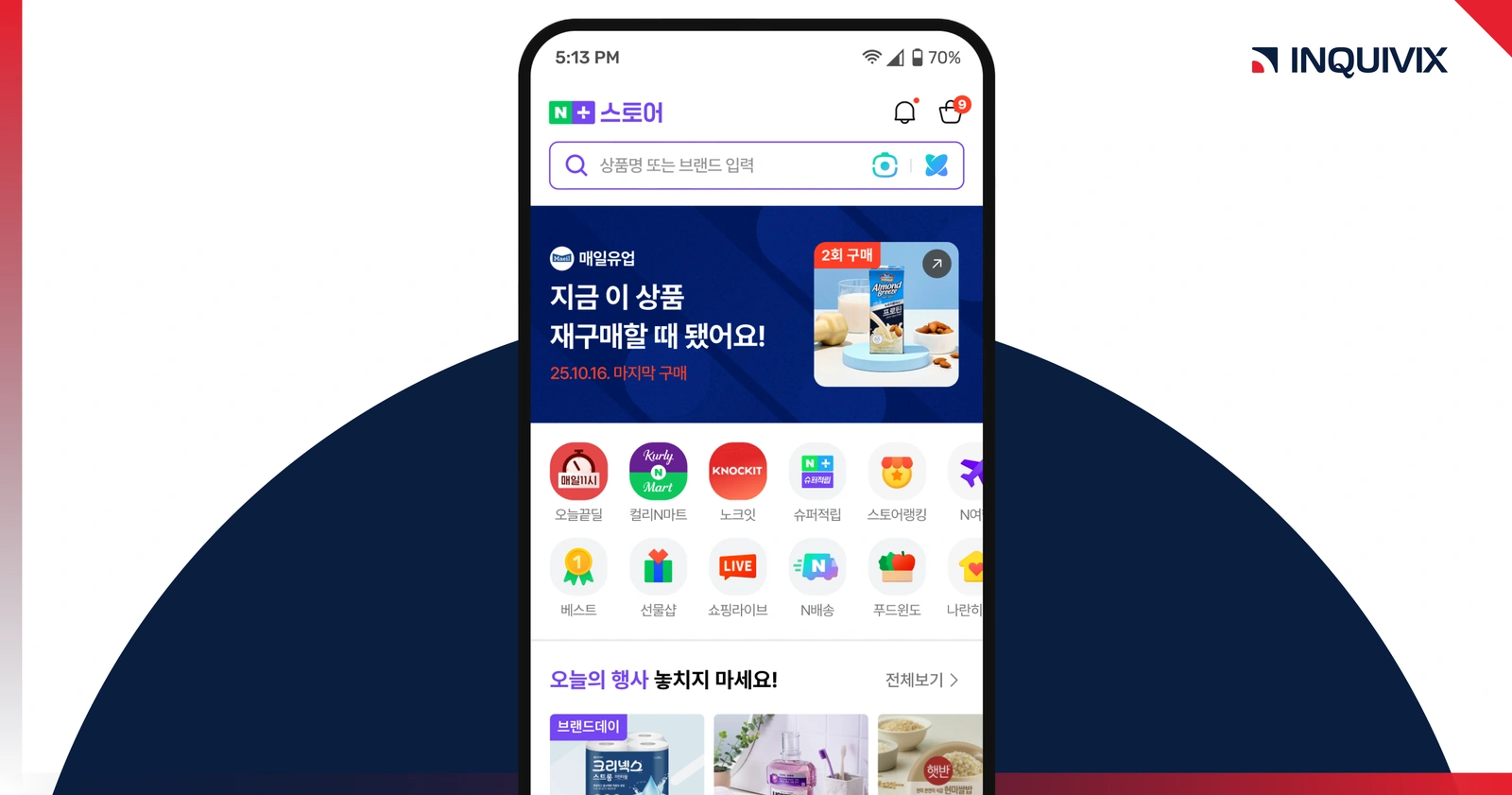
Naver Plus Store (네이버플러스 스토어) is Naver’s dedicated shopping app, launched in March 2025. It brings together products from Naver Smart Store sellers, brand stores, and partner malls, and connects directly to Naver search, Naver Pay, and the Naver Plus membership. In October 2026, it overtook AliExpress for the first time to become Korea’s second most used general shopping app, with monthly users up 15.1% from September after a series of discount promotions.
Naver’s shopping strength comes from search. Korean consumers research products on Naver, read Naver Blog reviews, compare prices, and then buy with Naver Pay, often without leaving the Naver ecosystem. Live commerce adds another discovery channel; see our guide to Naver Shopping Live.
For most foreign brands entering Korea, a Naver Smart Store is the recommended starting point. It is fast to set up, appears in Naver Shopping search results, accepts Naver Pay, and collects reviews that show up across Naver. Our Naver Smart Store guide explains the setup process, and our article on how Korean brands use Smart Store for product launches covers launch tactics.
AliExpress
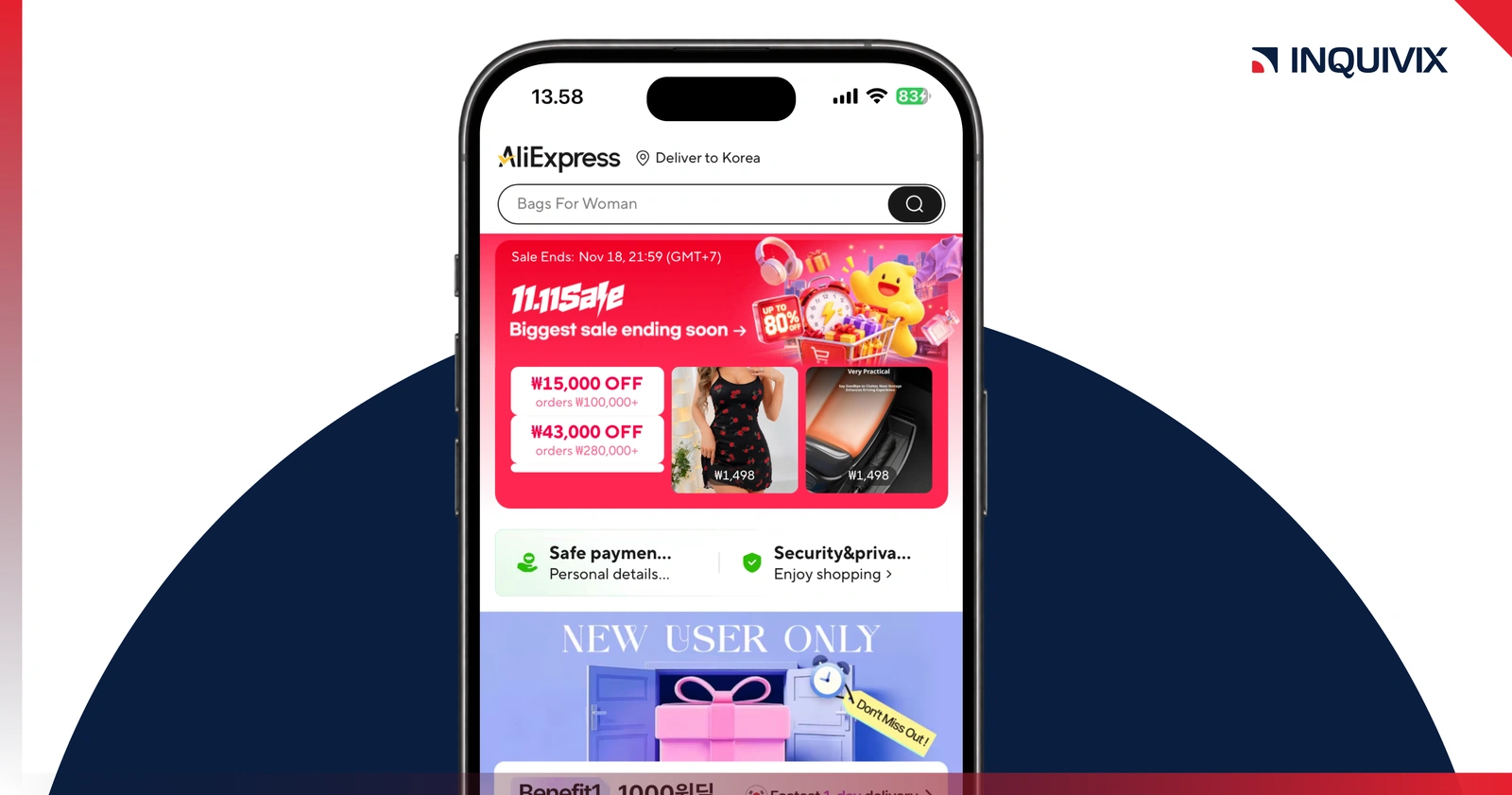
AliExpress is Alibaba’s cross-border marketplace and one of the two Chinese platforms, often called “C-commerce” in Korea, that grew fastest in recent years. It had 9.31 million monthly users in October 2026, just behind Naver Plus Store. In July 2026 age-group data, AliExpress ranked second among shoppers in their teens through their thirties, drawn by very low prices on accessories, household goods, and hobby items.
In September 2025, Korean regulators approved a joint venture between Shinsegae Group and Alibaba Group that placed Gmarket and AliExpress Korea under a single holding company. Both platforms continue to operate independently.
Temu
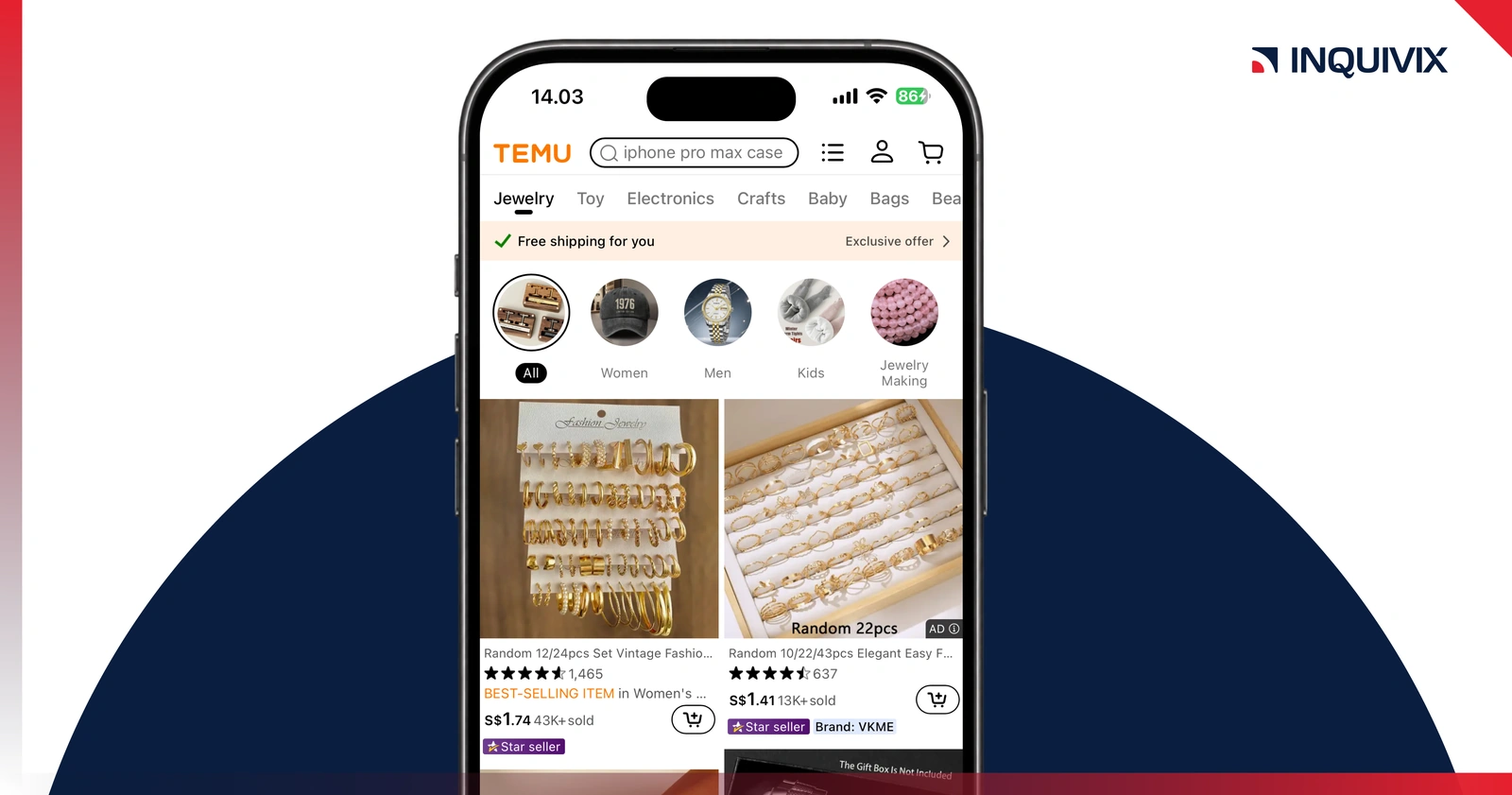
Temu had 8.42 million monthly users in October 2026. Its user base skews older than AliExpress: in July 2026, Temu ranked second among shoppers in their fifties and older. Like AliExpress, it competes almost entirely on price and heavy app promotion, and product quality and safety concerns about cross-border listings have been raised repeatedly by Korean authorities.
For foreign brands, Temu and AliExpress matter less as sales channels and more as competitive context. They have pushed Korean shoppers to compare prices aggressively on commodity products, which makes differentiation through brand, quality, local service, and delivery speed more important.
Gmarket
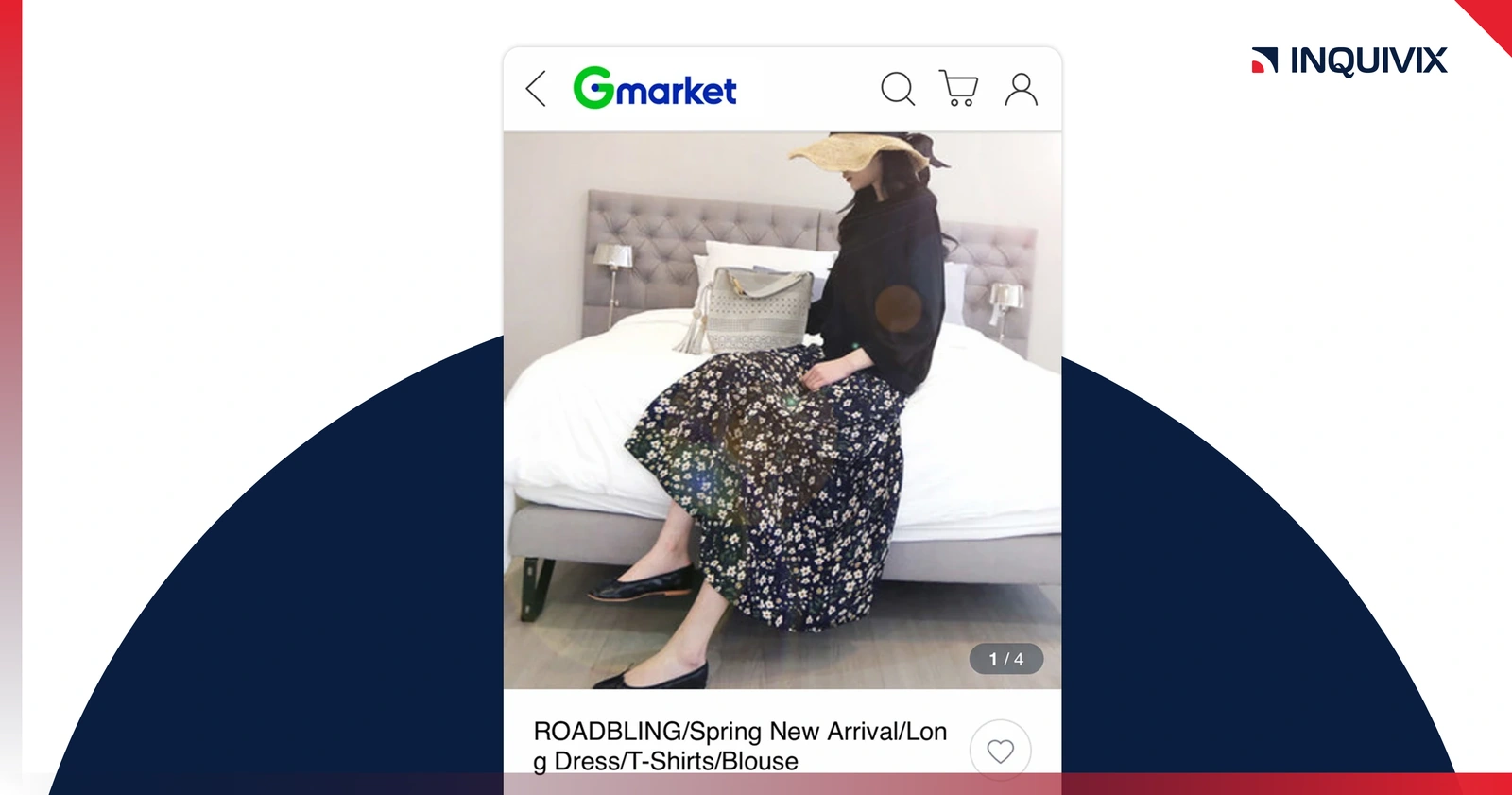
Gmarket is one of Korea’s longest-running open marketplaces, with 6.34 million monthly users in October 2026. It sells across almost every category and runs frequent large-scale sales events and coupon programs. In August 2026 age-group data, it ranked fourth among shoppers in their forties and third among those in their fifties. Under the Shinsegae and Alibaba joint venture, Gmarket also gains a route for Korean sellers to reach overseas buyers through AliExpress’s global network. As with any open marketplace, product quality varies by seller.
11STREET
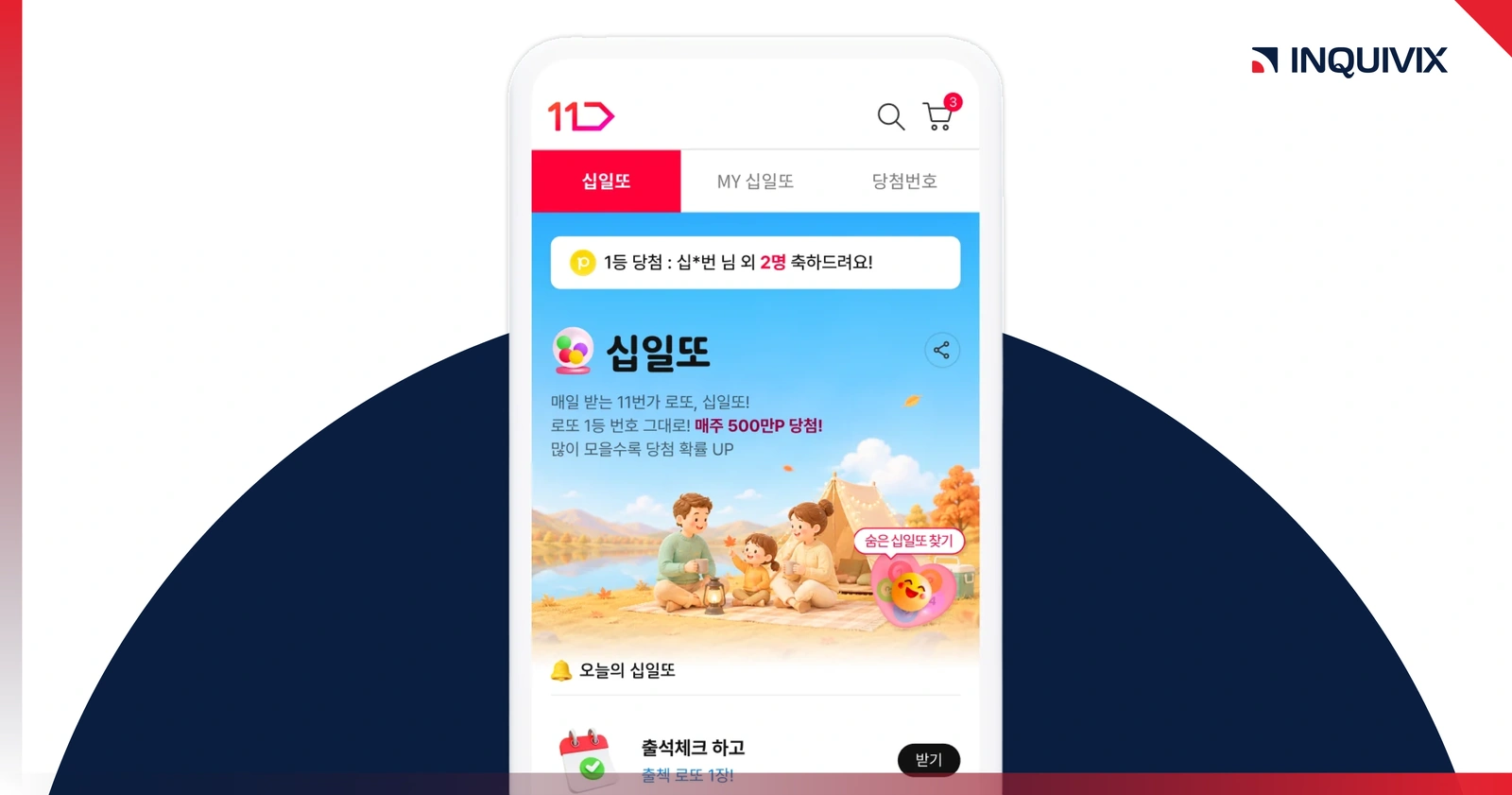
11STREET (11번가) is an open marketplace operated by SK Group, with 6.01 million monthly users in October 2026. It covers fashion, electronics, food, and household goods, rewards shoppers with points and regular coupon events, and in August 2026 ranked third among shoppers aged 60 and above. Like Gmarket, it competes with Coupang on selection and with C-commerce apps on price.
Other Popular South Korean Online Shopping Sites
General marketplaces are only part of Korean e-commerce. In fashion, beauty, groceries, and second-hand goods, category apps often matter more than the big six.
Danggeun Market (Carrot Market)
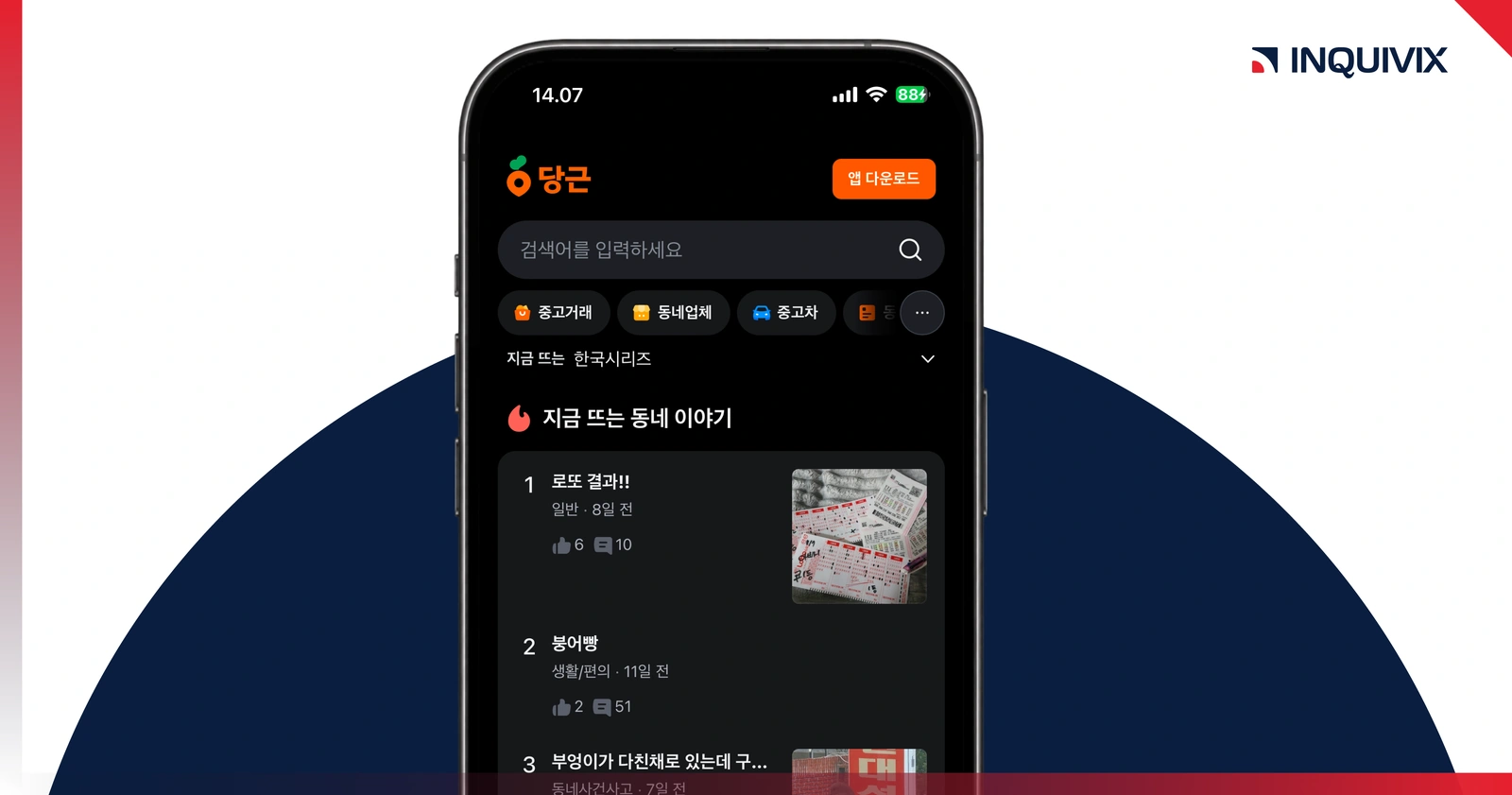
Danggeun (당근, known internationally as Karrot) is Korea’s neighborhood second-hand marketplace and local community app. It averaged 23.19 million monthly users in Q1 2026, second only to Coupang among commerce apps, and 88.3% of respondents in the Ministry of Science and ICT survey named it as their main second-hand trading platform.
Users verify their neighborhood by location, so most transactions happen face to face between people living nearby. Danggeun is also a local advertising channel for cafes, gyms, academies, clinics, and other neighborhood businesses. Our guide to Danggeun Market advertising explains how it works.
Kakao Zigzag and Ably
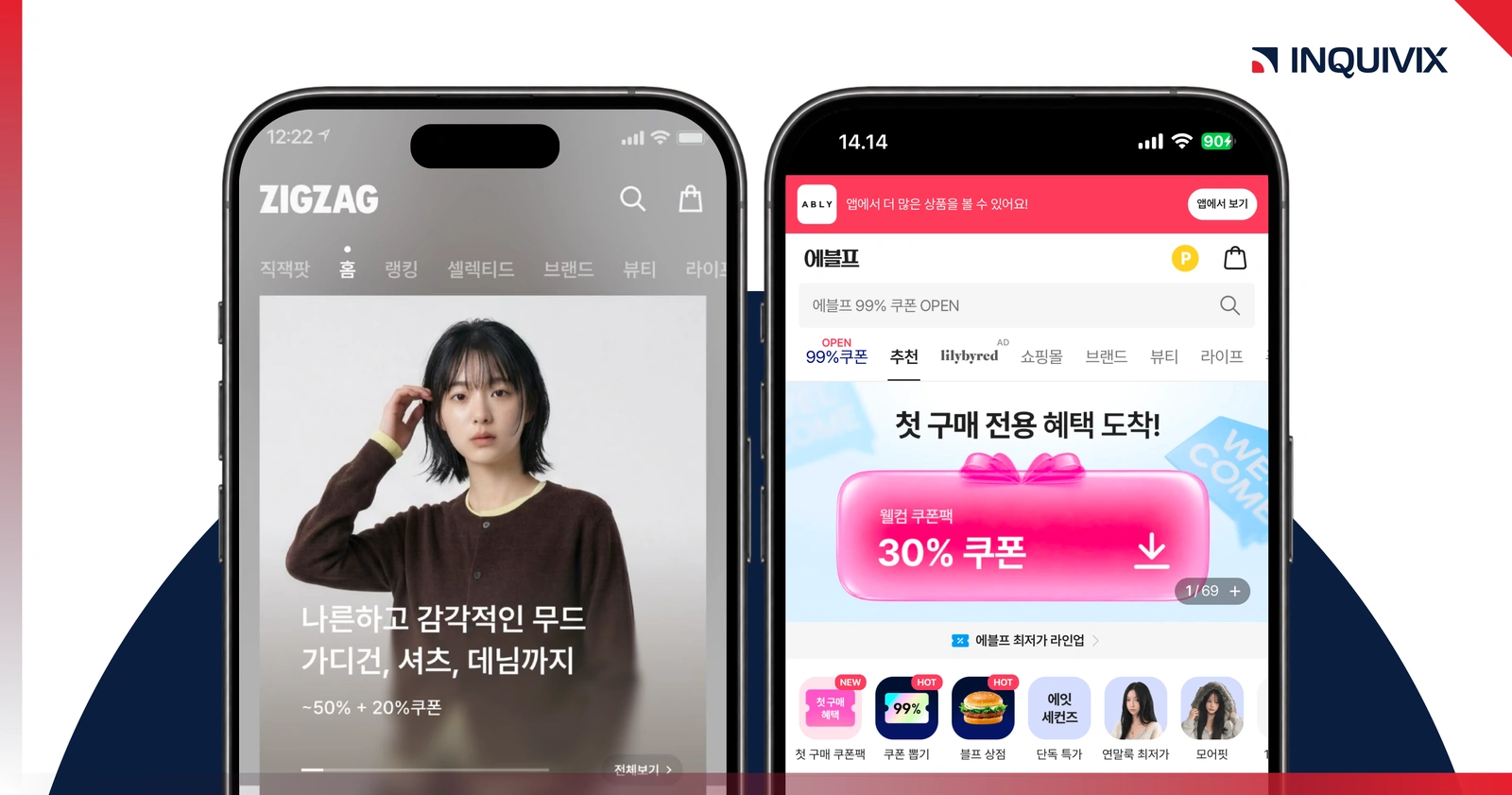
Zigzag and Ably are the leading fashion apps for women in their teens, twenties, and thirties. Ably averaged 9.69 million monthly users in Q1 2026 and Zigzag 4.01 million. Both aggregate thousands of independent online fashion shops and use personalized recommendations to drive discovery. For more on Zigzag, see our Kakao Zigzag guide.
Other Shopping Apps
These category apps are essential to know, depending on what you sell:
- Olive Young: Korea’s leading health and beauty retailer, online and offline. Its app had 10.7 million monthly users in September 2026, the highest September figure on record, according to WiseApp·Retail. A listing here is a major milestone for beauty brands.
- Musinsa: the leading fashion platform for streetwear and Korean designer brands, with 7.41 million monthly users in Q1 2026 and a fast-growing network of offline stores.
- Daiso Mall: the online store of Korea’s low-price variety chain, with 5.16 million monthly users in February 2026, up 42% year over year.
- Kurly: premium grocery delivery known for its early-morning dawn delivery service (샛별배송), with 4.50 million monthly users in February 2026.
- SSG.COM: Shinsegae Group’s online mall, connected to E-Mart and Shinsegae department stores.
One app from earlier versions of this list no longer belongs here. WeMakePrice and its sister platform TMON, both affiliated with Qoo10, stopped paying sellers in July 2024, and a Seoul court declared WeMakePrice bankrupt in November 2025. The episode is a reminder to check a platform’s settlement terms and financial stability before listing products.
Looking To Market Your Products In South Korea?
Choosing the right shopping app is only part of the work. Korean shoppers research products on Naver, compare reviews on Naver Blog and inside the apps, ask questions through KakaoTalk, and pay with Naver Pay, Kakao Pay, or Toss. A brand that lists on Coupang without building visibility on Naver usually struggles to get traffic beyond paid ads.
A typical market entry sequence looks like this:
- Open a Naver Smart Store or brand store to appear in Naver Shopping and accept Naver Pay.
- Build search visibility with Naver Blog content and reviews so your brand shows up when Koreans search for it.
- Add Coupang once you have reviews, pricing, and stock levels that can support Rocket Delivery’s pace.
- Add category platforms such as Olive Young, Musinsa, Zigzag, or Kurly if they match your products.
Our digital marketing in Korea services cover platform selection, localization, and launch marketing across these channels. For payment setup, see our guide to Korean e-commerce payment methods, and for live selling, our live commerce guide.
If you are deciding which Korean shopping platforms to launch on, contact Inquivix for a platform recommendation based on your category, pricing, and budget.