Naver Analytics: Your Essential Guide to Tracking Performance in the Korean Market
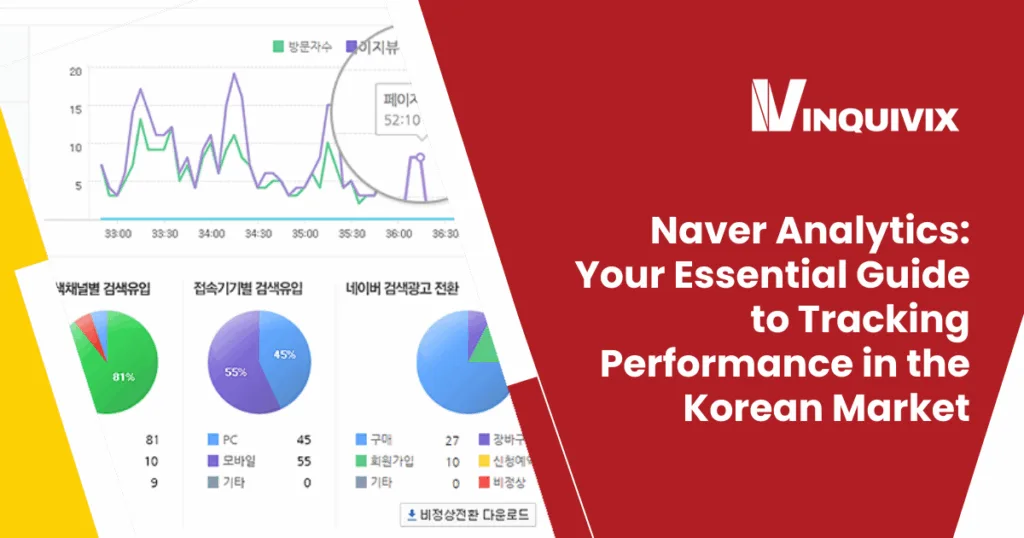
When foreign businesses enter South Korea, they often face a fundamental question: “Where is the Google Analytics for Naver?” It’s a logical question, but it reveals a key difference in how Naver operates. The reality is that there isn’t a single “Naver Analytics” platform.
Instead of a single, all-encompassing tool like Google Analytics, Naver provides a suite of specialized platforms designed to give you data on your performance within its ecosystem. To succeed in the Korean market, you can’t rely on what you already know. You have to master this new set of tools. You can’t manage what you don’t measure, and this guide will show you precisely what to measure on Korea’s dominant search platform.
The Naver Ecosystem: A Different Approach to Data
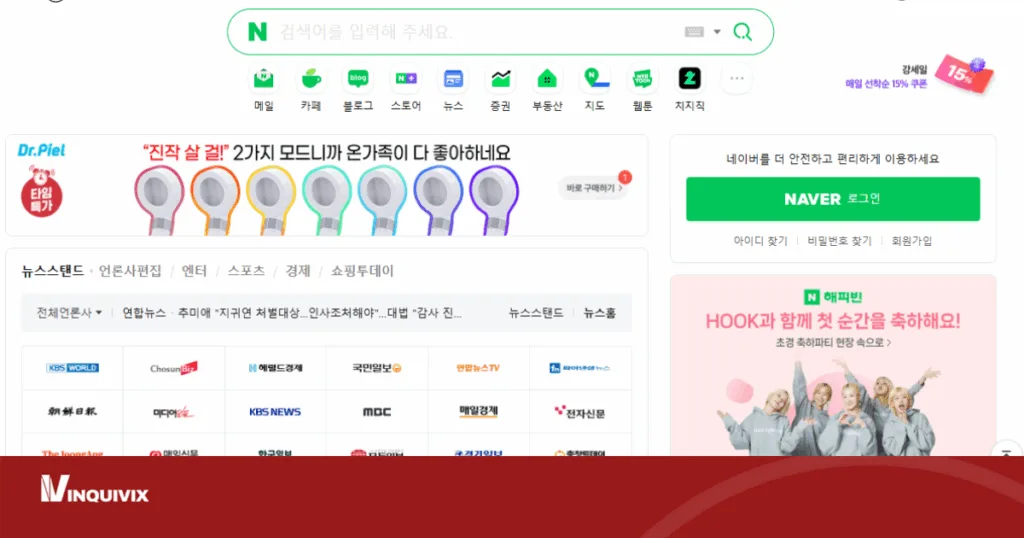
Naver is not just a search engine; it is a comprehensive internet portal that includes everything from search and news to e-commerce (SmartStore) and user-generated content platforms (Blogs, Cafés, Knowledge iN). The key for marketers is that Naver prioritizes content and services from within its ecosystem. This is why a simple link to your external website may not perform as well as content posted directly on a Naver Blog. As of July 2025, Naver continues to hold a dominant market share in the Korean search engine market, at over 50%.
This ecosystem-centric approach is also why Naver’s analytics and data tools are fragmented. You must leverage multiple official Naver platforms to piece together a complete picture of your digital performance in Korea.
Key Naver Analytics Tools You Need to Master
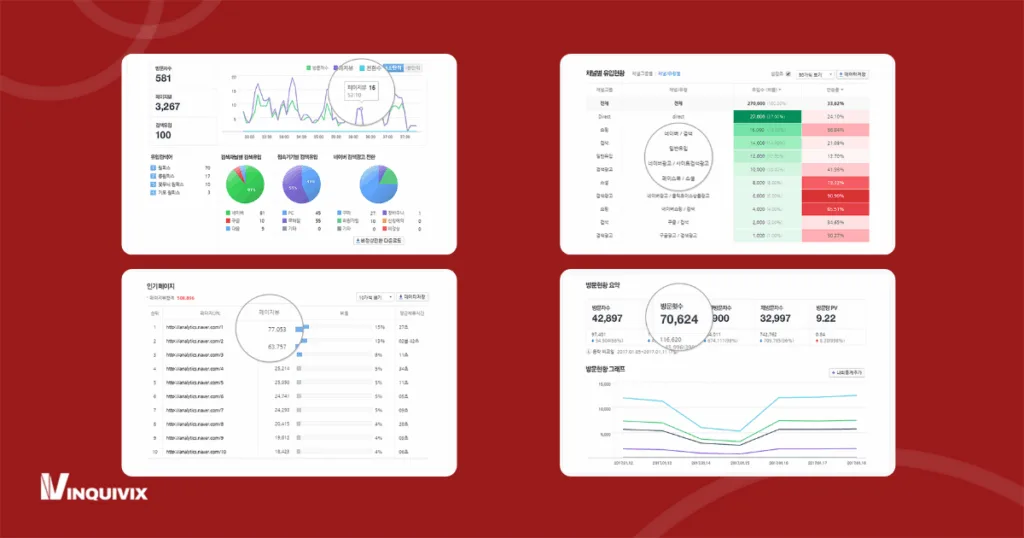
To effectively track your digital presence on Naver, you need to understand the function of each platform and how they work together to provide a holistic view.
Naver Search Advisor (The Google Search Console Equivalent)
Think of Naver Search Advisor as the essential tool for understanding how your website or blog is performing on Naver’s main search results page. It is a fundamental tool for any business with a website targeting the Korean market.
Key Features:
- Site Registration and Verification: This is the critical first step. You must register your website to allow Naver’s crawler, known as Yeti, to discover, crawl, and index your pages. For foreign businesses, this is non-negotiable for organic visibility.
- Crawl and Indexing Status: Monitor whether Naver’s bot is successfully crawling your pages and submitting them to the Naver index. This provides vital technical insights into your site’s health.
- Content Exposure and Clicks: Get a high-level overview of your website’s performance with key metrics like impressions, clicks, and click-through rate (CTR) from Naver search results. This data is available by device, allowing you to optimize for mobile.
- Top Search Queries: A feature similar to Google Search Console, this allows you to view the exact keywords driving traffic to your pages. This is invaluable for refining your content and keyword strategy.
- Site Diagnosis: Naver provides an SEO health score and specific recommendations for technical improvements, from mobile usability to link structure.
Naver Data Lab (Market & Keyword Research)
Naver Data Lab is a powerful, free tool for market intelligence. Unlike other tools focused on your own site’s performance, Data Lab is for understanding the overall market, trending topics, and user behavior.
Key Features:
- Search Trend Analysis: Input up to five keywords to see their search volume trends over time, allowing you to identify seasonal shifts or growing interest in a topic. Naver also integrates payment data from BC Card to offer deeper insights into purchasing intent. This is essential for planning your content calendar.
- Shopping Insight: If you run a Naver SmartStore, this feature is invaluable. It provides insights into popular product categories, keywords, and consumer demographics, enabling you to make informed, data-driven decisions about your e-commerce strategy.
- Keyword Finder: This tool helps you discover related and long-tail keywords based on a primary search term. It is a foundational step for any Naver SEO content strategy.
Naver SmartStore Analytics (E-commerce Performance)
For businesses using Naver’s e-commerce platform, SmartStore, the dedicated analytics dashboard provides all the sales and traffic data you need. It is fully integrated into the platform, providing a detailed view of how your products are performing.
This platform enables you to track visitors, page views, and conversions directly, providing a comprehensive view of your store’s performance within the Naver ecosystem. A key update as of 2024 is Naver’s integration of the AiTEMS recommendation system, which helps power product recommendations and cross-selling opportunities based on user behavior.
Individual Content Platform Analytics
Naver’s user-generated content platforms, particularly Naver Blog, have built-in analytics. These dashboards are less complex than Search Advisor but are crucial for measuring engagement, a key ranking signal for Naver.
Naver Blog Stats: Track metrics like page views, visitor demographics, and even the source of traffic (e.g., from search, direct links, or other Naver properties). This engagement data is essential because Naver’s C-Rank algorithm prioritizes content creators with high authority and user interaction.
How Naver’s Analytics Inform Your SEO Strategy
The key to success is to stop looking for a single source of truth and start connecting the dots. Data from these individual platforms, when combined, gives you the whole picture.
User Intent & Content Strategy
Use Naver Data Lab to identify what your target audience is searching for. With these insights, you can create high-quality content on your Naver Blog. Then, use Naver Search Advisor to see if that content is ranking and attracting traffic. A recent update to Naver’s search has introduced features like “AI Briefing” and “Shortents,” which summarize content and highlight trends. This makes it more critical than ever to create straightforward, high-quality content that aligns with user intent.
Optimizing for C-Rank & P-Rank
Naver’s main ranking algorithms, C-Rank (Creator Rank) and P-Rank (Place Rank), heavily value content with high authority and user engagement. Your Naver Blog stats provide direct insight into this, showing you which posts resonate most with your audience (in terms of views, comments, and shares), helping you build creator authority.
The Full Picture
A successful Naver strategy involves a continuous loop: analyze market trends on Data Lab, create targeted content on a Naver Blog or your external website, monitor its performance on Search Advisor (or SmartStore Analytics for e-commerce), and use the insights to refine your next moves.
The Inquivix Advantage: Navigating Naver’s Complex Data
For foreign businesses, this fragmented approach to data can be overwhelming. The language barrier, differing SEO principles, and the need to manage multiple platforms make it challenging to gain a clear understanding of what works and what doesn’t.
This is where Inquivix comes in. We do not simply provide reports; we offer a comprehensive understanding of what the data means within the context of the Korean market. Our team of native experts connects the data points from each Naver tool to create a clear, actionable strategy that drives real business results. We help you transform fragmented data into a cohesive, high-performing digital marketing plan.
Ready to Turn Naver Data into Korean Market Dominance?
Stop guessing and start measuring. Our team will guide you through Naver’s analytics landscape, providing the expertise needed to scale your business in South Korea.